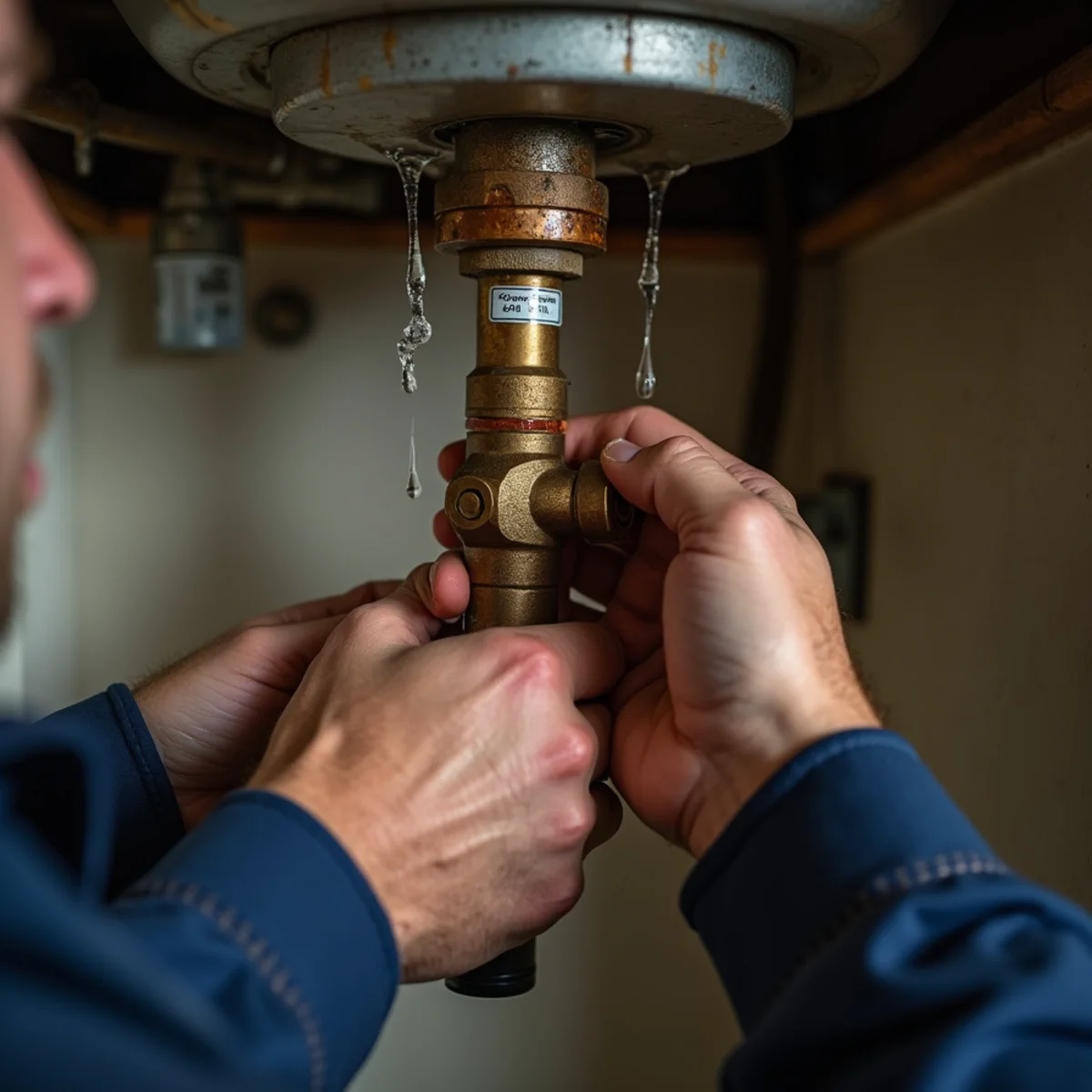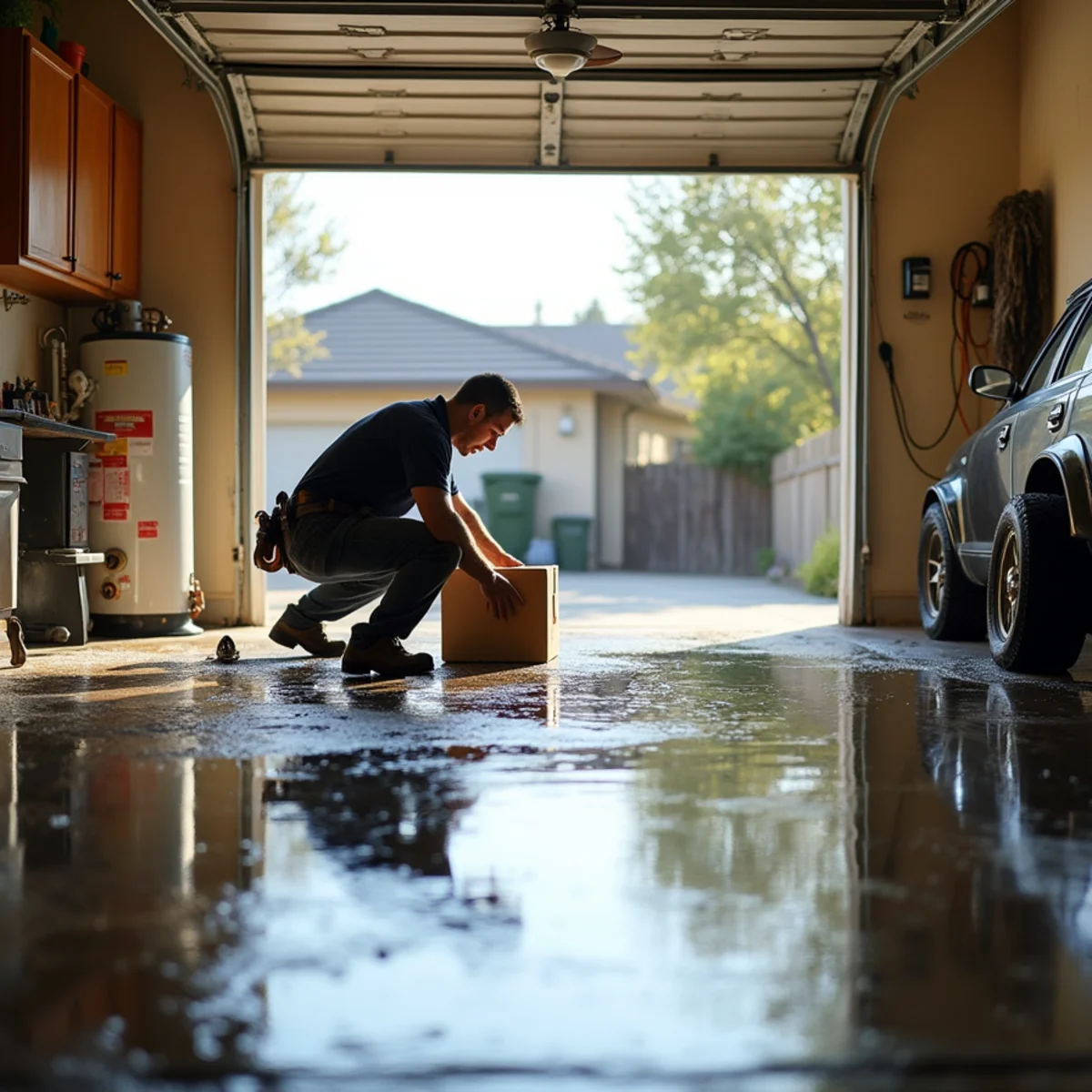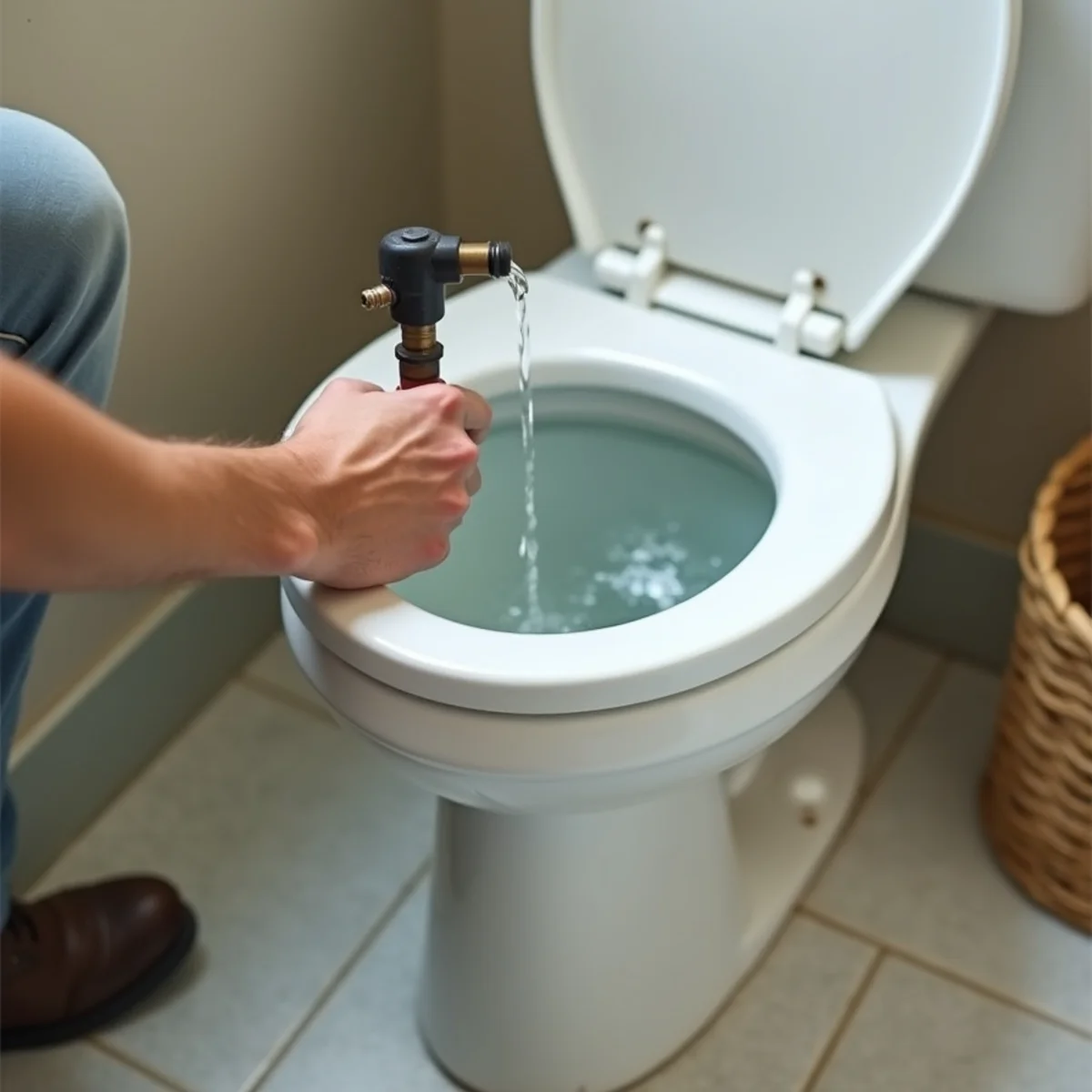


Rocklin's 1990s and 2000s tract homes were built in a rush, and their original copper, water heaters, and slab plumbing are now failing on the same schedule. Here is what to expect.
Rocklin Built Thousands of Homes at Once — Now They Age at Once
Drive through Rocklin Ranch, Stanford Ranch, or Whitney Ranch and you notice something: the houses are all roughly the same age. Rocklin grew explosively during the 1990s and 2000s, adding tract after tract of slab-on-grade homes on former ranch and quarry land. The city's population climbed toward the roughly 72,000 counted in the 2020 census, and most of that housing stock went up in a compressed window.
That shared birthday is now catching up with the plumbing. A home built in 1998 is nearing 30 years old. The copper supply lines, the original water heater, and the pipes buried in the slab were all installed around the same time, and they wear out on a similar schedule. What looks like bad luck — a neighbor's slab leak, then yours — is really a neighborhood-wide clock running down.
We see it in the pattern of our calls. When a subdivision reaches its late twenties, the water losses cluster. Understanding why helps you get ahead of it instead of waiting for the warm spot on the floor.
The Building Booms That Shaped Modern Rocklin
Rocklin's modern footprint is largely a product of a few eras of tract development. Stanford Ranch filled in through the late 1980s and 1990s. Rocklin Ranch and the neighborhoods around it followed. Whitney Ranch, one of the last big master-planned communities, came online in the 2000s and 2010s. Each brought hundreds of similar homes built to the code and materials of its day.
The construction methods were consistent within each tract. Builders used the same plumbing crews, the same copper, the same water heater models, and the same slab-on-grade foundation approach across street after street. That consistency is why failures arrive in waves rather than as one-offs.
If you bought in one of these neighborhoods, your home's original systems are the same vintage as everyone else's on the block. The upside is that it makes the risks predictable.
Why 25 to 30 Years Is the Failure Window
Three original systems tend to fail first, and all three land in roughly the same window. Water heaters have a typical service life of 8 to 12 years, so a first-cycle home may already be on its second or third — and a neglected one is overdue. Copper supply lines can last decades, but pinhole corrosion often shows up at 20 to 30 years, especially in our water. Slab plumbing follows the copper.
The reason the window is real is that materials degrade with use, not just age. Every pressure cycle, every hot-cold swing, every gallon of hard Sacramento Valley water moving through the pipe adds wear. A home that sat empty would age differently than one that raised a family, but most Rocklin tract homes have been lived in hard.
None of this means a first-cycle home is a bad home. It means the home has reached a normal, predictable stage where original components start to give out. The owners who plan for it fare far better than the ones caught off guard.
Slab Leaks: The First-Cycle Failure That Hides the Longest
Most Rocklin tract homes are slab-on-grade — the copper supply lines run through or beneath the concrete foundation. When one of those buried lines develops a pinhole, the water has nowhere obvious to go. It can run for weeks under the slab, wicking up into flooring and framing, before you notice a warm spot, hear running water, or open a water bill that makes no sense.
Because the pipe is encased in concrete, a slab leak is not something you catch early by looking. You catch it by knowing the signs and acting on them. By the time the damage surfaces, the leak has usually been running long enough to feed mold and soak the subfloor. That is why slab leak water damage work so often involves drying and rebuilding, not just a plumbing fix.
We locate these leaks without tearing up the whole floor, then dry and restore whatever the water reached. Catching a slab leak in its first weeks is a small, targeted job. Catching it months later is a large one.
What to Watch For in a First-Cycle Home
Watching for trouble in a first-cycle home is not about paranoia; it is about knowing which few things to keep an eye on. The original systems most likely to fail are the ones you rarely think about — the water heater in the garage, the copper feeding your fixtures, and the supply lines buried in the slab. A few minutes of attention each season is usually enough to catch a problem while it is still cheap to fix.
You cannot see the copper in your slab, but the house gives off signals when something is starting to fail. A short mental checklist keeps you ahead of it:
- A water heater older than 10 years, or one you have never replaced
- Warm or damp spots on the floor, especially over the slab
- The sound of running water when every fixture is off
- A water bill that climbed with no change in habits
- Greenish or bluish staining at exposed copper joints, a hard-water corrosion sign
- Low water pressure that developed gradually
What a First-Cycle Home Means When You Buy or Sell in Rocklin
The first-repair cycle is not only a maintenance issue; it shows up at the closing table. A 1998 Rocklin tract home can show beautifully after a cosmetic remodel, but the copper in the slab, the water heater in the garage, and the supply lines in the walls are all the original vintage no matter how new the kitchen looks. A standard home inspection walks the visible plumbing, but it cannot see the copper buried in the foundation, so the slab leak risk rarely appears on the report.
For a buyer, that means budgeting for the systems you cannot see, not just the finishes you can. For a seller, a slab leak that surfaces mid-escrow can stall a sale and force a disclosure. Either way, knowing your home sits in the first-repair window lets you plan the replacements on your own terms rather than discovering them through a warm spot on the floor a week after moving in.
Get Ahead of the First Repair Cycle in Rocklin Ranch and Beyond
If you own one of Rocklin's 1990s or 2000s tract homes — in Rocklin Ranch, Stanford Ranch, Whitney Ranch, or anywhere across the city — the plumbing that came with it is reaching the age where sudden water losses become common. Knowing that is half the battle.
When a slab leak or a failed line does let go, the damage moves fast, and the response has to be faster. We know these neighborhoods and the failures built into their vintage. Call (201) 277-9344 anytime for slab leak water damage help, and we will locate the source, dry the structure, and restore what the water reached.
Need help right now in Rocklin? Our line is open 24/7.
(201) 277-9344Frequently asked
Slab leaks often appear as original copper reaches 20 to 30 years. Homes built in Rocklin's 1990s and 2000s tract booms are now squarely in that window, which is why the calls cluster by neighborhood.
Largely yes. Tract homes were built with the same materials and crews, so original plumbing tends to fail on a similar schedule street to street. A neighbor's slab leak is a fair warning about your own vintage pipes.
Often a warm spot on the floor, the sound of running water with everything off, or an unexplained spike in your water bill. Call (201) 277-9344 if you notice any of these and we will locate the source.
Not necessarily all at once, but planning ahead beats reacting. If your Rocklin home is a 1990s or 2000s tract build and you have already had one pinhole or slab leak, the rest of the same-age copper is working under the same hard water and is worth watching closely. A licensed plumber can advise on partial or full repiping based on what they find.
Not automatically. A single slab leak can often be repaired or rerouted on its own. But because tract-home copper is all the same age and runs through the same corrosive Sacramento Valley water, one leak is a fair warning that others may follow. Call (201) 277-9344 if a slab leak has caused water damage and we will dry and restore what it reached.
Related help from our team
Restoration Rocklin CA
IICRC-Certified Water Damage Restoration Team
We're a locally based, IICRC-certified water damage restoration team serving Rocklin and Placer County 24/7. Questions about your situation? Call (201) 277-9344.