
An overflowing toilet can be a quick fix or a real health hazard. Learn how to stop it fast and how to tell when it is a sewage emergency.
Stop the Water Before It Spreads
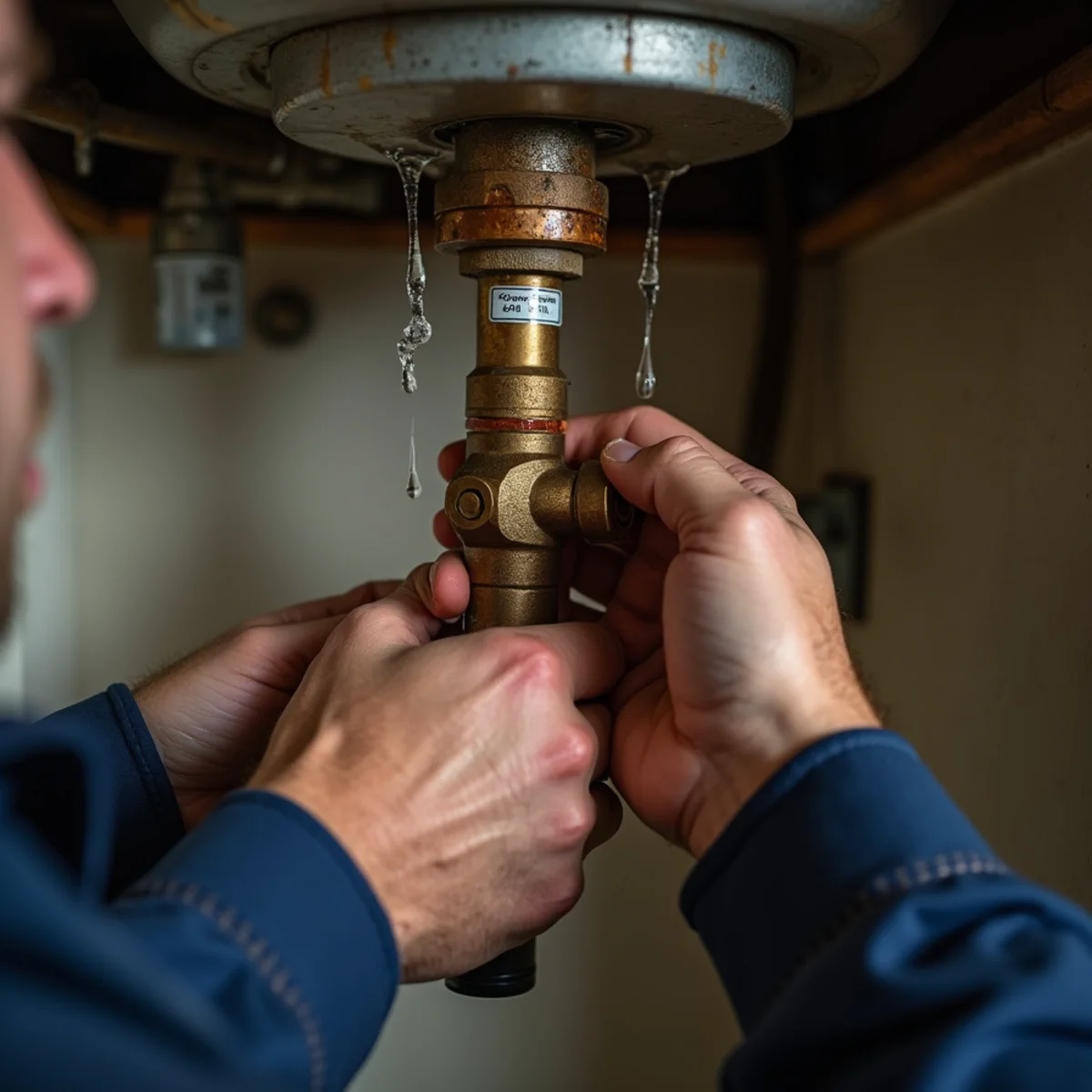
An overflowing toilet climbs the bowl fast, and the instinct to reach for a plunger wastes the seconds that matter. Stop the water first. Take the lid off the tank and push the flapper — the rubber seal at the bottom — down with your hand to close it. That stops water from leaving the tank.
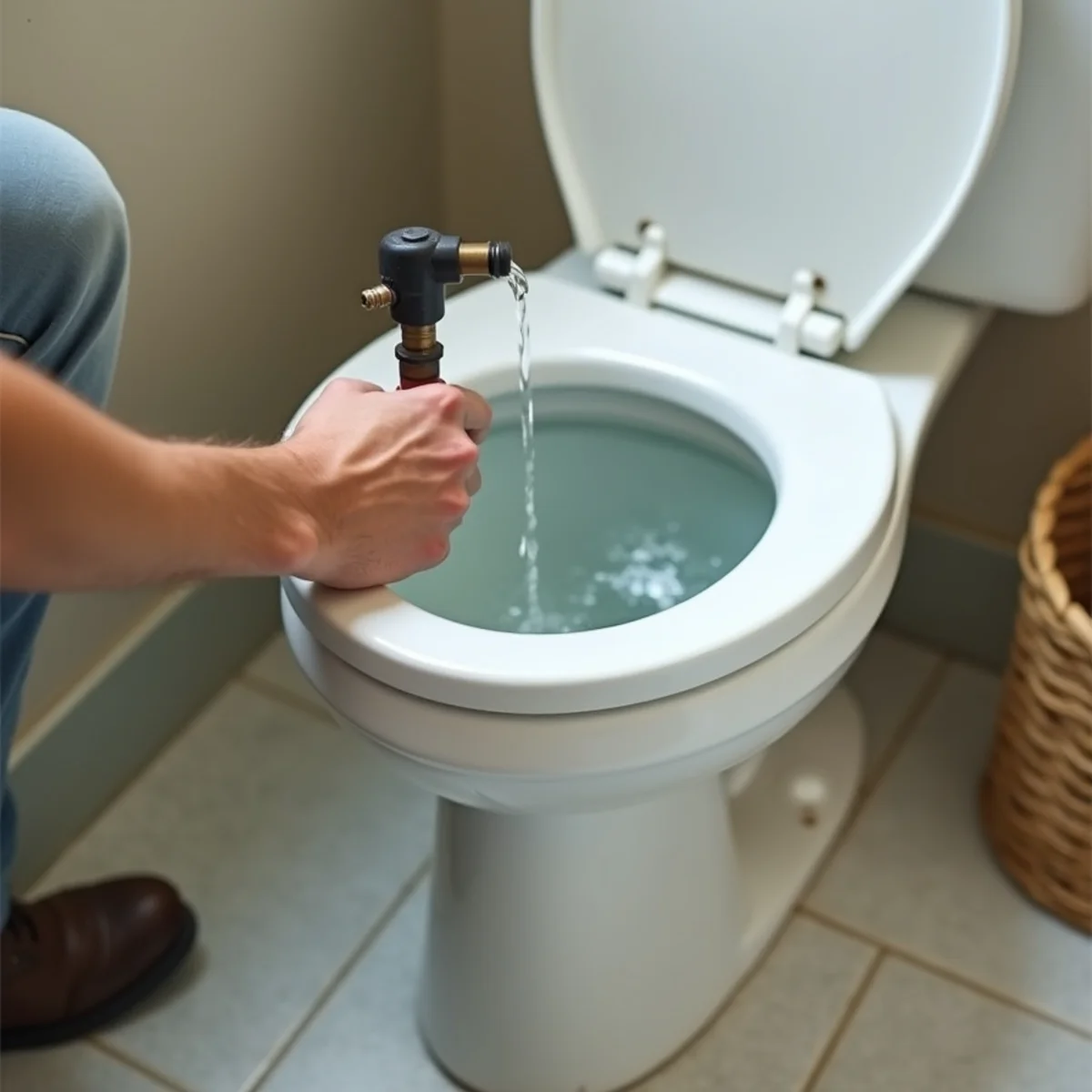
Next, reach behind the base of the toilet and turn the shutoff valve clockwise until it stops. That cuts the water supply entirely. If the valve is stuck or missing, lift the float in the tank to stop it refilling while you work.
With the water stopped, you can deal with the clog and the cleanup calmly. If the water that came up is clean tank water, this is a manageable spill. If it is dirty or came up from the drain, read the next section carefully before you touch it. The difference is not cosmetic. Clean tank water is a nuisance; water that rose from the drain is a contamination question that changes how you clean, what you can save, and whether you should be in the room at all. Take the extra few seconds to figure out which one you are looking at before you commit to a mop.
- Lift the tank lid and press the flapper down to seal it
- Turn the shutoff valve behind the toilet clockwise
- No valve? Lift the float to stop the tank refilling
- Only then reach for the plunger to clear the clog
Is It Clean Water or Sewage?
This is the question that changes everything. Water that overflows from the tank side — the back of the toilet — is clean and low risk. Water that backs up out of the bowl, especially if it is discolored or carries waste, is Category 3 black water and a genuine health hazard.
There is a bigger warning sign to watch for. If flushing the toilet makes other drains gurgle, or if sewage backs up when you run the washing machine or shower, the clog is not in the toilet at all. It is in your main sewer line, and the backup will keep coming.
Black water carries bacteria, viruses, and parasites. Do not mop it up with household rags and cleaner. Keep kids and pets out of the room, and call for professional sewage cleanup.
Clean Overflow: Safe Steps You Can Take
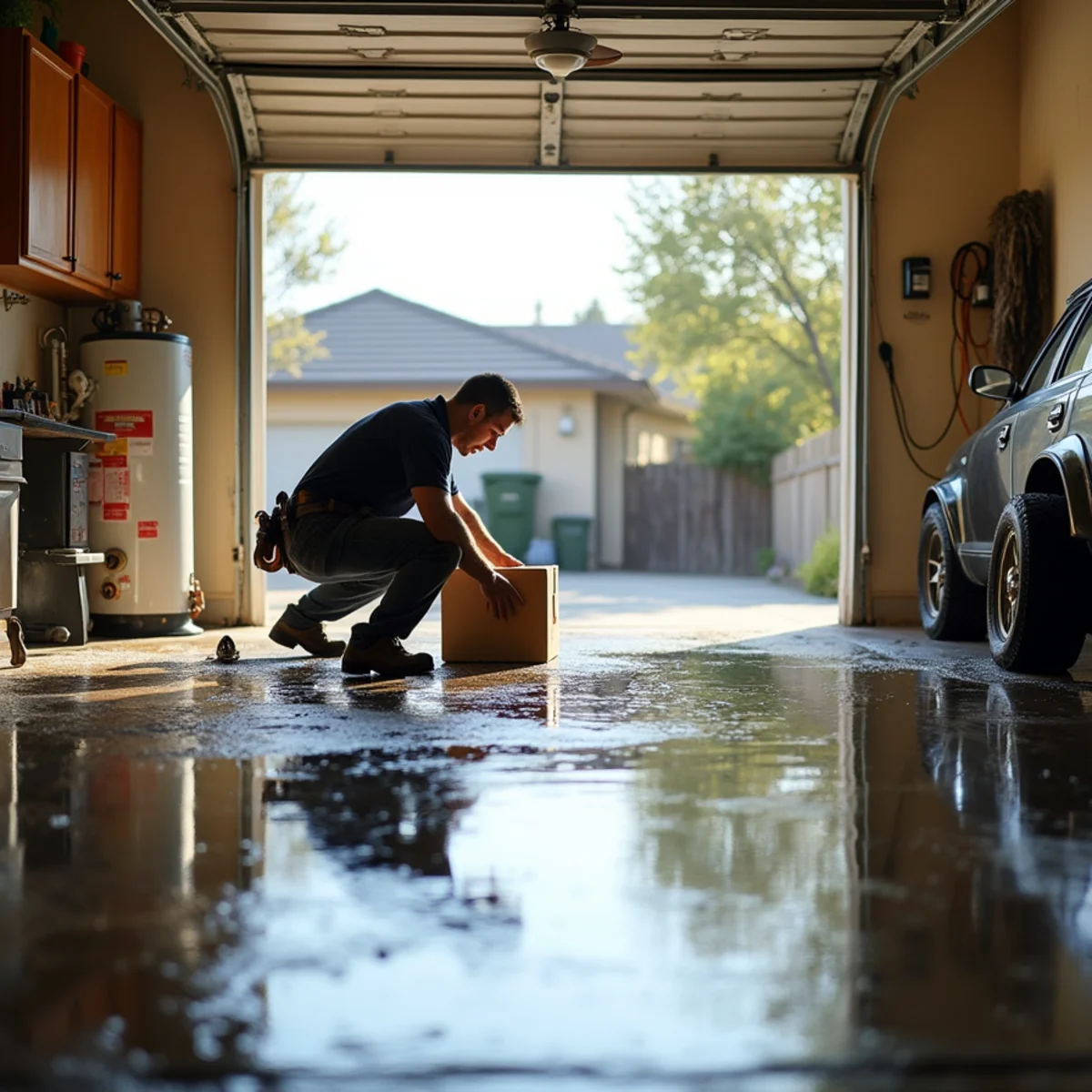
If it is clean water and the source is stopped, act quickly to keep it from soaking into the subfloor and the room below. Sop up standing water with towels, then ventilate the room and keep air moving.
Pay attention to where the water went. Bathroom water travels under the vanity, under the flooring, and through the floor to the ceiling below — a common path in two-story Sunset Whitney homes. Check the ceiling under the bathroom for any staining or sagging.
Even clean overflows can leave hidden moisture in the subfloor and wall base. If the spill was large or reached other rooms, have it checked with a moisture meter so nothing stays wet behind the scenes.
When It Is a Sewage Emergency, Step Back
The moment you are dealing with sewage — waste in the water, a main-line backup, multiple drains failing — stop trying to clean it yourself. Contaminated water requires containment, protective equipment, and EPA-registered disinfectants to make the space safe again.
Turn off the water to the affected fixtures, keep everyone out of the area, and do not run any water in the house until the line is cleared. Running the dishwasher or another toilet only pushes more contamination up through the backup.
Our crews handle Category 3 losses to the IICRC standard: remove the contamination and any porous materials it soaked, disinfect every surface, and kill the odor at its source. That is not a job to improvise.
Why the Same Toilet Keeps Backing Up
If a toilet overflows more than once, the clog is telling you something. A single overflow is usually a blockage in the toilet trap — too much paper, a flushed wipe, a child's toy. Those clear with a plunger or a closet auger and do not come back.
Repeat backups point deeper into the system. A partial blockage in the branch drain, or roots and buildup in the main sewer line, will keep catching waste and backing up no matter how many times you plunge. If the problem recurs, or more than one fixture is affected at once, the line itself needs attention.
In Rocklin's established neighborhoods, mature tree roots invading the sewer lateral are a common culprit. Snaking the line clears it for a while, but a compromised lateral keeps failing until it is repaired. Chasing the same overflow every few weeks costs more than fixing the cause once.
What You Should Never Flush — and Why Wipes Are the Worst
Most single-fixture overflows start with something that should never have gone down the bowl. So-called flushable wipes are the biggest offender: they do not break down like toilet paper, and they snag on any rough spot in the line and catch everything behind them. Paper towels, feminine products, dental floss, cotton swabs, and grease poured down a kitchen sink all build the same kind of blockage.
This matters more in Rocklin's established neighborhoods, where mature tree roots have already narrowed the sewer lateral. A line that is half-choked with roots has little tolerance for a wad of wipes, and that is often the moment a slow drain becomes a backup. Keeping non-flushables out of the system is the cheapest backup prevention there is, and it is entirely in your control.
- Flushable wipes, even the ones labeled flushable
- Paper towels, tissues, and feminine products
- Cotton swabs, dental floss, and hair
- Grease and cooking oil poured down any drain
Get Help Now
A clean overflow you can often handle yourself. A sewage backup you should not. If you see waste in the water, smell sewage, or watch multiple drains back up at once, treat it as a health emergency and call us.
We provide fast, hazmat-certified sewage cleanup across Rocklin, with a 60-minute response. Call (201) 277-9344 and we will make the space safe, sanitized, and dry — and help you understand whether a sewer backup endorsement on your policy covers the loss.
Need help right now in Rocklin? Our line is open 24/7.
(201) 277-9344Frequently asked
Take the tank lid off and press the flapper down to stop water leaving the tank, then turn the shutoff valve behind the toilet clockwise. Once the water is stopped, you can clear the clog. For a sewage backup, call (201) 277-9344.
When the water carries waste, smells foul, or backs up from the drain — especially if other drains gurgle or fail at the same time. That points to a main-line backup of Category 3 black water, which needs professional cleanup.
No. Sewage carries bacteria, viruses, and parasites and soaks into porous materials that must be removed. It requires containment, protective gear, and hospital-grade disinfection. Keep people and pets away and call a certified crew.
No. Despite the label, flushable wipes do not break down the way toilet paper does. They snag in the line, catch other debris, and are one of the most common causes of both toilet and main-line backups. Throw them in the trash, not the bowl.
If the water was clean tank water and the spill was small, you can often handle it yourself. But bathroom water slips under the vanity, under the flooring, and down to the ceiling below, and that hidden moisture feeds mold within a day or two. If the spill was large or reached other rooms, call (201) 277-9344 for a quick moisture check.
Related help from our team
Restoration Rocklin CA
IICRC-Certified Water Damage Restoration Team
We're a locally based, IICRC-certified water damage restoration team serving Rocklin and Placer County 24/7. Questions about your situation? Call (201) 277-9344.