
A burst pipe can dump hundreds of gallons in minutes. Here is exactly what to do in the first hour to stop the water and limit the damage.
Move Fast — The First Hour Decides the Damage
A burst pipe is loud, sudden, and frightening. Water sprays across a room or pours through a ceiling, and it does not stop on its own. A half-inch supply line can push out hundreds of gallons an hour, so the difference between a minor repair and a five-figure loss is measured in minutes.
The good news: the first hour is almost entirely in your hands. You do not need tools or plumbing experience. You need to stop the water, protect yourself from electrical risk, and start moving belongings out of the way. Do those three things and you have already cut the damage dramatically.
Work through the steps below in order. When the water is off, call us at (201) 277-9344 and we will walk you through the rest while a crew is on the way to your Rocklin home.
Shut Off the Water Right Now
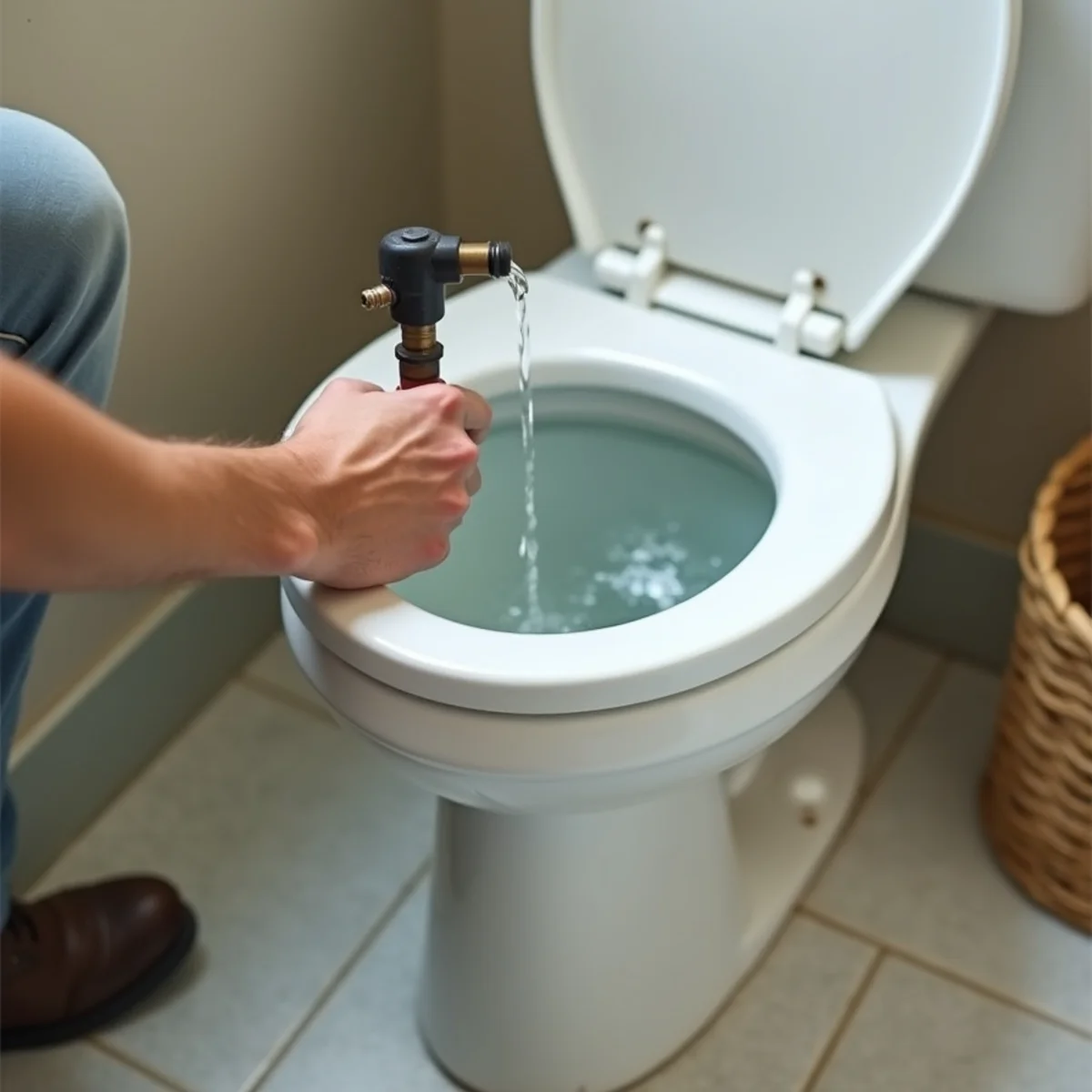
Your first job is to stop the flow. If you can see the broken pipe and there is a small shutoff valve nearby — under a sink, behind a toilet, at the water heater — turn it clockwise until it stops. That isolates the fixture without touching the rest of the house.
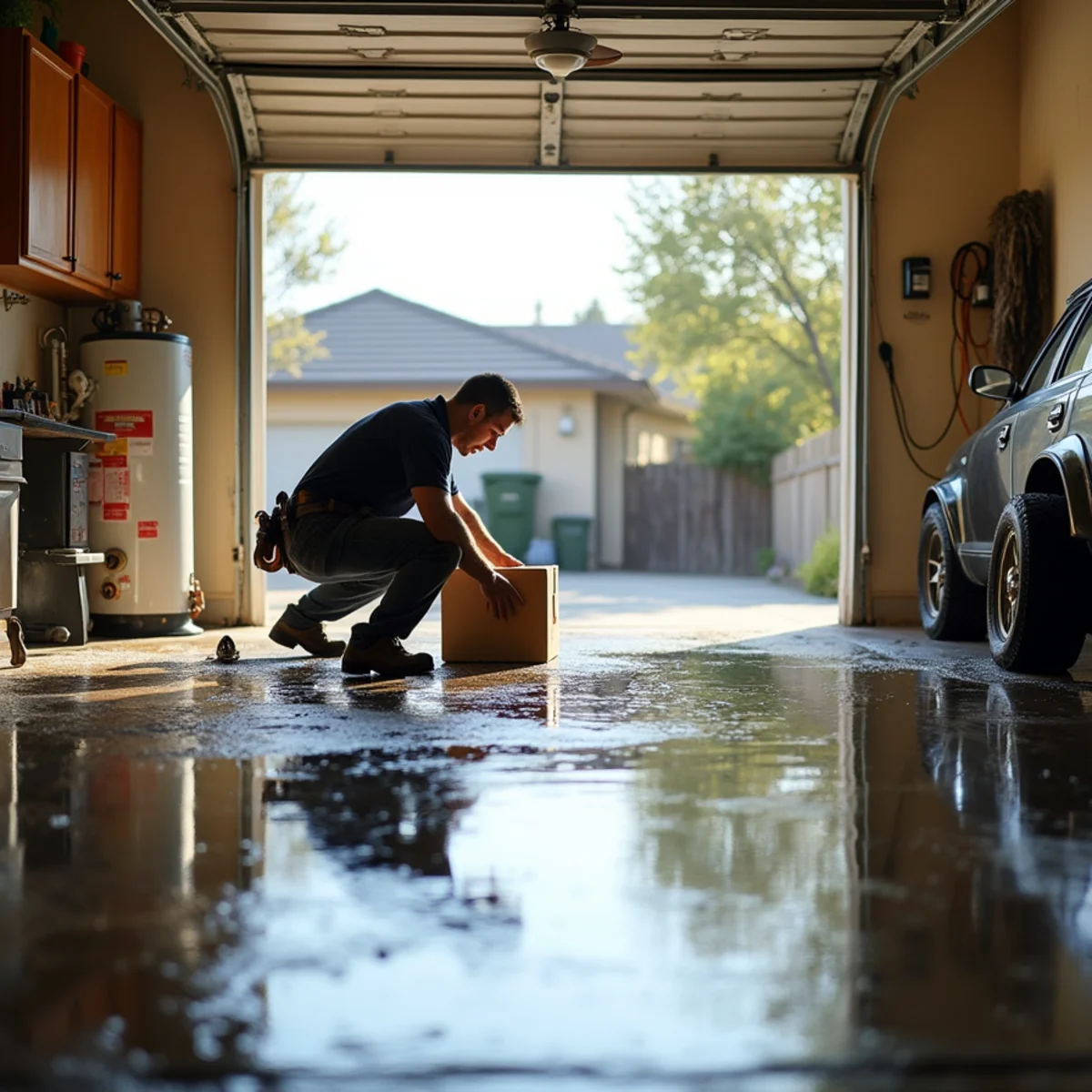
If you cannot find a local valve, or the leak is inside a wall, go straight to the main shutoff. In most Rocklin homes it is in the garage, on an exterior wall, or in a box near the front curb. Turn it fully clockwise. When it is off, open the lowest faucet in the house to drain the remaining pressure out of the lines.
Do not stop to diagnose which valve failed while water is running — that is a question for after the flooding stops. Right now the only goal is to get water out of the equation by any means available, whether that is a single fixture valve, the home's main shutoff, or the street shutoff at the curb if the interior valve will not cooperate. Any one of them ends the flow.
- Find the nearest fixture valve and turn it clockwise to close it
- No local valve? Shut the main water valve for the whole house
- Open a low faucet to bleed pressure out of the pipes
- If your water heater feeds the leak, shut its supply too
Kill the Power and Protect What You Can
Water and electricity are a dangerous mix. If water is near outlets, light fixtures, or your electrical panel, do not stand in it to reach a switch. If you can get to the breaker panel safely and without stepping into water, shut off power to the affected area.
Once you are safe, start protecting belongings. Move electronics, furniture, rugs, and anything with value up and out of the wet zone. Lift the skirts of upholstered furniture off wet carpet, or slide foil or wood blocks under the legs so the finish does not bleed into the carpet.
Do not use a household vacuum to suck up the water and do not plug anything in near the wet area. Save the real extraction for equipment built to do it safely.
Document Everything Before You Clean
Before you mop or move much, take photos and video. Your insurance claim will go faster and smoother if you capture the damage while it is fresh — the standing water, the source, the soaked drywall, and the affected belongings.
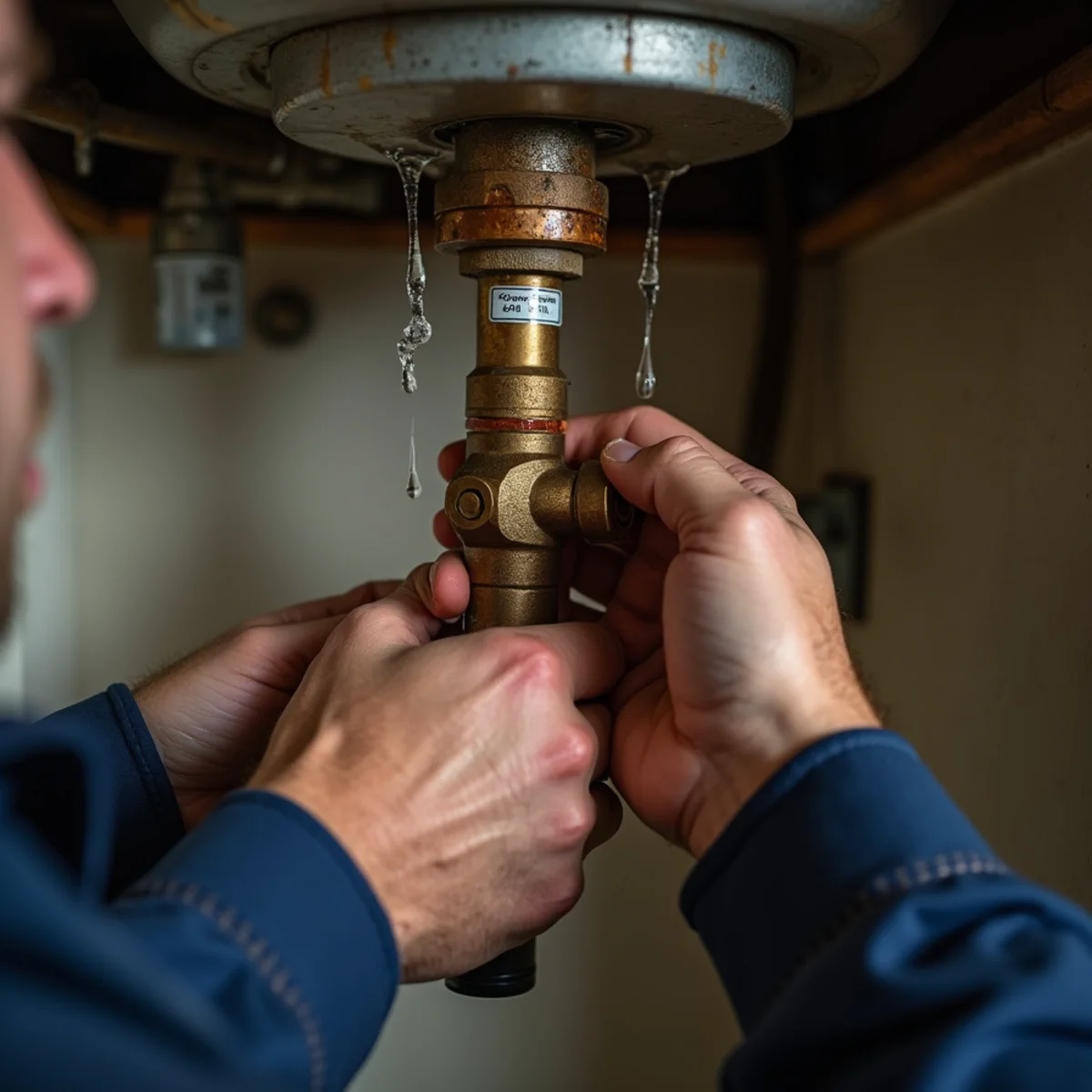
Photograph the burst pipe itself if you can reach it safely. Sudden, accidental pipe failures are typically covered by homeowners insurance, and clear images of the failure point help prove the loss was sudden rather than a slow leak you ignored.
Keep any damaged materials aside rather than throwing them out immediately. An adjuster may want to see them, and we document each item as part of our burst pipe cleanup so nothing gets left off the claim.
- Photograph standing water, the source, and every wet surface
- Shoot short video walking through each affected room
- Save receipts for anything you buy during the emergency
- Do not discard damaged items until they are documented
Why Burst Pipes Happen in Rocklin Homes
Many Rocklin neighborhoods, including Clover Valley Woods, were built during the 1990s and 2000s. That original copper is now old enough to develop pinhole leaks and sudden failures, and our hard water speeds the corrosion along.
Winter matters too. A cold snap in the foothills can freeze an exposed line in a garage, attic, or exterior wall, and the pipe splits when it thaws. Even a small crack under pressure behaves like a burst once the water is running again.
None of that changes the emergency response — it just explains why we see so many of these calls across Rocklin. Getting the water out fast and drying the structure completely is what prevents the mold that can start within 24 to 48 hours.
What If the Burst Pipe Is Hidden Inside a Wall?
Not every burst announces itself with a spray you can see. Sometimes the first sign is a stain spreading across the drywall, a patch of paint that bubbles, or the faint hiss of water running behind a wall with every fixture off. When the failure is inside a wall cavity, there is no fixture valve to reach — go straight to the main shutoff and cut water to the whole house.
In Rocklin's 1990s and 2000s homes, in-wall failures usually trace to pinhole corrosion in aging copper, sped along by our hard water, and the escaping water can track down a stud bay for a while before it surfaces. Resist the urge to open the wall yourself while it is still wet and possibly near wiring. Shut the water, cut power to that area if outlets are involved, and let the crew open the cavity, find the failure, and dry the framing before mold sets in.
- A spreading damp stain or bubbling paint with no visible pipe
- A warm spot on a wall, which points to a hot-water line
- The faint sound of running water inside the wall
- Go straight to the main shutoff — a fixture valve will not reach an in-wall line
Get Help Now
Once the water is off, the clock is running on drying. The longer moisture sits in your subfloor, drywall, and framing, the more it costs to fix. Professional extraction and structural drying stop the spread and protect against mold.
Speed is everything with a burst pipe. The very same failure costs a fraction to put right when it is caught in the first hour, compared with the bill after water has soaked the subfloor, wicked up the drywall, and sat overnight. Getting a crew moving now is the cheapest decision you will make all day, and it is the one that keeps a leak from becoming a mold problem.
We are IICRC-certified, licensed and insured, and we respond to Rocklin emergencies within 60 minutes. Call (201) 277-9344 now. We will get a burst pipe cleanup crew to your door, handle the extraction and drying, and document the loss for your insurance from start to finish.
Need help right now in Rocklin? Our line is open 24/7.
(201) 277-9344Frequently asked
A common half-inch supply line can release hundreds of gallons per hour under normal household pressure. That is why shutting off the water in the first minutes matters so much. Call (201) 277-9344 the moment the water is off and we will dispatch a crew.
Sudden, accidental pipe bursts are typically covered by standard homeowners policies. Gradual leaks and neglected maintenance often are not. We document the failure point and the damage so your claim reflects a sudden loss.
Household fans dry surfaces but cannot pull moisture out of wall cavities, framing, and subfloor. Trapped moisture feeds mold within 24 to 48 hours. Professional drying with commercial dehumidifiers is what actually protects your home.
Head for the street shutoff at the curb meter box, which controls water to the whole property. It usually needs a meter key or a wrench to turn. If the interior valve is seized and you cannot reach the street valve either, call (201) 277-9344 and we will talk you through stopping the flow while a crew heads your way.
For a small clean-water burst with the power safely off, staying is usually fine. Leave if a ceiling is sagging with trapped water, if you cannot isolate electrical hazards near the water, or if the water is contaminated. When in doubt, get everyone out and let a professional assess it.
Related help from our team
Restoration Rocklin CA
IICRC-Certified Water Damage Restoration Team
We're a locally based, IICRC-certified water damage restoration team serving Rocklin and Placer County 24/7. Questions about your situation? Call (201) 277-9344.