
Washing machine hoses, water heaters, and supply lines all have a shelf life. Here are the ages that matter and a simple schedule to replace them before they flood your home.
Everything in your plumbing has a shelf life
Almost every plumbing part in your home has a service life, and almost nobody tracks it. The rubber hose behind your washing machine, the flexible connector under the sink, the tank in the garage. Each was built to last a known number of years, and each one fails, often all at once and usually while you are asleep or away.
Replacing these parts on a schedule is one of the cheapest forms of insurance there is. A braided hose costs a few dollars. The flood it prevents can cost thousands and put you out of your home for days. Here is what to replace, and when.
Washing machine hoses: replace every five years
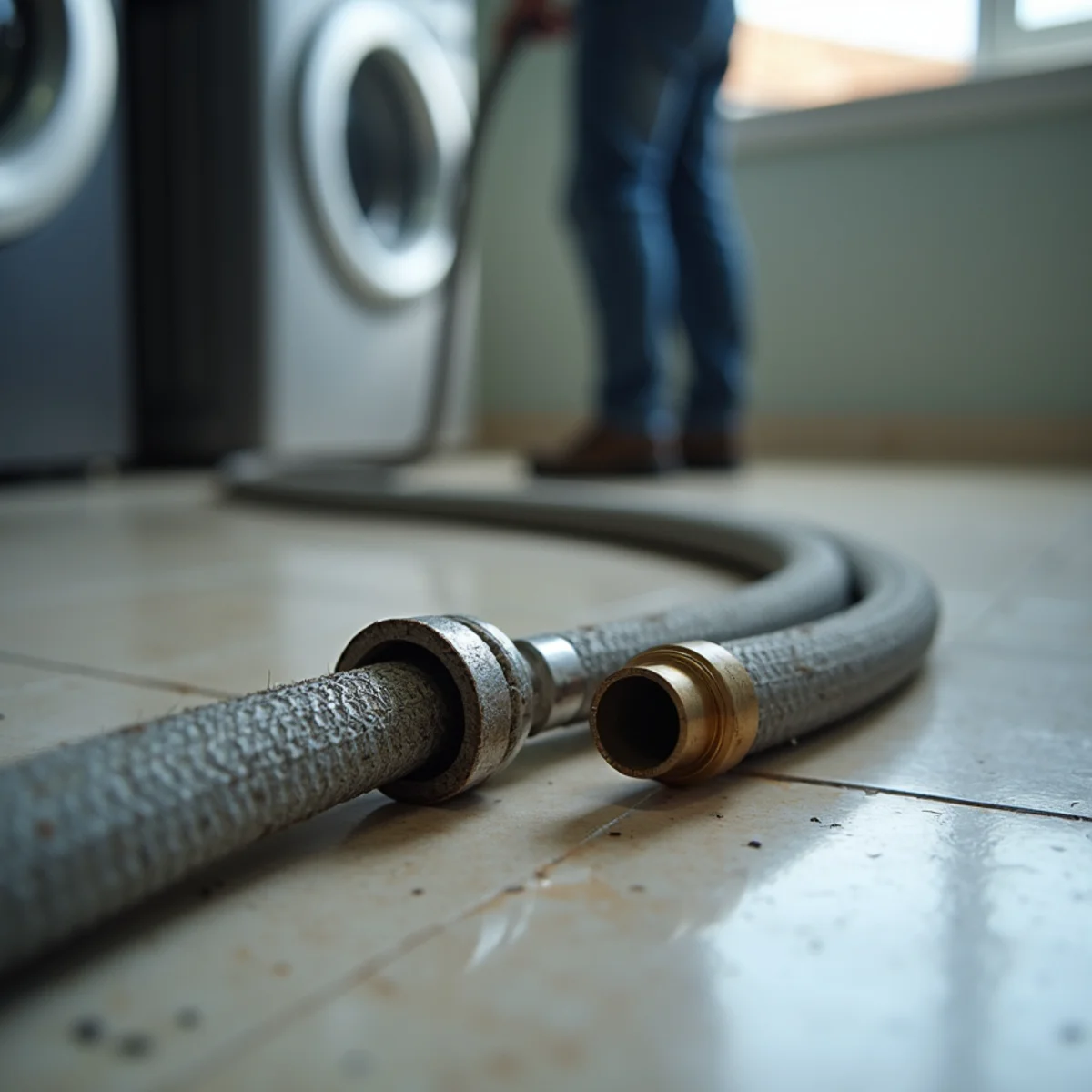
Standard black rubber washing-machine hoses are the classic culprit. They sit under constant pressure, degrade from the inside, and let go without warning, sending water at full household pressure until someone shuts the valve. A hose that bursts while you are at work can put hundreds of gallons through the floor.
Replace them every five years, and switch to stainless-steel braided hoses when you do. Braided lines resist bursting far better than plain rubber and cost only a little more. Write the install date on the hose with a marker so the next replacement is not a guess.
- Replace washing-machine hoses every 5 years, sooner if you see wear
- Upgrade from rubber to stainless-steel braided hoses
- Leave a few inches of slack so the hose is not kinked or strained
- Turn off the supply valves when you are away for more than a few days
- Replace any hose showing a bulge, crack, blister, or rust at the ends
- Mark the installation date on each hose with a permanent marker
Water heaters: 8 to 12 years, and don't wait for the flood
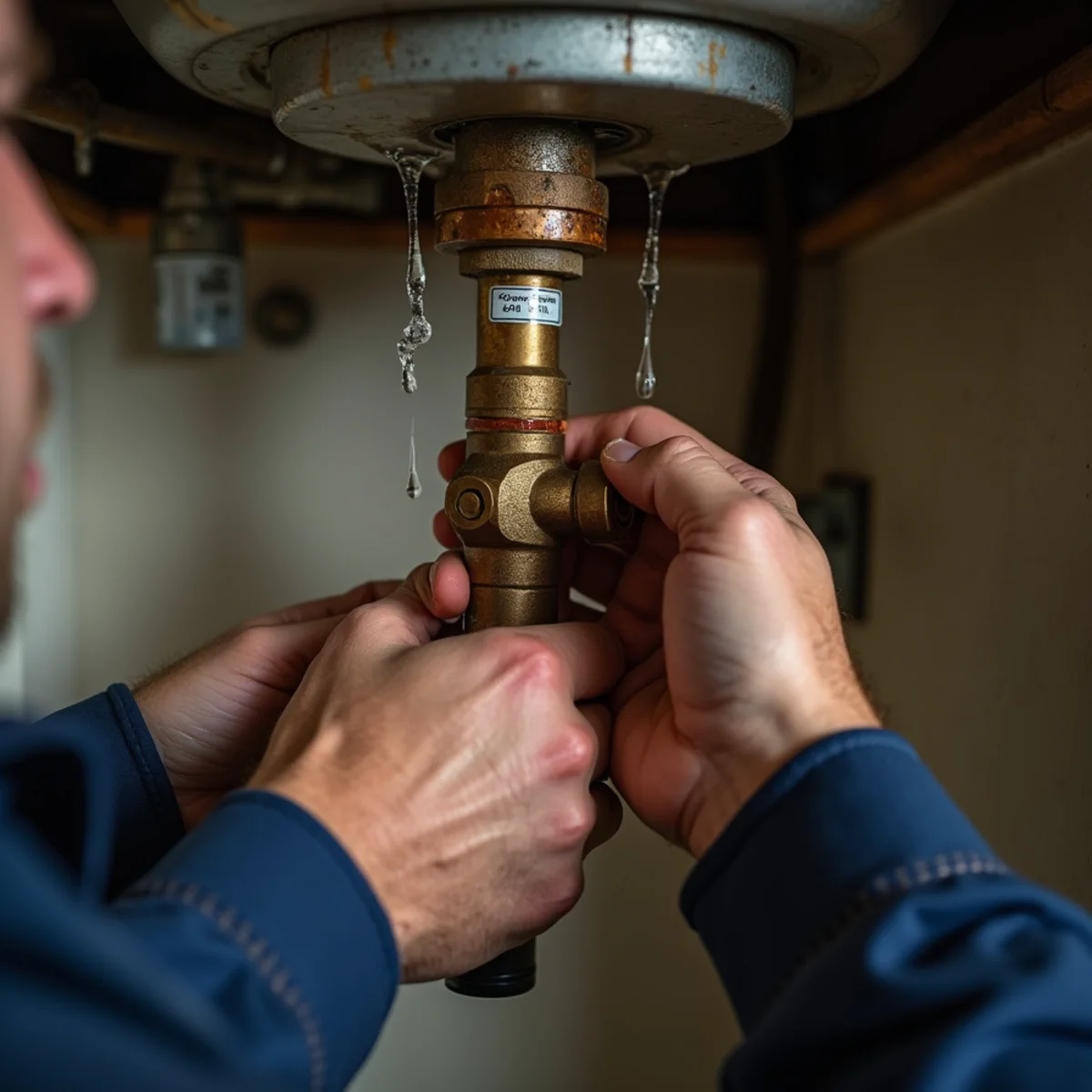
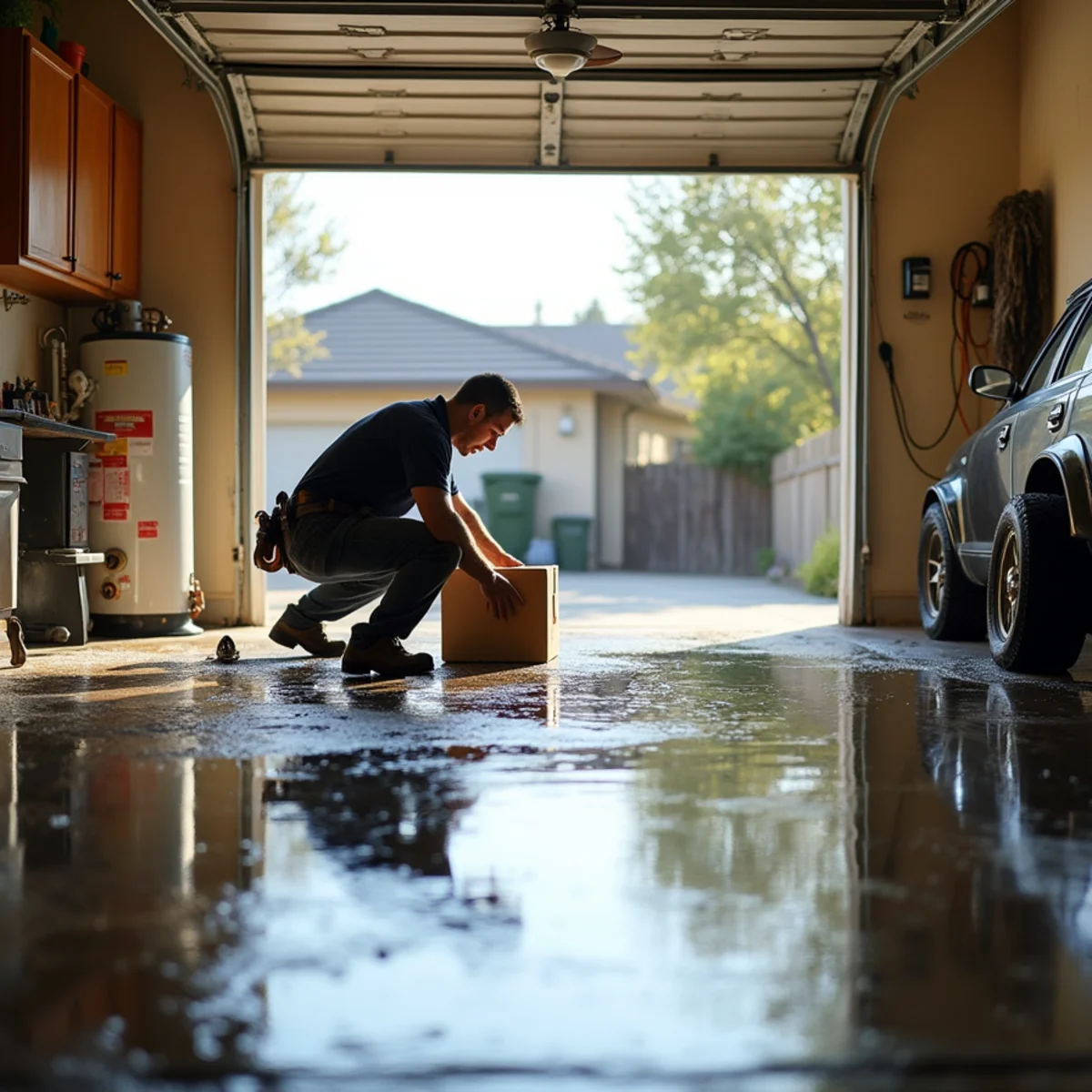
A tank water heater lasts about 8 to 12 years. Past that, the risk of the tank rusting through and dumping its entire contents climbs sharply. If your unit is over a decade old, you are on borrowed time even if it still works fine today.
Watch for the warning signs: rusty or discolored hot water, popping or rumbling sounds, moisture or rust at the base, and a slow decline in how much hot water you get. And while you are down there, confirm the tank is strapped. California Health and Safety Code Section 19211 requires water heaters to be braced against earthquake movement with straps at the upper and lower third of the tank. When one does leak, fast water heater leak cleanup keeps a tank failure from becoming a full water damage claim.
- Replace tank water heaters at 8 to 12 years, before failure
- Note the manufacture date on the label and track the unit's age
- Watch for rusty water, rumbling, and moisture at the base
- Confirm two seismic straps are installed per Section 19211
- Flush the tank annually to reduce sediment and extend its life
- Consider a drip pan with a drain or a leak sensor under the tank
Supply lines and the small connectors that flood homes
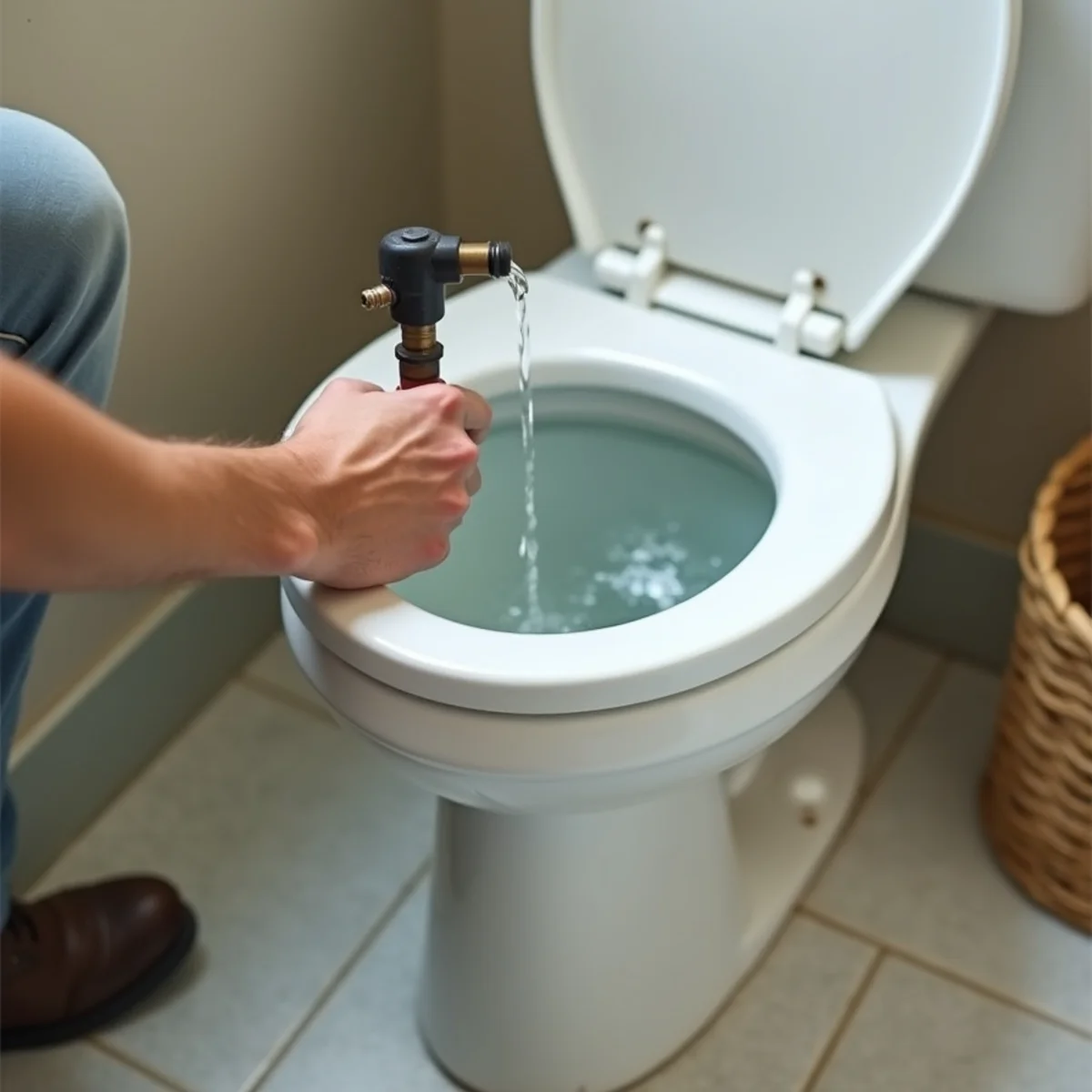
The flexible supply lines feeding your sinks, toilets, and faucets are easy to ignore because they are small and cheap. But a failed toilet connector or a corroded angle stop can flood a bathroom just as thoroughly as a burst pipe, and the plastic-nut versions are notorious for cracking with age.
Refrigerator ice-maker lines and dishwasher supply lines belong on the list too. Anything with water pressure behind it that you never think about is exactly the thing that fails quietly. Replace braided supply lines every 5 to 8 years and any part that shows corrosion.
- Replace flexible faucet and toilet supply lines every 5 to 8 years
- Swap plastic-nut connectors for metal or braided stainless steel
- Check and exercise shut-off valves so they turn when you need them
- Inspect the refrigerator ice-maker line where it meets the wall
- Replace any connector with corrosion, a crack, or mineral buildup
- Know your main shut-off location in case a connector lets go
Your at-a-glance replacement schedule
You do not have to overhaul everything at once. Work through the list over a season, replacing the highest-risk parts first, hoses and an aging water heater, then the smaller connectors as you get to them.
Keep a note of what you replaced and when. A short list on the inside of a cabinet door turns this from a memory exercise into a routine you can actually keep.
- Washing-machine hoses: every 5 years, stainless braided
- Tank water heater: every 8 to 12 years
- Faucet and toilet supply lines: every 5 to 8 years
- Toilet flapper and fill valve: every 4 to 5 years
- Ice-maker and dishwasher lines: inspect yearly, replace at wear
- Main shut-off valve: test yearly, replace if it seizes
Simple upgrades that buy you extra protection
Replacing parts on schedule is the foundation, but a few inexpensive upgrades add a second layer of defense for the times a part fails early. None of these are big projects, and most cost less than a single hour of a restoration crew's time.
Install them as you work through the replacement list and you turn a sudden failure into a contained one. The goal is simple: when something does let go, the water has somewhere to go and something to catch it.
- A single-lever shut-off valve behind the washer so you close both lines at once
- A drip pan with a drain under the water heater and washing machine
- A battery or Wi-Fi leak sensor beside each high-risk appliance
- A pan alarm in the water heater's drip pan to warn you early
- An easy-to-reach, labeled main shut-off everyone in the house knows
- Braided stainless lines in place of any remaining rubber or plastic connectors
When a hose or heater fails anyway, we're ready
Even a well-maintained home gets the occasional failure. If a water heater lets go or a supply line bursts, the priority is stopping the source and getting the water out before it soaks into framing and subfloor.
Restoration Rocklin CA handles water heater leak cleanup and full water damage restoration across Rocklin, Lincoln Twelve Bridges, and the rest of Placer County. IICRC-certified, licensed and insured. Call (201) 277-9344 for fast local response.
Need help right now in Rocklin? Our line is open 24/7.
(201) 277-9344Frequently asked
Every five years, and sooner if you see a bulge, crack, or rust. Upgrading from rubber to stainless-steel braided hoses greatly reduces the chance of a sudden burst.
Most tank water heaters last 8 to 12 years. If yours is older, or you notice rusty water, rumbling, or moisture at the base, plan to replace it before it fails and floods.
Yes. Stainless-steel braided lines resist bursting far better than plain rubber or plastic-nut connectors, and they cost only a little more. They are worth it on every fixture.
It is a smart habit, especially for trips longer than a weekend. The hoses sit under full household pressure the whole time you are gone, and a burst while nobody is home is exactly how a small failure becomes a flooded house. A single-lever shut-off valve makes it a one-second job.
Check the manufacturer's label on the side of the tank. The serial number encodes the build date, and a quick search of the brand's date-code format explains how to read it. If yours is past 10 to 12 years or you see rust at the base, plan to replace it, and call (201) 277-9344 if it has already leaked.
Related help from our team
Restoration Rocklin CA
IICRC-Certified Water Damage Restoration Team
We're a locally based, IICRC-certified water damage restoration team serving Rocklin and Placer County 24/7. Questions about your situation? Call (201) 277-9344.