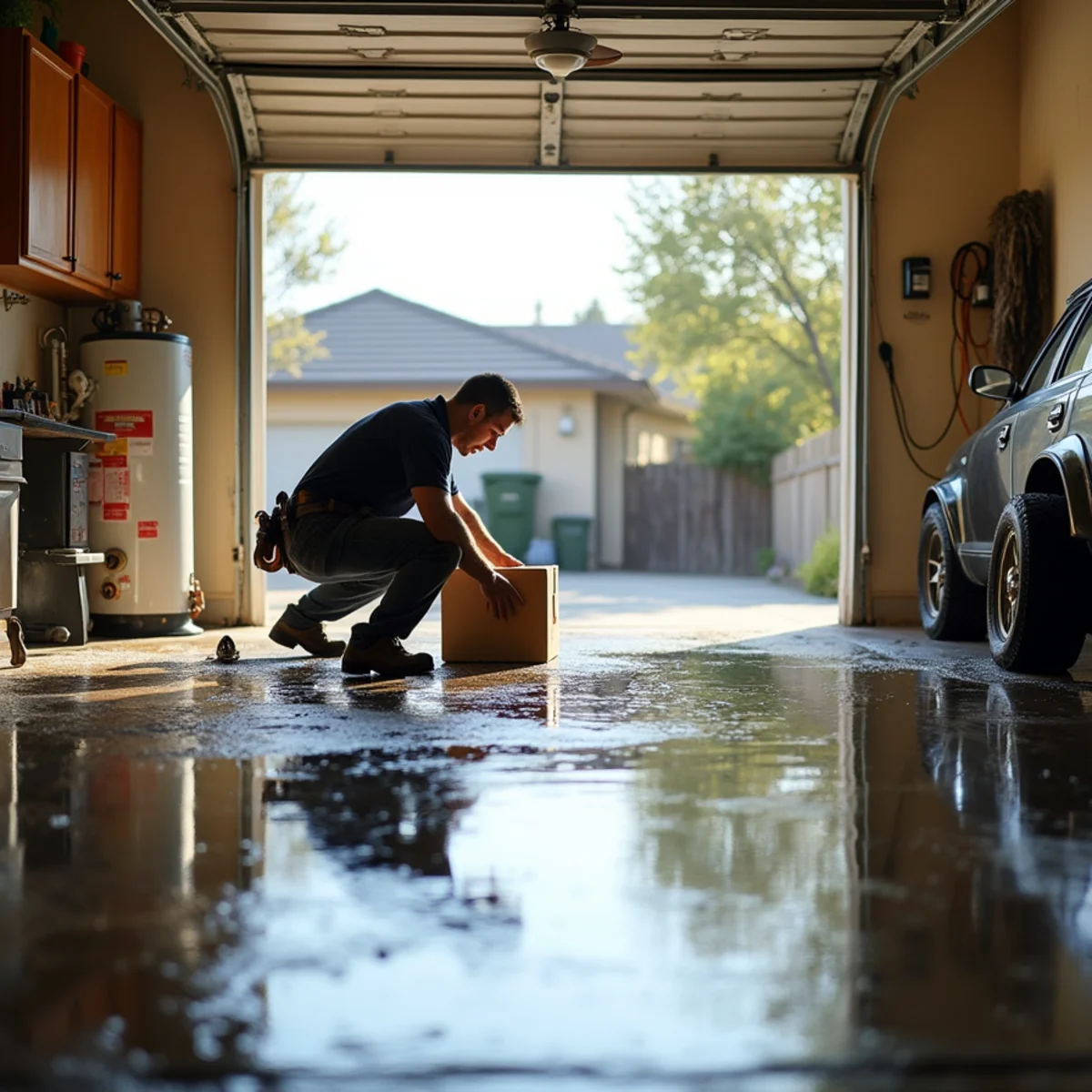

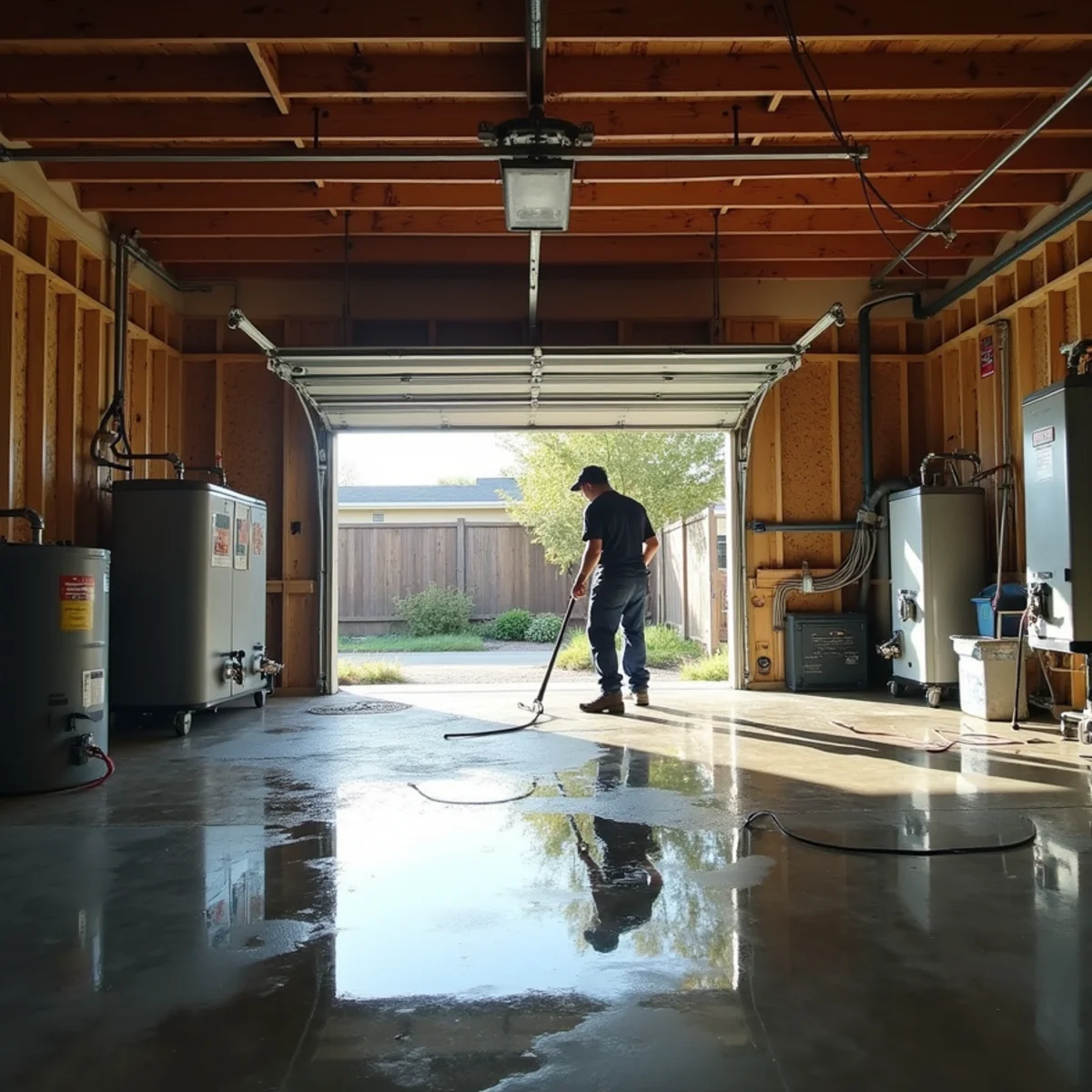
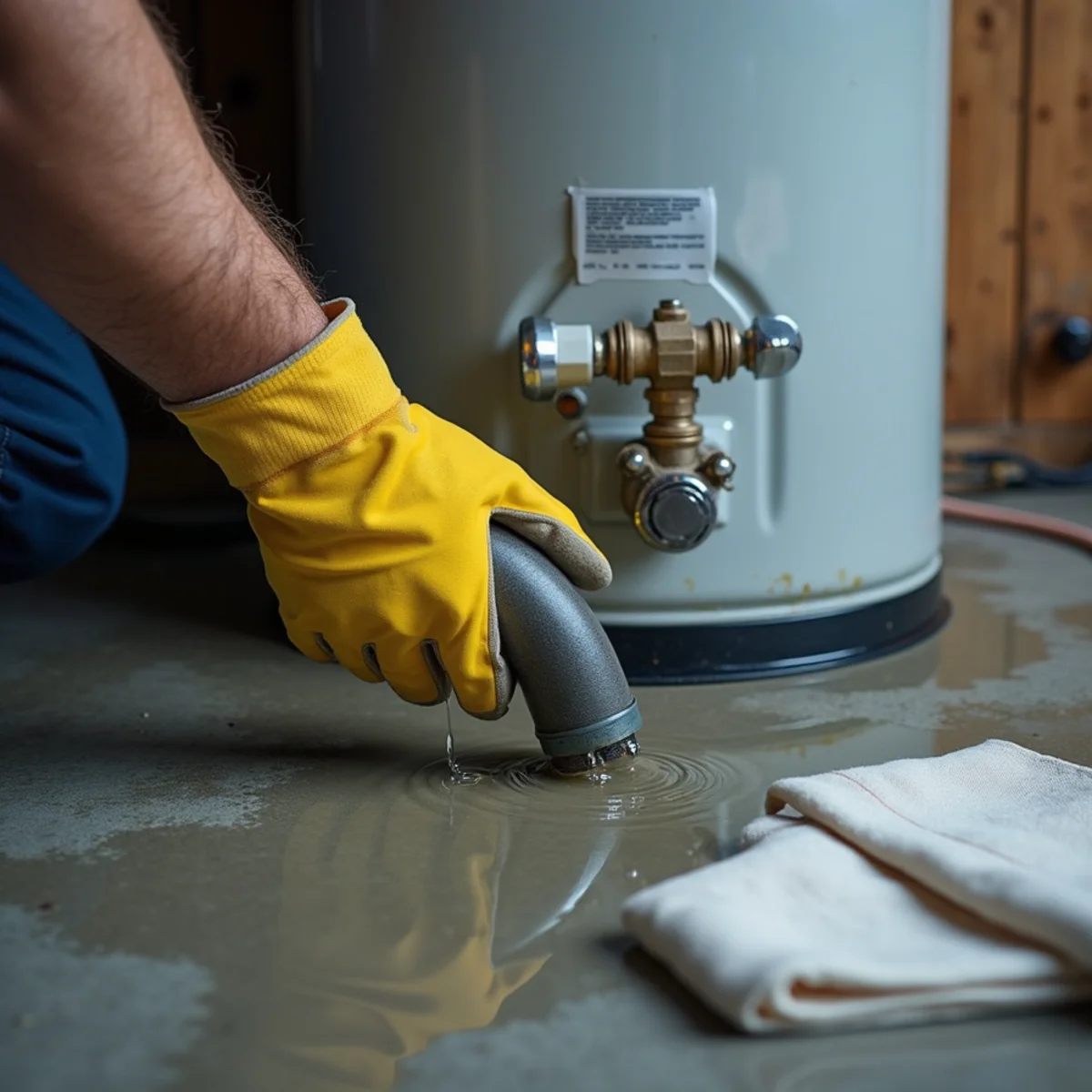
A water heater holds 40 to 50 gallons, and when the tank finally rusts through, it does not drip — it empties, and then the supply line keeps feeding it. Most of the failures we see are in the garage or a utility closet, so the water spreads across the slab, under the drywall, and into whatever is stored on the floor before anyone hears it. A tank that lets go while you are at work can run for hours.
We clean up water heater failures fast: extract the water, dry the slab and walls, and stop mold before it starts in a damp, closed-up garage. We also make sure the failed tank is isolated so the flooding stops. Call (201) 277-9344 for 24/7 water heater leak cleanup anywhere in Rocklin.
Signs your water heater is leaking or failing
- Water pooling around the base of the tank or across the garage floor
- Rusty or discolored water, or rust streaks on the tank itself
- A tank that is more than 8 to 12 years old
- Popping or rumbling from the tank and a drop in hot water
- A damp, musty smell in the garage or utility closet
- Water wicking into drywall or the wall shared with the house
What our water heater leak cleanup service includes
- The tank supply confirmed shut off, with an electrical and gas hazard check
- Standing water extracted from the garage or utility-closet slab
- Moisture pulled from the slab, drywall, and the wall shared with the house
- Air movers and dehumidifiers set with daily moisture monitoring
- Antimicrobial treatment to prevent mold in the warm, closed-up space
- A seismic-strapping and drip-pan check flagged against California code
- Damaged drywall restored and a new tank's install coordinated with a plumber
Need help right now in Rocklin? Our line is open 24/7.
(201) 277-9344Why water heaters fail — and when to expect it
A tank water heater is on a clock. Sediment settles to the bottom, the steel corrodes from the inside, and the sacrificial anode rod that is supposed to slow that corrosion eventually gives out. Most tanks last 8 to 12 years, and Rocklin's hard water shortens that — the same minerals that cause pinhole leaks in copper build sediment in the tank and speed up the rust. If your home is from the 1990s or 2000s and still has an original or first-replacement heater, you are in the failure window.
The failure mode matters for cleanup. A slow seep from a fitting is one thing; a tank that ruptures at the seam dumps its whole volume and keeps flowing from the cold supply until someone shuts the valve. Either way, the water heads for the lowest point and spreads under the slab, into wall bases, and out toward the door — and in an attached garage, into the wall the garage shares with the living space.
Garage floods are easy to underestimate
People tend to shrug off garage water because it is 'just the garage.' That is a mistake. The water wicks into the drywall and the sole plates of the wall framing, soaks whatever cardboard boxes and belongings are on the floor, and in an attached garage it travels straight to the shared wall with the house. Garages are also closed up, poorly ventilated, and warm — perfect conditions for mold to take hold in the days after a leak.
We treat a garage flood as seriously as any interior loss. We extract the water, pull moisture out of the slab and the bottom of the walls, and dry it before that shut-up space turns musty. We also check whether the water reached the interior of the home through the shared wall, since that is a common and easily missed path.
One more thing while we are there: the strap
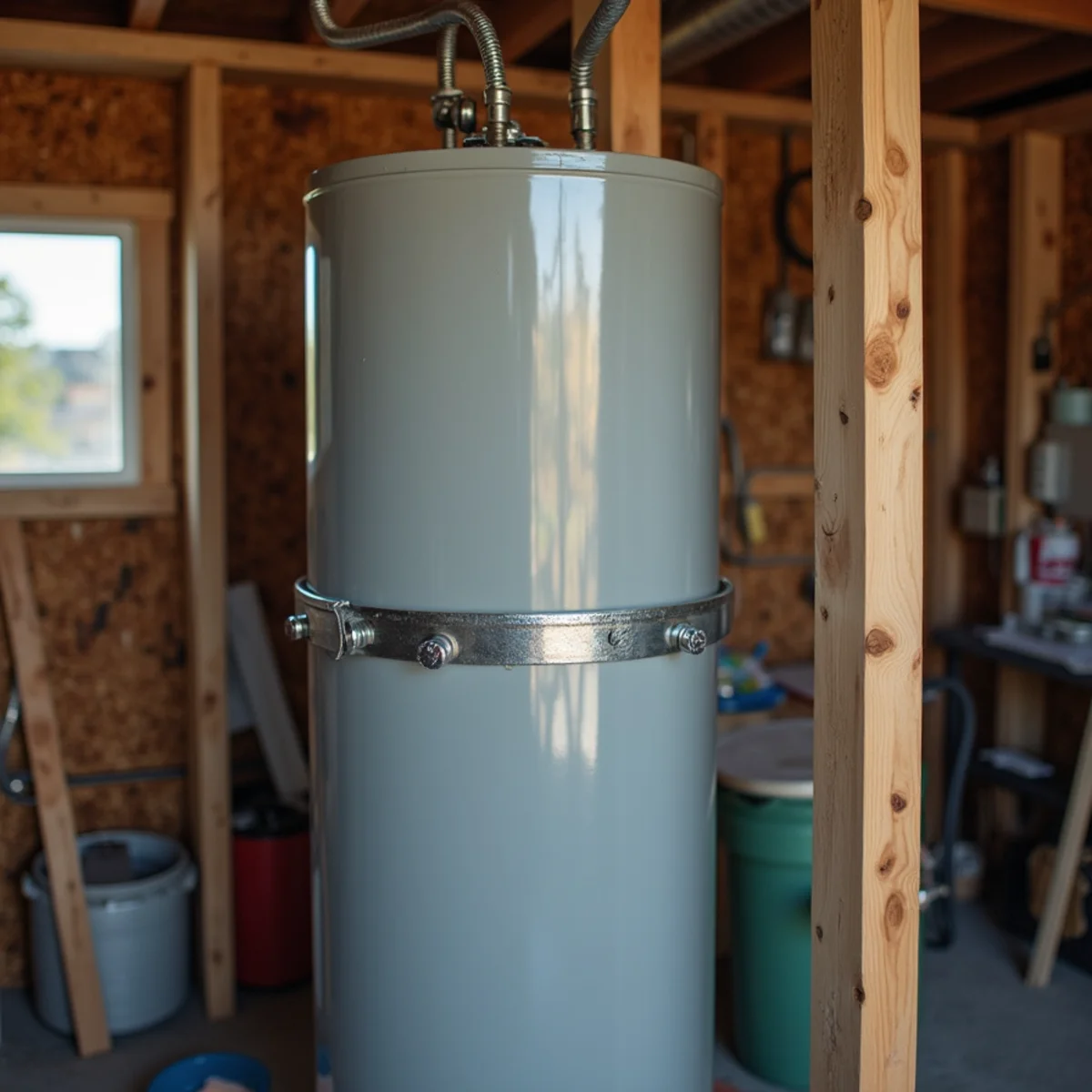
California requires water heaters to be strapped against earthquakes — the state health and safety code calls for bracing at the upper and lower thirds of the tank so it cannot topple in a quake and shear its gas and water lines. When we are on site for a leak, we will flag it if your heater is unstrapped, poorly strapped, or missing the drip pan and drain that could have caught this leak before it flooded the floor.
We are a restoration company, so we handle the water damage and coordinate the plumber to swap the tank. But an unstrapped heater in a Rocklin garage is both a code issue and a real risk in a region that feels the occasional quake, and it is worth fixing while the old tank is coming out anyway.
Our water heater leak cleanup process
- 1
Isolate & assess
We confirm the tank's supply is shut off, check for electrical and gas hazards, and map how far the water spread across the slab and into the walls.
- 2
Extract the water
We remove standing water from the garage or utility space with commercial equipment and pull moisture out of the slab and wall bases.
- 3
Dry the space
Air movers and dehumidifiers dry the slab, drywall, and framing — including any shared wall with the living space — with daily moisture monitoring.
- 4
Prevent mold
We apply antimicrobial treatment and dry the closed-up space fully, since warm, unventilated garages grow mold quickly after a leak.
- 5
Restore & coordinate replacement
We repair damaged drywall and coordinate the plumber to install and properly strap a new tank, so you deal with one point of contact.
What affects water heater leak cleanup cost
The cleanup cost is separate from the price of a new water heater. On the restoration side, it comes down to how much water escaped and where it went before you caught it:
- How long the tank leaked before it was shut off
- How far the water spread and whether it reached the living space
- Water damage to drywall, framing, and stored belongings
- Drying time for the slab and wall bases in a closed garage
- Mold treatment if the leak sat in a warm, unventilated space
- Restoration of damaged drywall and finishes after drying
Why choose Restoration Rocklin CA for water heater leak cleanup
A failed water heater empties 40 to 50 gallons across your garage slab and keeps feeding from the supply line until someone shuts the valve. We clean it up fast — extraction, drying the slab and walls, and stopping mold in a warm, closed-up garage — and we check the shared wall to the house. A local Rocklin crew that also knows the seismic-strapping code your tank has to meet.
- We answer 24/7 and reach your Rocklin garage within 60 minutes to extract before the water wicks into the walls.
- IICRC-certified, licensed, and insured, we treat a garage flood as seriously as any interior loss, including the wall shared with the house.
- We dry the slab and wall bases to standard and verify the moisture before pulling equipment, since warm garages grow mold fast.
- We document the sudden failure and bill your insurance directly for the covered water damage.
- Locally owned in Rocklin, we flag an unstrapped or unbraced tank against California's earthquake code while the old one is coming out.
Water Heater Leak Cleanup across Rocklin & Placer County
We provide water heater leak cleanup to homes and businesses throughout Rocklin — across ZIP codes 95765 and 95677 — and the surrounding Placer and Sacramento County communities, usually within 60 minutes of your call. Wherever you are in the area, a local crew and the right equipment are close by.
Water Heater Leak Cleanup — questions & answers
Shut off the cold water supply valve on top of the tank, or the main if you cannot reach it, and turn off the heater's power or gas. Keep water away from outlets and the electrical panel. Then call (201) 277-9344 and we will extract the water and dry the space before it soaks into the walls and grows mold.
Usually the sudden water damage from a ruptured tank is covered by homeowners insurance, even though the tank itself — a worn-out appliance — typically is not. A slow leak that was neglected over time is treated differently. We document the loss and the sudden nature of the failure to support your claim.
Yes. Garage water wicks into drywall and wall framing, soaks belongings, and in an attached garage travels to the wall shared with your house. Garages are warm and poorly ventilated, so mold sets in fast. We dry the slab and walls properly rather than letting the space sit damp and turn musty.
Extraction is same-visit, and a garage slab and wall bases usually dry in a few days, though a tank that ran for hours while you were out can take longer. We monitor moisture daily and do not pull equipment until it is truly dry. Call (201) 277-9344 and we will give you a timeline after we see how far the water spread.
California's health and safety code requires water heaters to be braced at the upper and lower thirds so they cannot topple in a quake and shear their lines. We are a restoration company, so we handle the water damage and coordinate the plumber to install and properly strap the new tank — worth doing while the old one is already out.