
A sudden jump in your Placer County water bill is often the first sign of a hidden leak behind the walls or under the slab. Here is how to confirm it and find it.
Your Water Bill Is Trying to Tell You Something
The first sign of a serious hidden leak is often not a stain or a sound. It is a number. A Placer County water bill that jumps 20, 50, or 100 percent with no change in how your household uses water is one of the most reliable early warnings you will get. Water is going somewhere, and if it is not down a drain, it is soaking into your home.
Homeowners tend to explain away a high bill — a hot month, extra guests, more irrigation. Sometimes that is all it is. But a sustained, unexplained spike deserves a closer look, because a leak that shows up on the bill has usually been running for a while.
The good news is that confirming a leak is simple, and finding it does not have to mean opening walls.
How to Confirm You Have a Leak
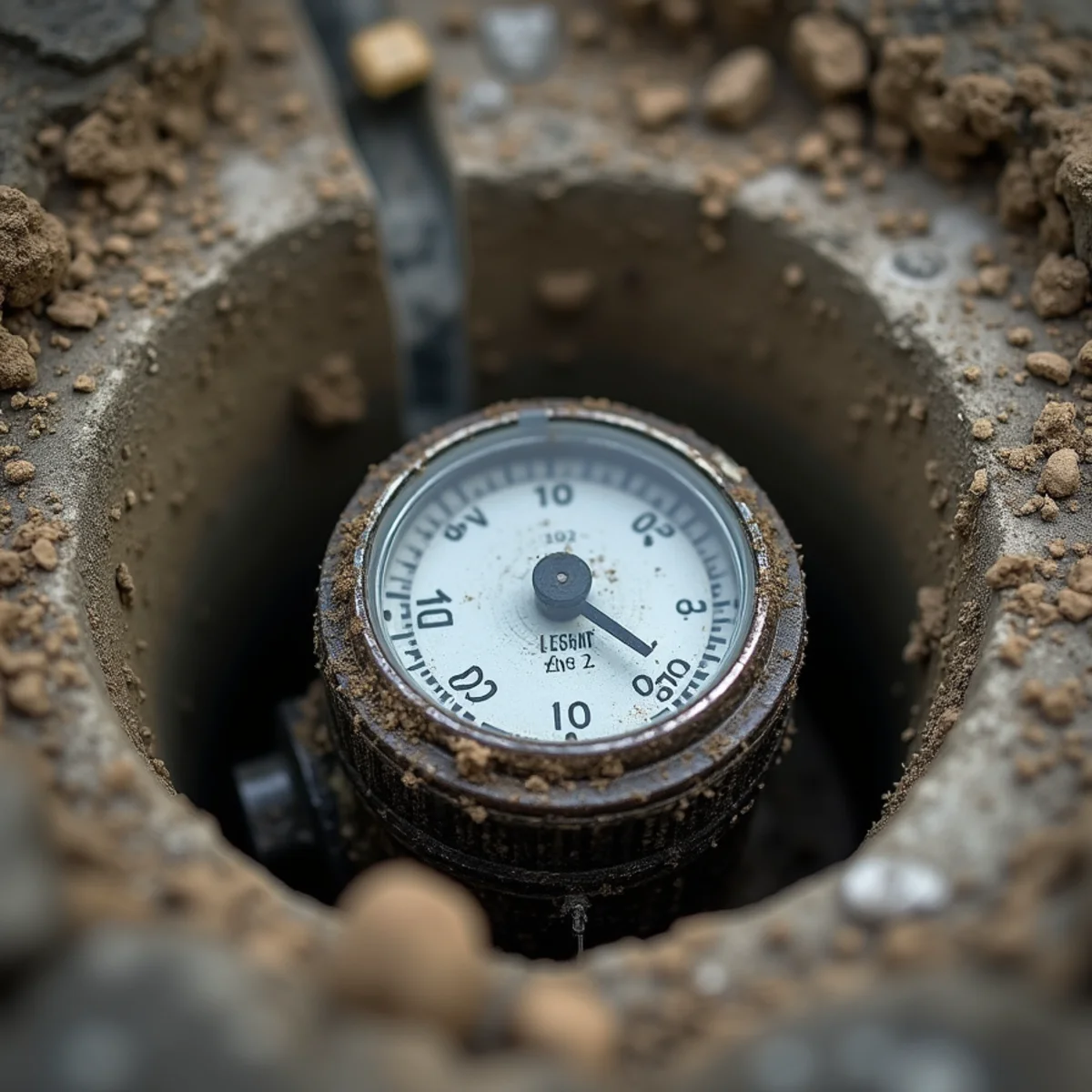
You can check for a leak yourself in a few minutes using your water meter. Turn off every water-using fixture and appliance in the house. Then look at the meter. Many have a small leak-indicator dial or a low-flow indicator that spins when water is moving. If it is turning with everything off, water is flowing somewhere it should not be.
For a slower confirmation, read the meter, wait an hour or two with no water use, and read it again. Any change means water moved. This test does not tell you where the leak is, but it tells you definitively that you have one — which is the important first step.
Once you know water is escaping, the question becomes where. That is where it gets harder, because the most damaging leaks are the ones you cannot see.
Where Hidden Leaks Hide in a Rocklin Home
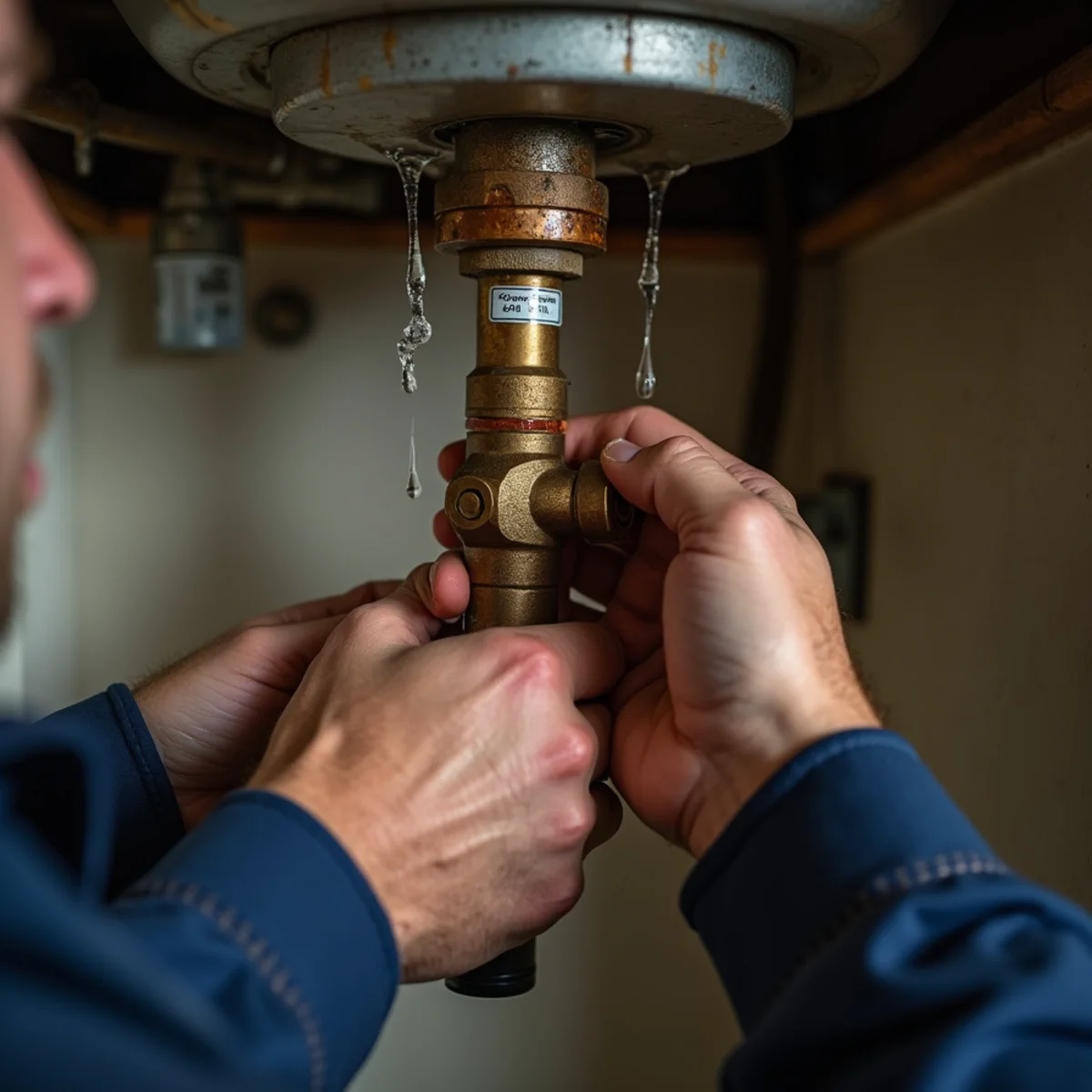
Hidden leaks favor the parts of a home you never look at. In Rocklin's slab-on-grade homes, a slab leak in the copper running through the foundation can release water under the concrete for weeks, showing up as a warm floor spot or a bill spike long before anything visible. Supply lines inside walls develop pinhole leaks that mist into the cavity. Lines feeding an outdoor spigot or an irrigation system can leak underground in the yard, invisible from the house.
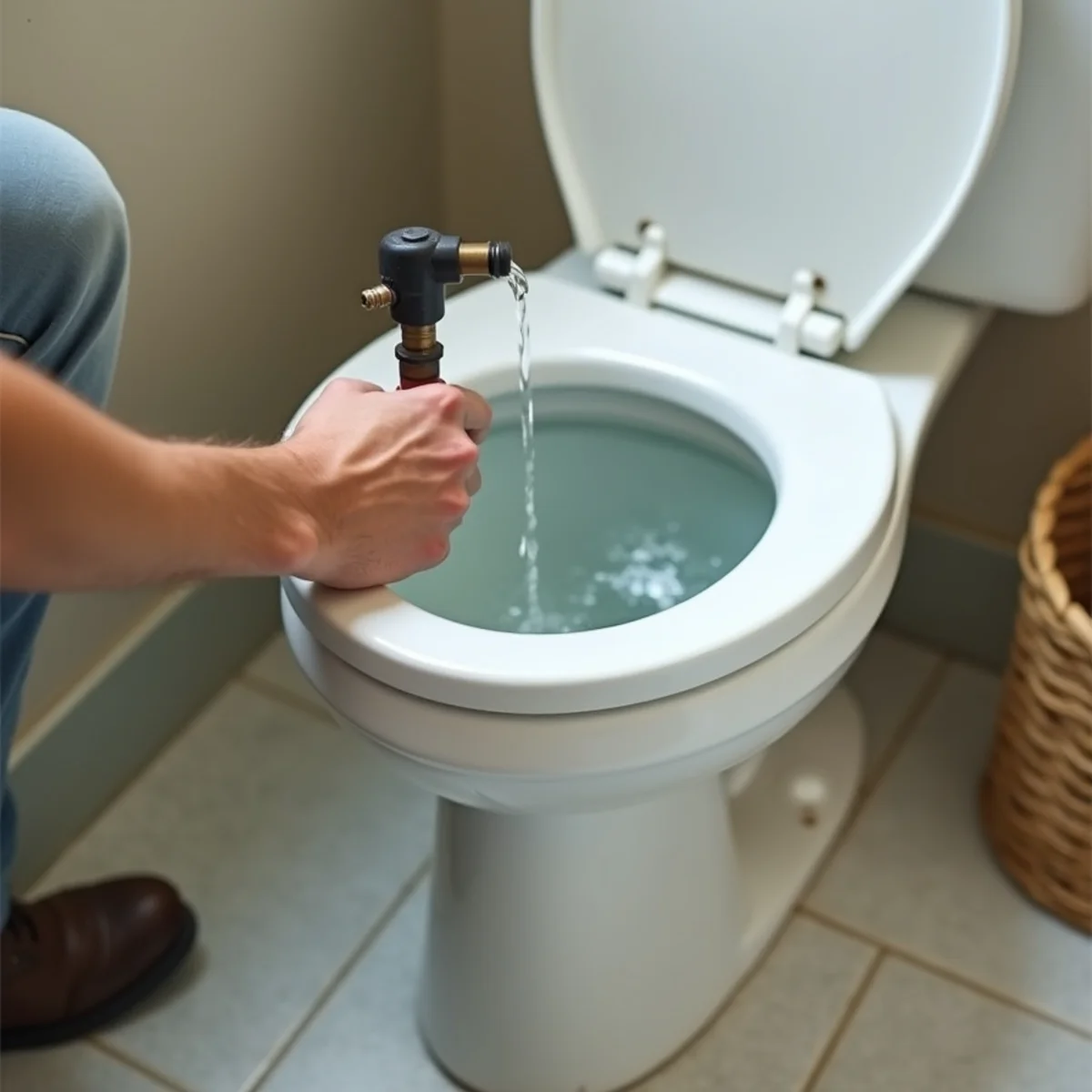
Toilets are a common quiet culprit — a worn flapper can let water run continuously into the bowl and down the drain, wasting hundreds of gallons without a sound. But those show up on the bill without damaging the structure. The leaks that threaten your home are the ones escaping into walls, ceilings, slabs, and soil.
The pattern of your symptoms hints at the location, but pinpointing it reliably takes the right equipment.
The Cost of Letting It Run
A hidden leak is expensive in two ways at once. First is the water itself — a leak large enough to move the bill can waste thousands of gallons a month, and you pay for every one. Second, and far worse, is the structural damage. Water escaping into a wall or under a slab soaks framing, drywall, and subfloor continuously, and within a day or two of exposure it can start feeding mold.
The longer a hidden leak runs, the more it becomes two jobs instead of one: fixing the pipe and repairing the water damage the leak caused. A leak caught in the first week might mean a small repair and a quick dry-out. The same leak caught in the third month can mean gutted drywall, replaced flooring, and mold remediation.
Acting on a bill spike quickly is the cheapest version of the problem. Waiting is the expensive one.
Finding It Without Tearing the House Apart
Professional leak detection finds the source without the old approach of guessing and cutting. Acoustic listening equipment hears water escaping inside walls and under slabs. Thermal imaging shows the temperature difference where water is traveling. Moisture meters trace how far it has spread. Together they mark the exact spot before anything is opened.
The advantage of pinpointing a leak precisely is that it shrinks the whole job. When we know the exact spot, the repair opens one small section instead of an exploratory search across a wall or a floor, and we dry only the area that actually got wet. That precision is the difference between a targeted fix and a demolition project, and it is why non-invasive detection almost always pays for itself in reduced repair and restoration.
Watch for these companions to a bill spike:
- The sound of running water when every fixture is off
- A warm spot on the floor, a sign of a hot-water slab leak
- Damp patches, stains, or a musty smell in one area
- Low water pressure that developed gradually
- The meter's leak indicator turning with the water off
Whose Side of the Meter Is the Leak On?
When a bill spikes, it helps to know where the utility's responsibility ends and yours begins. That line is the water meter. Everything from the meter into and through your home, the buried service line across the yard, the slab plumbing, and the pipes in the walls, is the homeowner's to maintain. A leak in the main before the meter is the water district's problem, but a leak anywhere past it is yours, and it is the past-the-meter leaks that land on your bill.
That matters because one of the sneakiest leaks hides in the service line buried between the meter and the house. It never touches the structure, so there is no damp drywall or warm floor to warn you, just a rising bill and sometimes an unexplained soft or green patch in the yard. The meter test still catches it: if the leak indicator turns with every fixture shut off, water is escaping somewhere past the meter, whether under your slab, inside a wall, or out in the yard.
Hidden Leak Along the Sierra College Corridor? We Find It
The homes and businesses along the Sierra College corridor run the full range of Rocklin's building eras, and a jump in the water bill is the same warning in all of them: water is going somewhere it should not. The sooner it is found, the smaller the repair.
A water bill is one of the few early-warning systems a home has for a problem you cannot see, and it is easy to dismiss. The instinct is to wait one more cycle and see if the number settles. But a leak large enough to move the bill is large enough to be soaking something, and every billing cycle you wait is another month of water in the structure. The cheapest version of this problem is the one you act on the first month the number looks wrong.
Do not pay a month of leaking while damage builds behind the walls. Our leak detection crews locate the source without tearing your home apart, then handle the drying and restoration. Call (201) 277-9344 the moment your Placer County water bill does not add up.
Need help right now in Rocklin? Our line is open 24/7.
(201) 277-9344Frequently asked
Turn off all water, then check your meter's leak indicator or read the meter before and after an hour of no use. If it moves, you have a leak. Call (201) 277-9344 to locate it precisely.
Yes. Slab leaks and in-wall pinhole leaks can escape into concrete or wall cavities and run for weeks or months, driving up the bill and damaging the structure before anything becomes visible.
We use acoustic listening, thermal imaging, and moisture mapping to pinpoint the source without opening the whole wall. That means a targeted repair and less damage. Call (201) 277-9344 to get started.
Usually yes. The water meter marks the dividing line: the utility maintains the main up to the meter, and everything past it, including the buried service line across your yard, is the homeowner's. A leak there raises your bill without ever showing inside the house.
It could. A worn toilet flapper can waste hundreds of gallons silently and is worth ruling out first. But a toilet leaks into the drain without harming the structure; the leaks that threaten your home escape into walls, slabs, and soil. If the meter still turns with the toilets off, call (201) 277-9344 to locate it.
Related help from our team
Restoration Rocklin CA
IICRC-Certified Water Damage Restoration Team
We're a locally based, IICRC-certified water damage restoration team serving Rocklin and Placer County 24/7. Questions about your situation? Call (201) 277-9344.