
A slab leak forces a choice: spot repair or repipe the house. Here is what each costs, when each makes sense, and what insurance will and will not cover.
The Decision a Slab Leak Forces
A slab leak — a pipe failing under your concrete foundation — puts you in front of a real decision. Do you repair the one failed spot, or repipe the whole house so it does not keep happening? The right answer depends on your plumbing, your budget, and how your insurance treats each path.
This matters a lot in Rocklin. Many homes in Johnson Ranch and other 1990s and 2000s neighborhoods were built slab-on-grade with copper that is now reaching the end of its service life, and our hard water speeds pinhole corrosion. A first slab leak is often a sign the system is aging. That is the uncomfortable part of the diagnosis. A slab leak rarely means the rest of the pipe is fine — more often it is the first of a batch, because the whole run of copper went in at the same time and has aged under the same hard water. Planning as if there could be a next one usually saves money.
Here is how the two options compare on cost and coverage. For the water damage a slab leak causes, call (201) 277-9344 — that side is often where the bigger bill hides.
Option 1: Spot Repair the Slab Leak
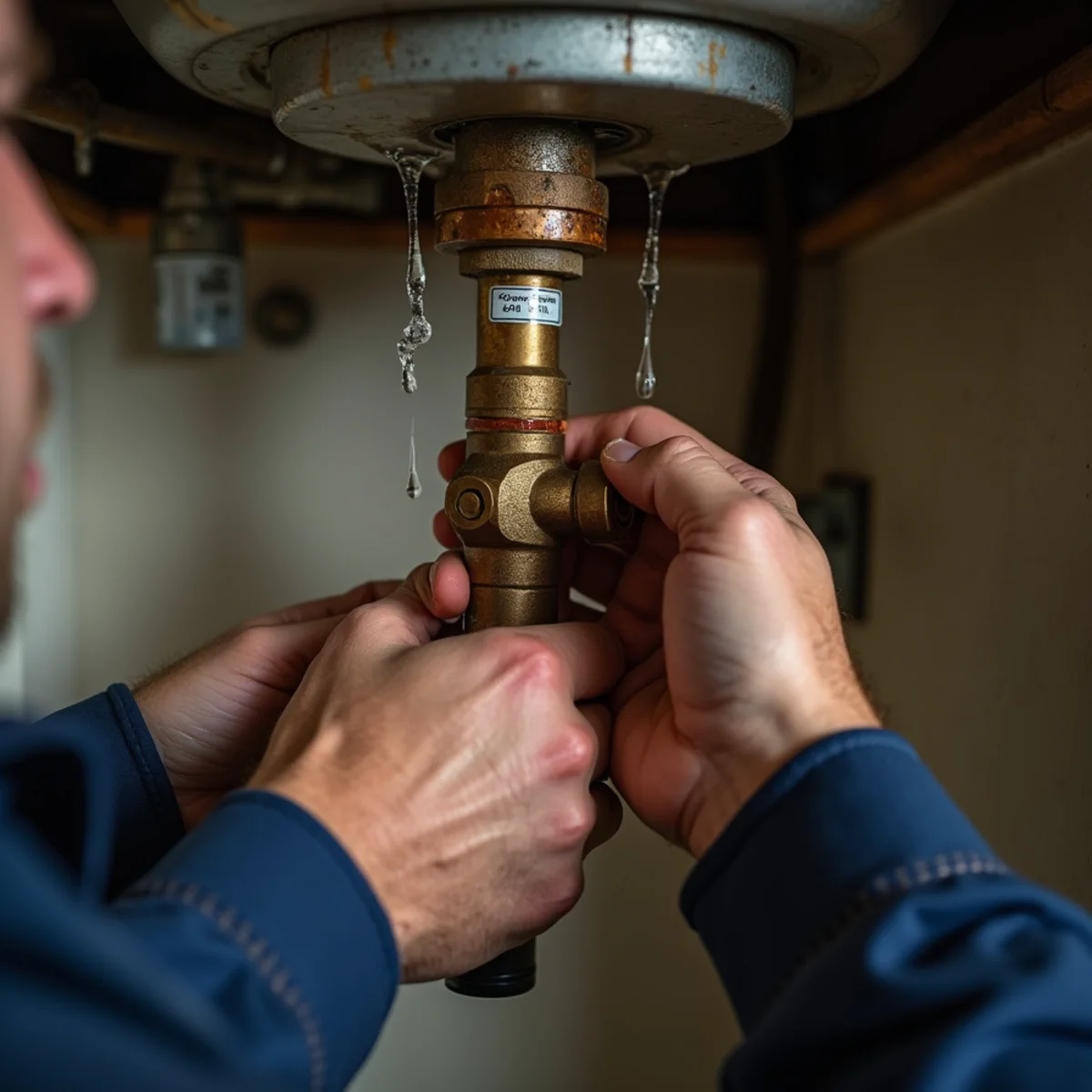
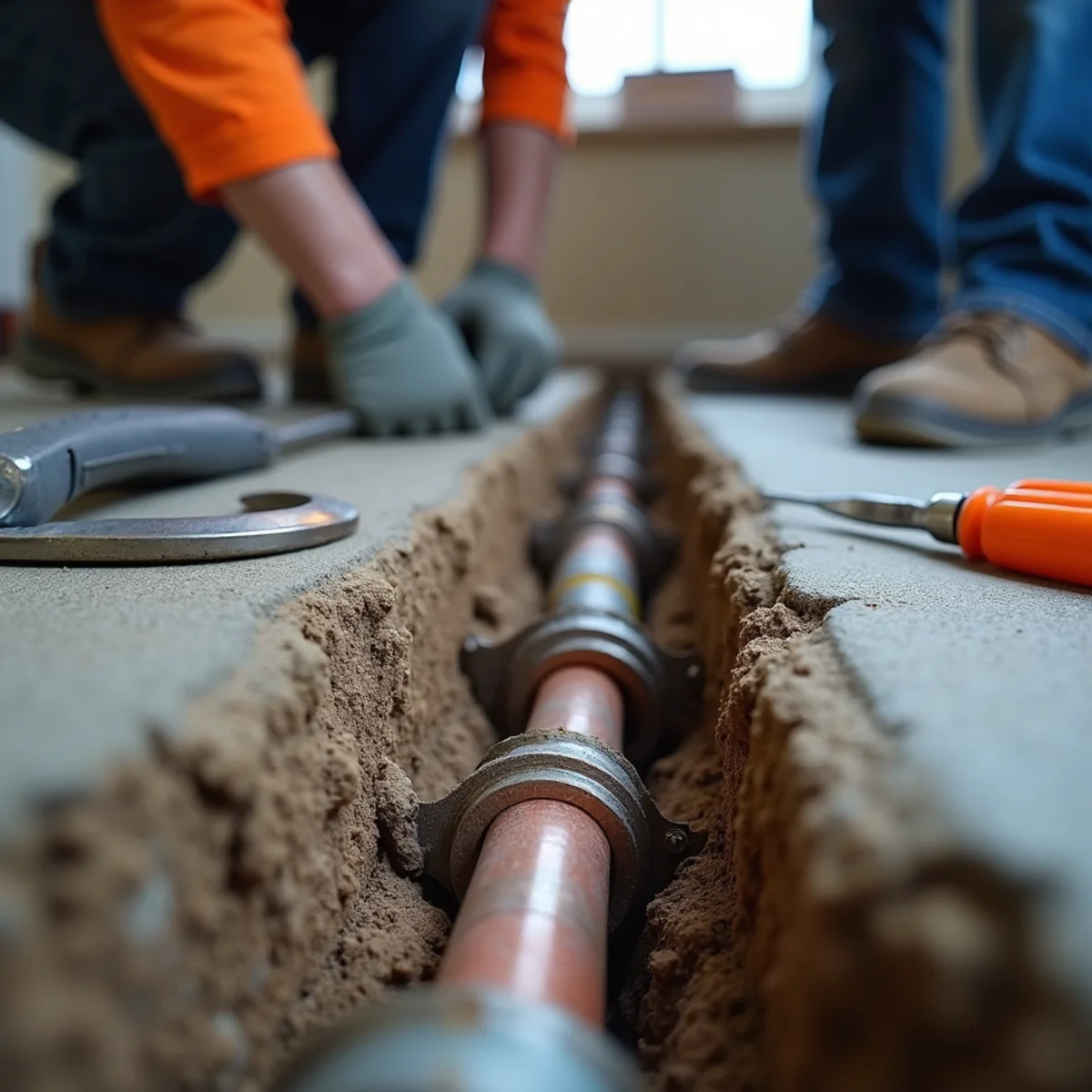
A spot repair fixes the single failed section. Plumbers reach it one of a few ways: opening the slab to access and replace the bad pipe, rerouting that line overhead through walls and ceilings, or relining the pipe from inside where feasible. Cost varies widely with the method and how buried the leak is.
The appeal is a lower up-front price and a smaller project. The drawback is that if your copper is failing from age and water chemistry, fixing one leak does not stop the next one. Homeowners who spot-repair an aging system sometimes find themselves doing it again a year later.
Spot repair makes the most sense when the pipe is otherwise sound and the leak was a one-off — a physical damage or an isolated defect rather than system-wide corrosion.
Option 2: Whole-House Repipe
A repipe replaces the home's supply lines entirely, usually rerouting new lines through walls and the attic rather than back under the slab. It is a bigger project and a bigger up-front cost, but it resolves the underlying problem: you are no longer relying on failing pipes buried in concrete.
For a home on its second or third slab leak, or one with known corroded copper, a repipe is often the more economical choice over time. You stop paying for repeated spot repairs and the water damage each new leak causes.
The trade-off is disruption. A repipe means opening walls in multiple rooms and patching afterward. Weigh that against the near-certainty of more leaks if the whole system is aging.
- Spot repair: lower up-front cost, fixes one leak only
- Repipe: higher up-front cost, replaces the whole system
- Repeated leaks point toward a repipe being cheaper long-term
- Repipe means wall access and patching in several rooms
What Insurance Actually Covers
Here is the part that surprises people. Standard homeowners insurance generally does not pay to fix the pipe itself — the plumbing repair or the repipe comes out of your pocket. What it often does cover is the resulting water damage: the drywall, flooring, and structure the leaking water ruined, plus the cost to access the leak through the slab.
Coverage for slab leaks specifically varies by policy. Some cover the tear-out to reach the pipe and the resulting damage but not the pipe repair. Others exclude slab leaks unless you carry a specific endorsement. Gradual, long-running leaks can be denied as a maintenance issue, which is why prompt detection and reporting matter.
The takeaway: budget for the plumbing yourself, and let your policy handle the water damage. We help document that damage side of the claim so you recover what you are owed.
How to Decide Between the Two
Start with your plumber's read on the pipes. If the copper is otherwise sound and the leak was a one-off, a spot repair is reasonable. If they find widespread corrosion, or this is not your first slab leak, that is the system telling you the next failure is already on the way.
Then run the math over time, not just today. A spot repair is cheaper right now, but two or three of them plus the water damage each one causes can quietly exceed the cost of a single repipe. A repipe is a bigger check up front and a bigger disruption, but it ends the cycle.
Factor in how long you plan to stay. If you are moving in a couple of years, a spot repair may make sense and the history can be disclosed to a buyer. If this is your long-term home, paying once to be done with failing slab pipes is usually the better value.
How to Tell You Have a Slab Leak in the First Place
A slab leak rarely shows itself as an obvious puddle, because the pipe is buried under the concrete foundation. Instead it leaves a trail of quieter clues. A warm spot on the floor points to a failing hot-water line. A water bill that jumps with no change in use means water is escaping somewhere. The faint sound of running water when every fixture is off is another classic sign.
Other tells show up in the structure: a section of flooring that cups or lifts, cracks appearing in the slab or walls, a persistent musty smell, or a drop in water pressure. In Rocklin's 1990s and 2000s slab-on-grade homes, where hard water is corroding original copper from the inside, any one of these is worth checking before the leak surfaces as real damage. Catching it early keeps both the plumbing repair and the water damage small.
- A warm spot on the floor, a sign of a hot-water slab leak
- A water bill that jumped with no change in usage
- The sound of running water with everything shut off
- Cupping floors, new cracks, or a persistent musty smell
How We Fit In — Call Us
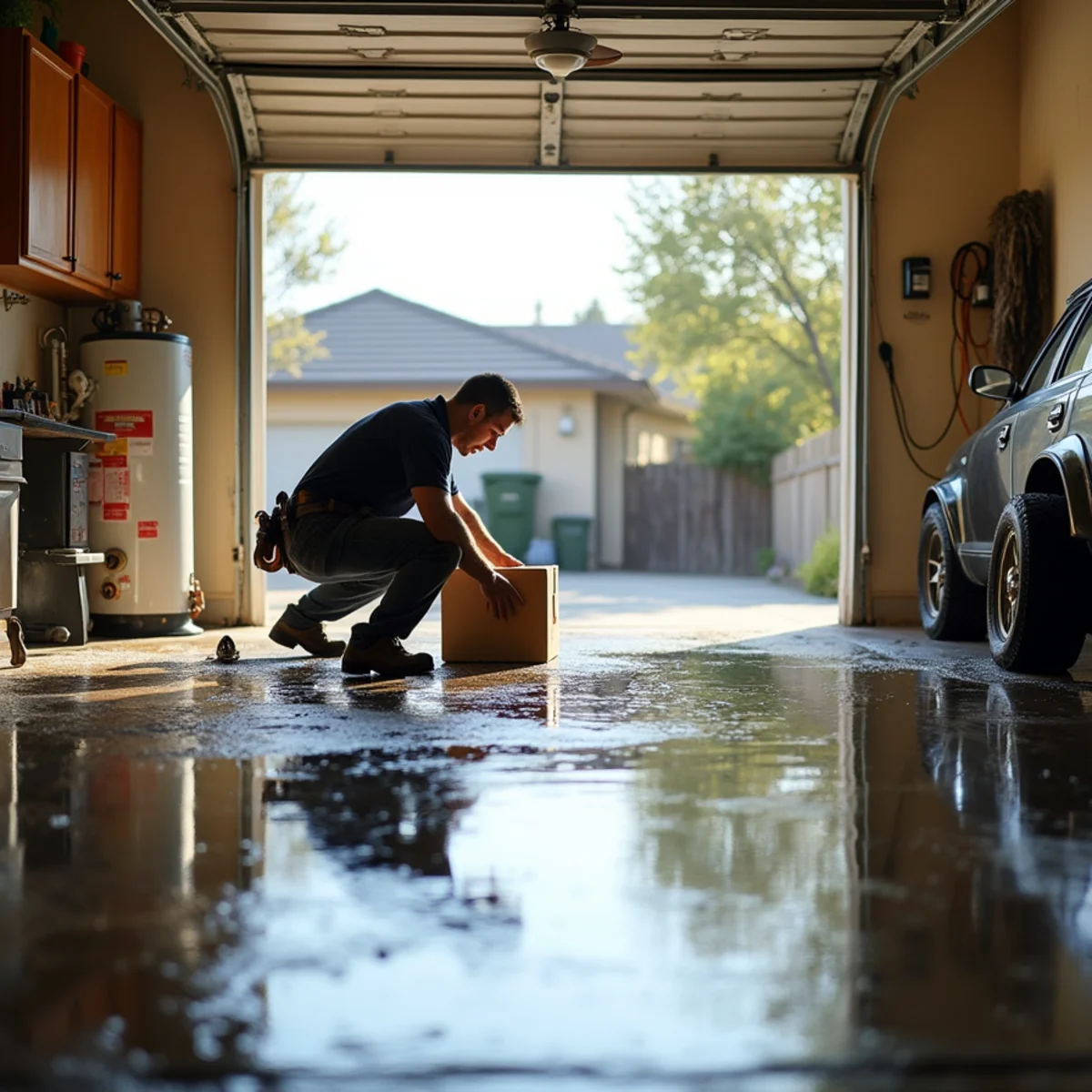
Whichever plumbing path you choose, a slab leak that ran for a while has almost always caused water damage — warped flooring, wet baseboards, and hidden moisture feeding mold. That is our part of the job.
We locate the leak precisely to keep the plumbing repair targeted, then dry and restore the affected area and document the damage for your insurance. Call (201) 277-9344 for slab leak water damage help across Rocklin, and we will coordinate with your plumber so you deal with one clear process instead of two.
Need help right now in Rocklin? Our line is open 24/7.
(201) 277-9344Frequently asked
Usually not the pipe repair itself, which comes out of pocket. Many policies do cover the resulting water damage and the cost to access the leak through the slab. Coverage varies, and some policies need a specific slab leak endorsement. Call (201) 277-9344 for the damage side.
Spot repair costs less up front and fixes one leak. If your copper is failing from age and hard water, a repipe often costs less over time by ending repeated leaks and the water damage they cause. A second or third slab leak usually points toward a repipe.
Many 1990s and 2000s Rocklin homes were built slab-on-grade with copper that is now reaching the end of its service life, and the area's hard water accelerates pinhole corrosion. A slab leak can run undetected for a long time before it surfaces.
A warm spot on the floor, a water bill that jumped for no reason, the sound of running water when everything is off, cupping floors, new cracks, or a musty smell. Any of these is worth investigating before the leak surfaces as visible damage. Call (201) 277-9344 and we will locate it precisely.
Most repipes take a few days depending on the size of the home and how many lines are rerouted. Water is shut off during working hours and usually restored by evening, so most homeowners stay in the house through it. Your plumber handles the repipe; we dry and restore any water damage the leak already caused.
Related help from our team
Restoration Rocklin CA
IICRC-Certified Water Damage Restoration Team
We're a locally based, IICRC-certified water damage restoration team serving Rocklin and Placer County 24/7. Questions about your situation? Call (201) 277-9344.