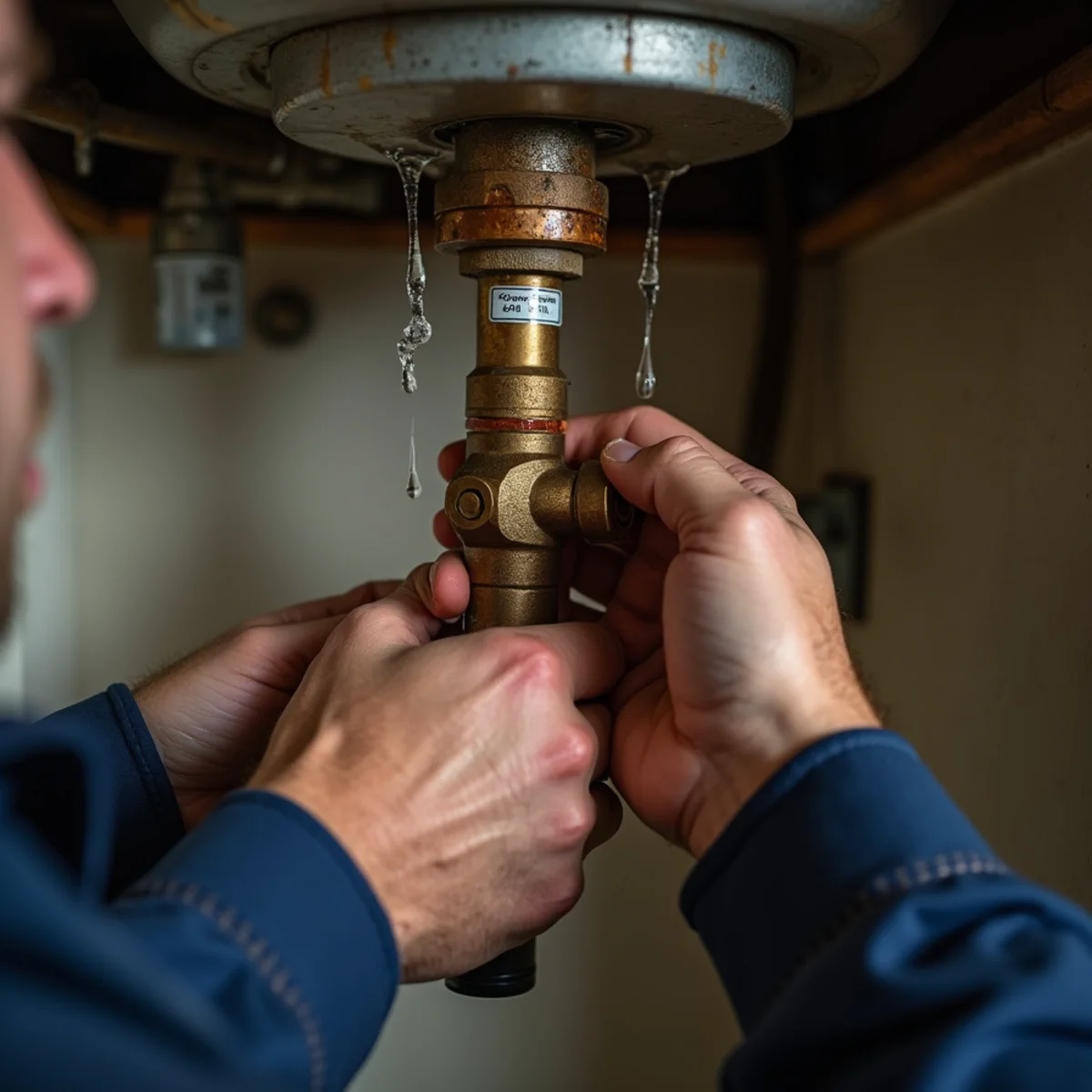


You do not have to jackhammer the whole slab to find a leak under it. Acoustic listening, thermal imaging, and pressure testing pinpoint the exact spot so the repair is small and precise.
You Don't Have to Jackhammer the Whole Slab
The fear with a slab leak is the demolition. People picture a jackhammer tearing across the whole floor while someone hunts for a pipe. That picture is out of date. Modern detection finds the leak first, so the concrete only opens at the one spot that matters.
A slab leak is a pipe failing beneath your concrete foundation, and it is a serious problem precisely because it is buried. But buried does not mean invisible to the right tools. Professionals locate it non-invasively, then mark the exact point before anything is cut.
The goal of detection is a small, precise repair instead of an exploratory one. That is the difference between opening a square foot of floor and opening a room.
What a Slab Leak Is
Homes built on a concrete slab have water lines running through or beneath that slab. When one of those pipes develops a crack or a pinhole, water escapes under the foundation. That is a slab leak.
They are increasingly common in Rocklin's 1990s and 2000s slab-on-grade homes, where the original copper is reaching the end of its service life. Our hard water accelerates the pinhole corrosion that starts these leaks, and a slab leak can run a long time before it surfaces.
Because the water is under the concrete, the damage often shows up indirectly first, a warm floor spot, a jump in the water bill, the sound of running water, or a foundation that takes on moisture. By the time it is obvious, it has usually been leaking for a while. That delay is exactly why accurate detection matters so much: the leak has had time to travel, and finding its true source is what keeps the repair contained.
The Tools That Find It
Locating a slab leak is a process of narrowing down, using several tools that each reveal a different clue. No single device magically points to the spot. Used together, they triangulate it.
Here is what a professional brings to pinpoint a leak under concrete without guessing.
- Acoustic listening equipment that hears water escaping under the slab
- Thermal imaging cameras that spot temperature differences from a hot-water leak
- Pressure testing that confirms which line, hot or cold, is losing water
- Tracer gas or line tracing to follow the pipe path under the floor
- Moisture meters that map where the water has traveled through the structure
How the Location Gets Pinpointed
Detection follows a sequence. First we confirm there is an active leak, usually with the water-meter test, turning everything off and watching whether the meter still moves. Then we isolate the failing line with pressure testing to learn whether it is the hot or cold side.
From there, acoustic equipment does the fine work. Water escaping under pressure makes a sound that travels through the slab, and sensitive listening gear locates where that sound is loudest. Thermal imaging adds confirmation on a hot-water leak, since the escaping water warms the concrete in a telltale pattern.
The result is a marked spot, often within inches. Our leak detection process is built around this narrowing sequence so the repair crew opens the floor once, in the right place, rather than chasing the leak with a jackhammer.
Repair Options Once It's Found
Once the leak is pinpointed, you usually have more than one repair path, and the best choice depends on the pipe, its age, and how many leaks the system has had. A single leak in an otherwise sound line may only need a spot repair, opening the slab at that one point to fix the pipe.
If the plumbing is aging and prone to more leaks, rerouting the line above the slab or repiping a section can be the smarter long-term fix, avoiding a series of future slab openings. A good crew walks you through the trade-offs rather than defaulting to the biggest job. Repiping sounds like the larger project, but for a home that has already had two or three slab leaks, it often costs less over time than opening the concrete again and again.
We see the full range in homes around Rocklin, including the areas near Breen Elementary where slab-on-grade construction is common. A slab leak that has been running has usually caused water damage too, so we are ready to dry and restore the affected area once the pipe is repaired.
Why Slab Leaks Happen, and How to Slow Them Down
A slab leak is not simply bad luck, it has causes you can influence. The big one in the Rocklin area is hard water, which corrodes copper from the inside and creates the pinholes most slab leaks start as. High household water pressure stresses every joint and speeds that wear along, and pipes laid touching rough concrete or rebar can abrade a hole over years of thermal expansion and contraction.
A few things slow it down. A pressure regulator keeping your home under about 80 psi takes strain off the whole system, and a water softener reduces the mineral load that eats at copper. If your home has already had one slab leak, the rest of the same-age copper is on the same clock, which is why many owners of 1990s and 2000s Rocklin homes eventually reroute or repipe rather than chase leaks one at a time.
Find It First, Then Fix It Right
The whole point of good detection is to make the repair small. Find the leak precisely and you open the floor once, in the right spot, instead of chasing it with a jackhammer across the room.
If you suspect a slab leak, do not start with demolition. Call (201) 277-9344 and we will locate it precisely, walk you through the repair options, and dry and restore whatever the leak has already affected.
Need help right now in Rocklin? Our line is open 24/7.
(201) 277-9344Frequently asked
Professionals confirm the leak with a water-meter test, isolate the failing line with pressure testing, then use acoustic listening equipment and thermal imaging to pinpoint the exact spot under the slab. The location is marked within inches so the concrete only opens where the pipe actually failed.
No. Accurate detection means the slab only opens at the pinpointed spot for a spot repair. In some cases, rerouting or repiping a line above the slab avoids opening the concrete at all. The whole-floor jackhammer image is outdated. Call (201) 277-9344 to learn your options.
Serious, because it can run undetected for a long time, damaging flooring and framing and feeding mold, and hard water in the Rocklin area accelerates the corrosion that causes it. Early detection makes the repair far smaller. If you notice a warm floor spot or a bill spike, have it checked.
Most start as pinhole corrosion in copper pipe, which the Rocklin area's hard water accelerates from the inside out. High water pressure adds stress to every joint, and pipe laid against rough concrete or rebar can abrade a hole over years of expansion and contraction. Aging copper in 1990s and 2000s homes is right in the window where these leaks become common.
Often, yes. The rest of your copper is the same age and material, sitting in the same hard water, so it is on the same clock as the pipe that just failed. That is why homeowners who have had two or three slab leaks frequently choose to reroute or repipe rather than open the concrete again and again. Call (201) 277-9344 and we will walk through your options.
Related help from our team
Restoration Rocklin CA
IICRC-Certified Water Damage Restoration Team
We're a locally based, IICRC-certified water damage restoration team serving Rocklin and Placer County 24/7. Questions about your situation? Call (201) 277-9344.