
A hidden leak leaves clues before it leaves a stain. Warm floor spots, an unexplained water bill, and the sound of running water are three of the clearest, and they are worth acting on.
A Hidden Leak Leaves Clues Before It Leaves a Stain
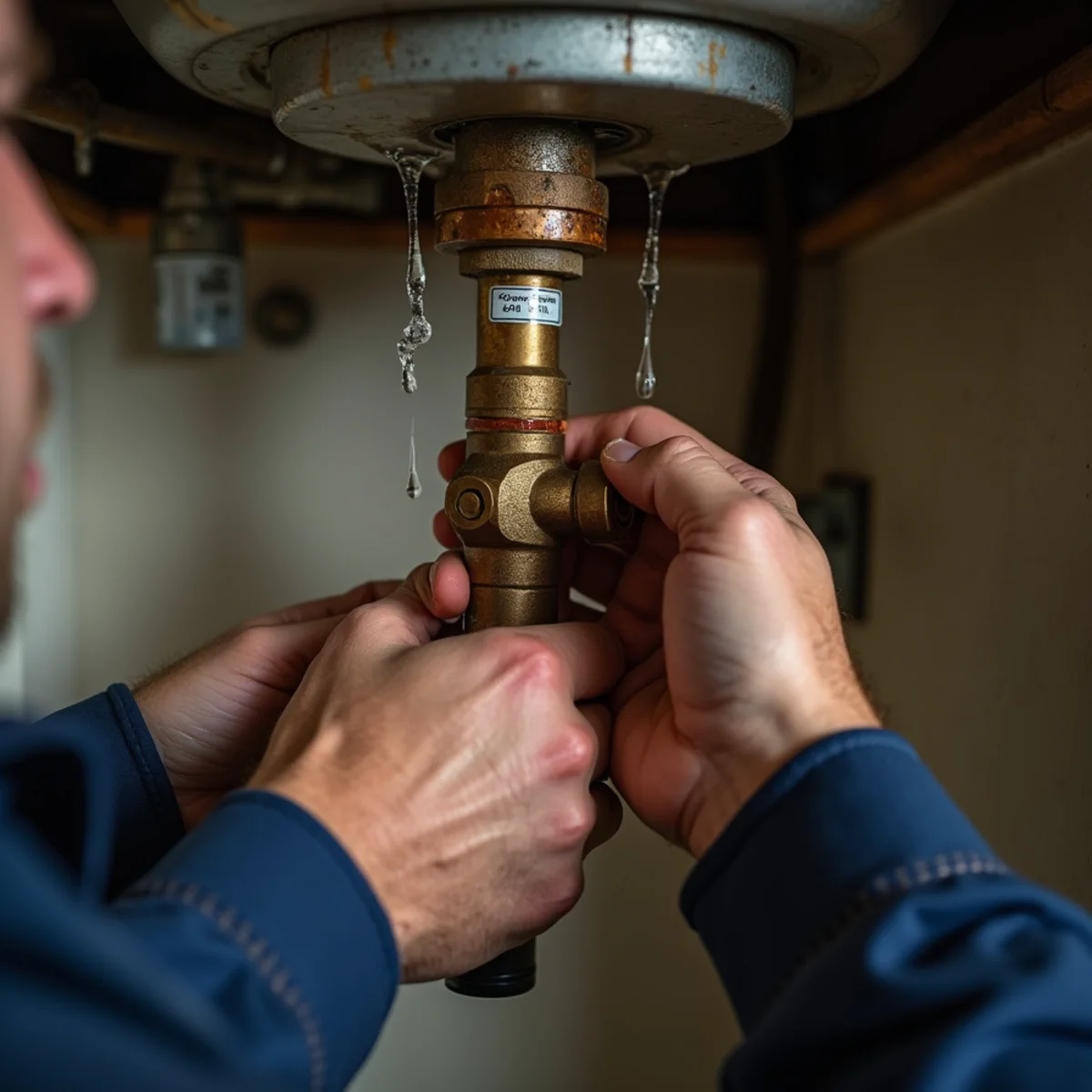
The dangerous leaks are the ones you cannot see. A pipe behind a wall, under the slab, or beneath the floor can run for weeks, quietly soaking the structure and feeding mold, before it ever shows up as a visible stain. By the time you see the water, the damage is already spreading.
The upside is that hidden leaks are rarely truly silent. They leave a trail of small clues, and if you know what to listen and look for, you can catch one early. Three signs stand out because they are common, specific, and easy to miss.
Warm spots on the floor, a water bill that climbed for no reason, and the sound of running water when nothing is on. Any one of these is worth a closer look. Together, they are a strong signal.
Warm Spots on the Floor
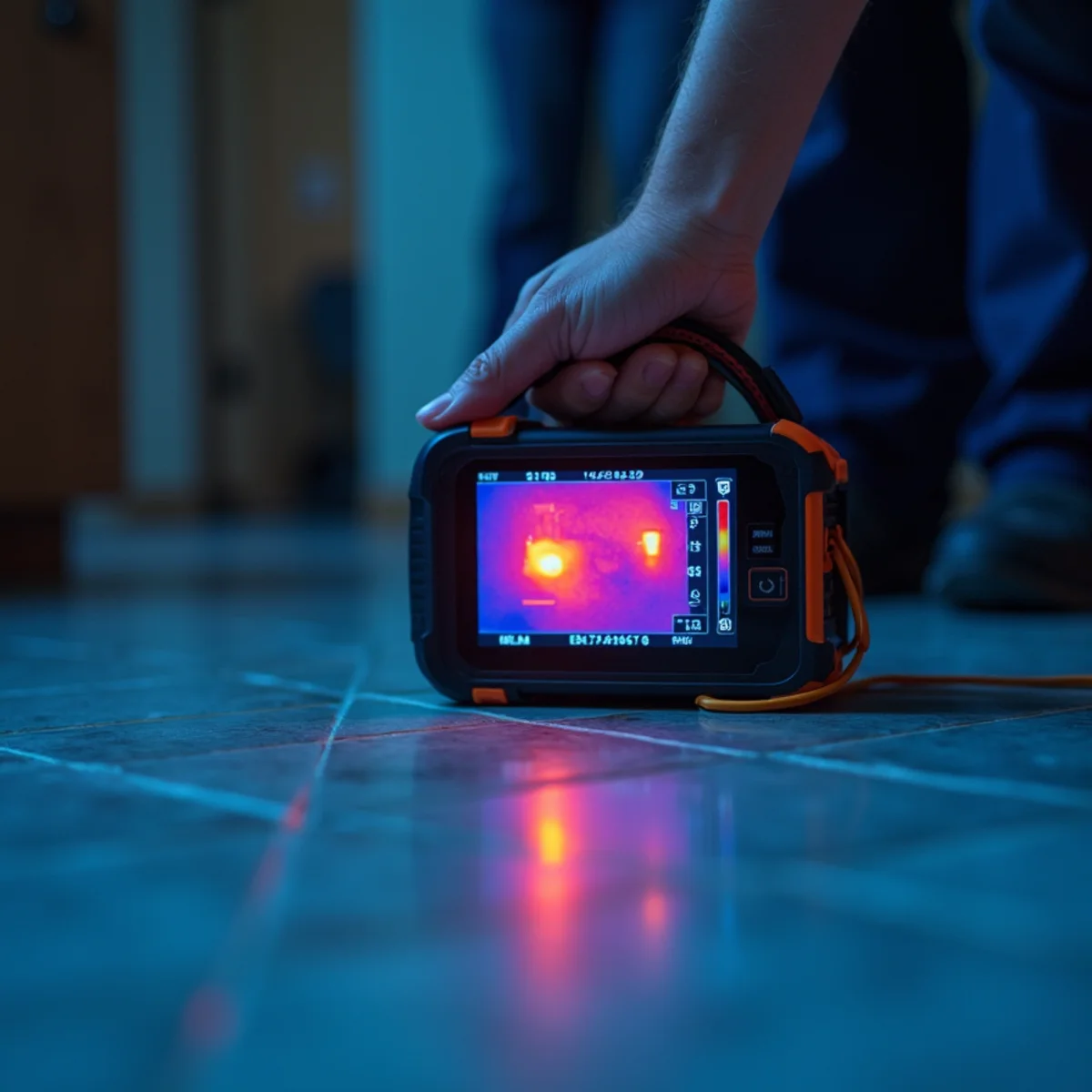
If a patch of your floor is warm underfoot with no reason to be, pay attention. That warmth is a classic sign of a hot-water line leaking under the slab. Heated water is escaping beneath the concrete and warming the floor above it.
You often notice it walking barefoot, a spot that is oddly warm compared to the floor around it, sometimes with a change in the flooring near it. It is easy to shrug off, but it is one of the most reliable indicators of a slab leak on the hot-water side.
A warm spot rarely appears without a cause. If you feel one, it is worth checking your water meter and getting the line looked at before the leak damages the flooring and framing above it. The warmth can be subtle, so the easiest way to notice it is with bare feet on a cool morning, when the difference between the warm patch and the floor around it stands out most.
A Water Bill That Climbed for No Reason
Your water bill is a leak detector you already pay for. If it jumps and your usage has not changed, that extra water is going somewhere. A hidden leak is one of the most common explanations for a bill that climbs without a clear cause.
The tell is a rise that does not match your life. No new occupants, no filled pool, no new landscaping, no season change that explains it, and yet the bill is up. A steady month-over-month climb is even more telling, because a growing leak uses more water over time.
Compare a few recent bills. A leak large enough to move your bill is large enough to be doing real damage where you cannot see it.
The Sound of Running Water
Sometimes a hidden leak is something you hear. In a quiet house with everything turned off, the faint sound of running or trickling water inside a wall or under the floor is a strong sign that a line is leaking.
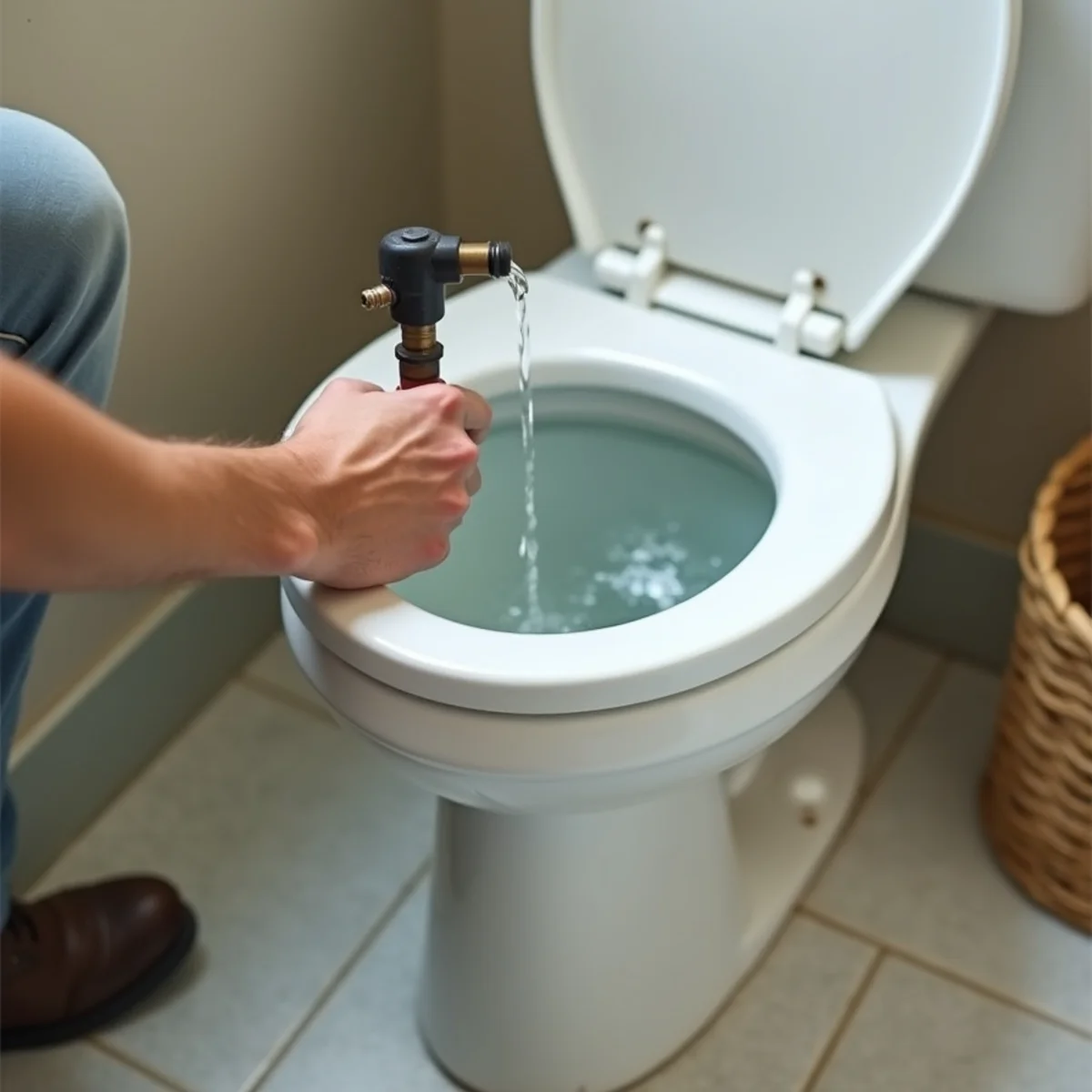
There is a simple test you can run to confirm an active leak. Turn off every water fixture and appliance in the house, then look at your water meter. If the meter is still moving with everything off, water is flowing somewhere it should not be. That is a hidden leak, confirmed.
This meter test is one of the first things we do too, because it confirms there is an active leak before we spend time locating it. If your meter moves with the water off, do not wait. A note on the sound itself: a faint hiss usually points to a pressurized supply line, while a slow trickle can mean a drain or a smaller seep. Either way, the meter tells you whether it is active.
Other Signs Worth Catching
Beyond the big three, a hidden leak often shows itself in smaller ways. None of these is proof on its own, but they add up, and they are easy to notice once you know to look.
We help homeowners across Rocklin track down these signs, including in Stanford Ranch, where slab-on-grade construction from the 1990s and 2000s makes under-slab leaks a recurring find.
- A persistent musty or damp smell with no visible source
- Low water pressure that developed gradually
- Unexplained damp or discolored spots on floors or walls
- Cracks appearing in flooring or the foundation
- A spike in your water heater running if a hot line is leaking
- Warm, humid, or clammy air in one part of the house
Is the Leak Inside the House or Out in the Yard?
Not every hidden leak is under your floor. In Rocklin, with larger lots and heavy irrigation, a good share of the water quietly escaping is outside, a cracked sprinkler line, a leaking hose bib, or the main supply line running from the meter to the house. Narrowing indoor versus outdoor early saves a lot of searching.
The meter helps here too. Find the shutoff valve where the main line enters the house and close it, then watch the meter. If it keeps moving with the house valve closed, the leak is on the supply line between the meter and that valve, which is outside. If it stops, the leak is somewhere inside. A patch of lawn that stays soggy or unusually green through a dry Placer County summer, or a bill that tracks your sprinkler schedule, points outdoors as well.
Find It Before It Spreads
A hidden leak does not get better on its own. It runs up your bill, soaks the structure, and eventually feeds mold. The earlier you find it, the smaller the repair and the less damage there is to undo.
Our leak detection uses acoustic listening, thermal imaging, and moisture mapping to pinpoint the source without tearing your home apart. If you are seeing any of these signs, call (201) 277-9344 and we will locate it precisely, then handle any damage it has already caused.
Need help right now in Rocklin? Our line is open 24/7.
(201) 277-9344Frequently asked
The clearest signs are a warm spot on the floor from a hot-water slab leak, a water bill that climbed with no change in usage, and the sound of running water when everything is off. Musty smells, gradual pressure loss, and unexplained damp spots are also common indicators.
Turn off every fixture and appliance that uses water, then check your water meter. If the meter is still moving with everything off, water is flowing somewhere it should not be, which confirms an active hidden leak. Call (201) 277-9344 and we will locate it.
Because it usually means a hot-water line is leaking under the slab, warming the concrete and the floor above it. It is one of the most reliable indicators of a slab leak. If you feel an unexplained warm patch, have it checked before it damages the flooring and framing.
Close the shutoff valve where the main line enters the house, then watch the water meter. If the meter keeps moving with that valve closed, the leak is on the supply line outside, between the meter and the house. If it stops, the leak is indoors. A soggy or unusually green patch of lawn in a dry summer also points outdoors.
It can. Water escaping under or beside a slab saturates the soil, and Rocklin's expansive clay swells and shifts as it wets and dries, which can stress the foundation and crack flooring. A slab leak left running is one of the more damaging hidden leaks for that reason. Call (201) 277-9344 and we will locate it before it reaches that point.
Related help from our team
Restoration Rocklin CA
IICRC-Certified Water Damage Restoration Team
We're a locally based, IICRC-certified water damage restoration team serving Rocklin and Placer County 24/7. Questions about your situation? Call (201) 277-9344.