
A practical winter storm prep checklist for Sacramento Valley homes: roof, plumbing, drainage, and a shut-off plan to have in place before the November rains arrive.
Rocklin gets a year of rain in five months — prepare now
Rocklin and the wider Sacramento Valley collect roughly 20 inches of rain a year, and almost all of it lands between November and March. When an atmospheric river stalls over the Sierra foothills, that water arrives in hours, not days. A home that shrugged off the summer can leak, flood, or lose a section of roof in a single storm.
The good news is that most winter water damage is preventable with a weekend of work in October. This checklist walks through the roof, plumbing, drainage, and the plan you want in place before the first big system. Do it once and you head into the wet season with far less to worry about.
Roof and gutters: your first line of defense
A roof that leaks under a summer sky is a minor annoyance. A roof that leaks in a January downpour floods your ceiling. Clear the debris, check the flashing, and look for the small failures now while it is dry and safe to be up there. If you are not comfortable on a ladder, hire it out. That cost is far below a ceiling repair.
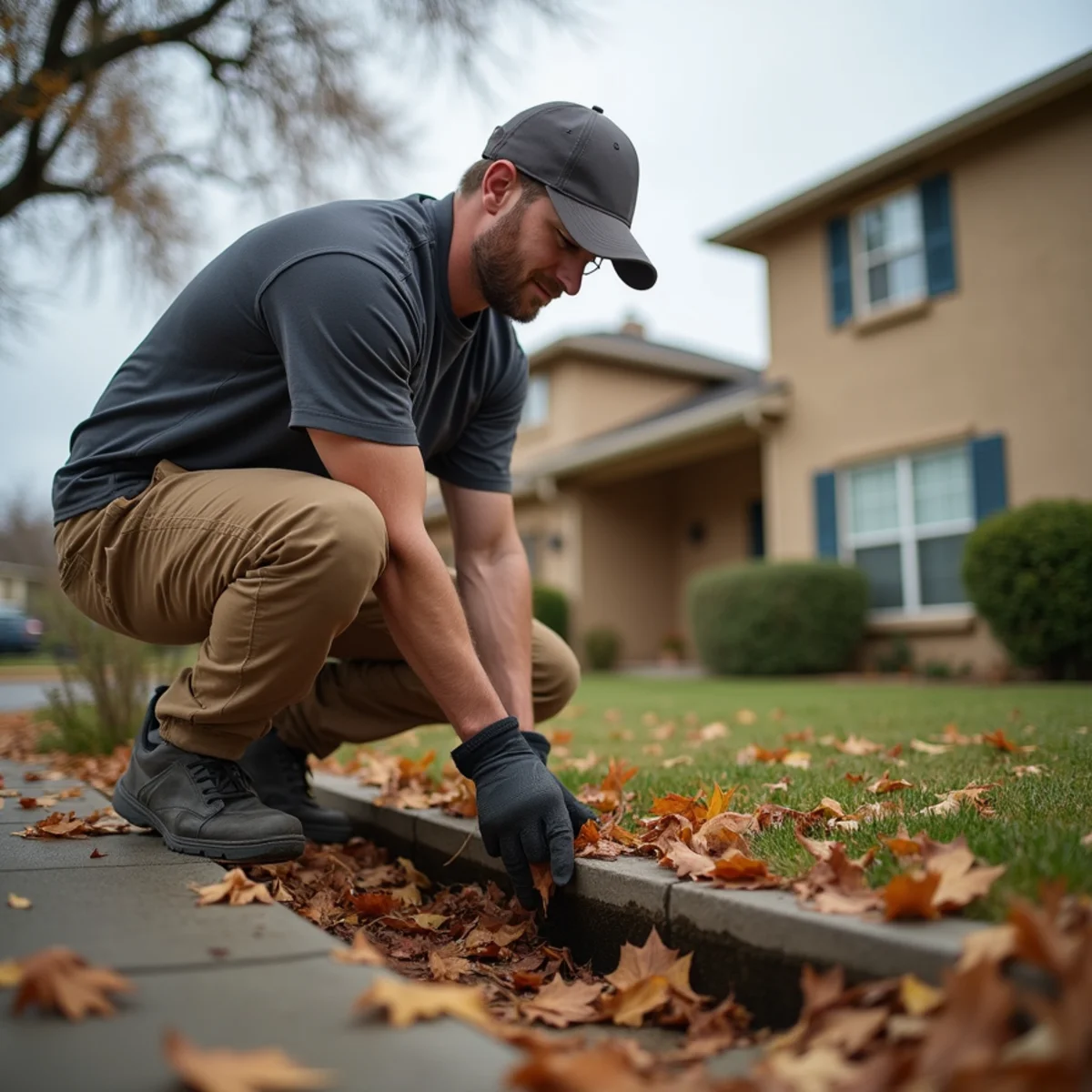
Gutters matter as much as the roof itself. A clogged gutter sends water straight down your siding and pools it against the foundation, where it finds the cracks. Ten minutes of cleaning saves you the headache of tracing a leak in the middle of a storm.
- Clear leaves, needles, and roof grit from all gutters and downspouts
- Look for missing, cracked, or curling shingles and have them replaced
- Check flashing around chimneys, vents, and skylights for gaps or rust
- Reattach loose gutter sections and confirm they slope toward downspouts
- Trim tree limbs that overhang or touch the roof
- Look in the attic for existing water stains or daylight through the deck
Plumbing and the foothill freeze
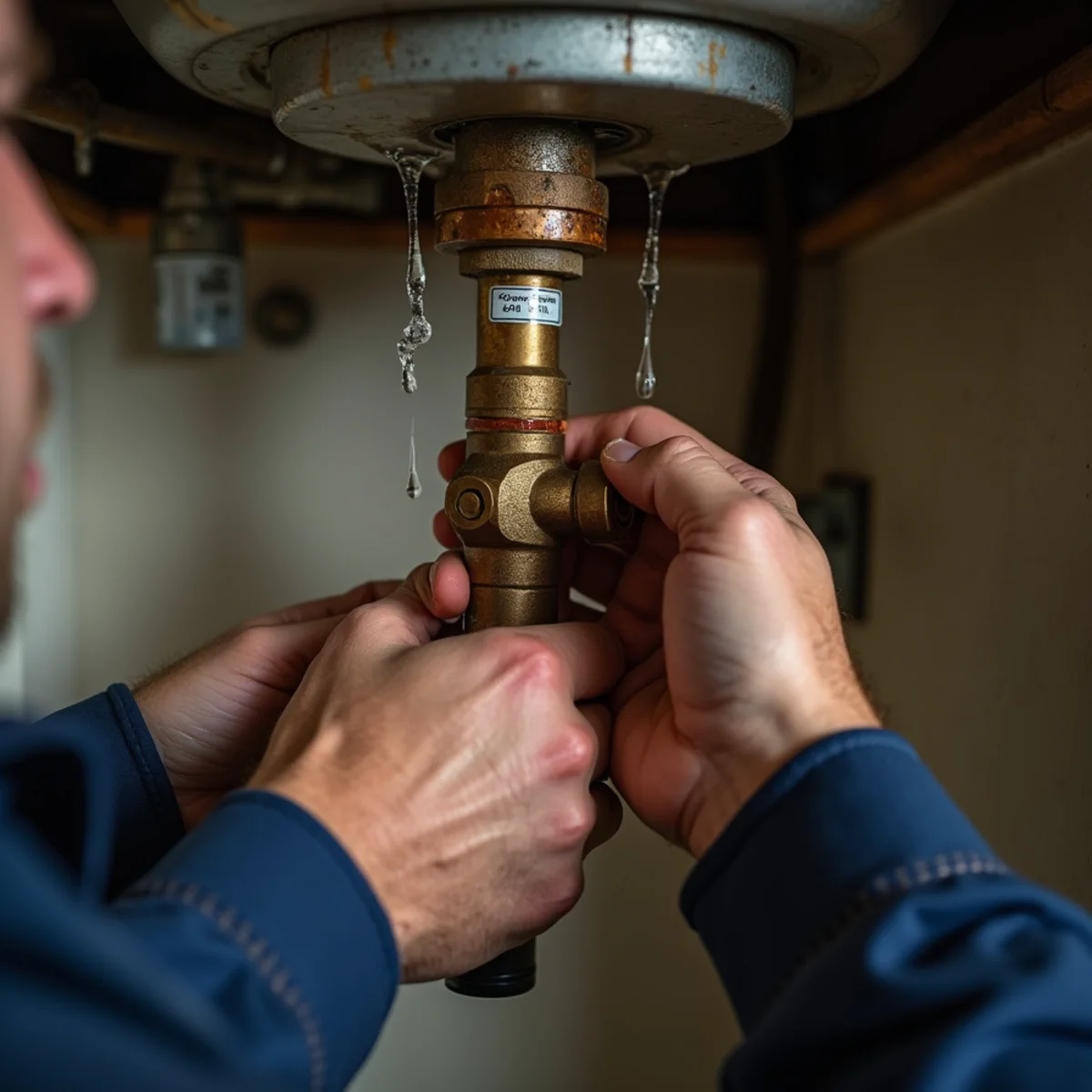
The Valley floor rarely freezes hard, but Rocklin sits on the edge of the foothills, and overnight lows dip below freezing several times each winter. Exposed pipes in garages, crawl spaces, and along exterior walls are the ones that burst. A single split supply line can put hundreds of gallons into your home overnight.
Now is also the time to confirm your water heater is safe and secured. California Health and Safety Code Section 19211 requires water heaters to be braced, anchored, or strapped to resist earthquake movement, with straps at the upper and lower third of the tank. A toppled heater tears its water and gas lines and floods the space it sits in, so this is worth checking before winter for more reasons than one.
- Insulate exposed pipes in the garage, crawl space, and along exterior walls
- Disconnect and drain garden hoses, and insulate outdoor spigots
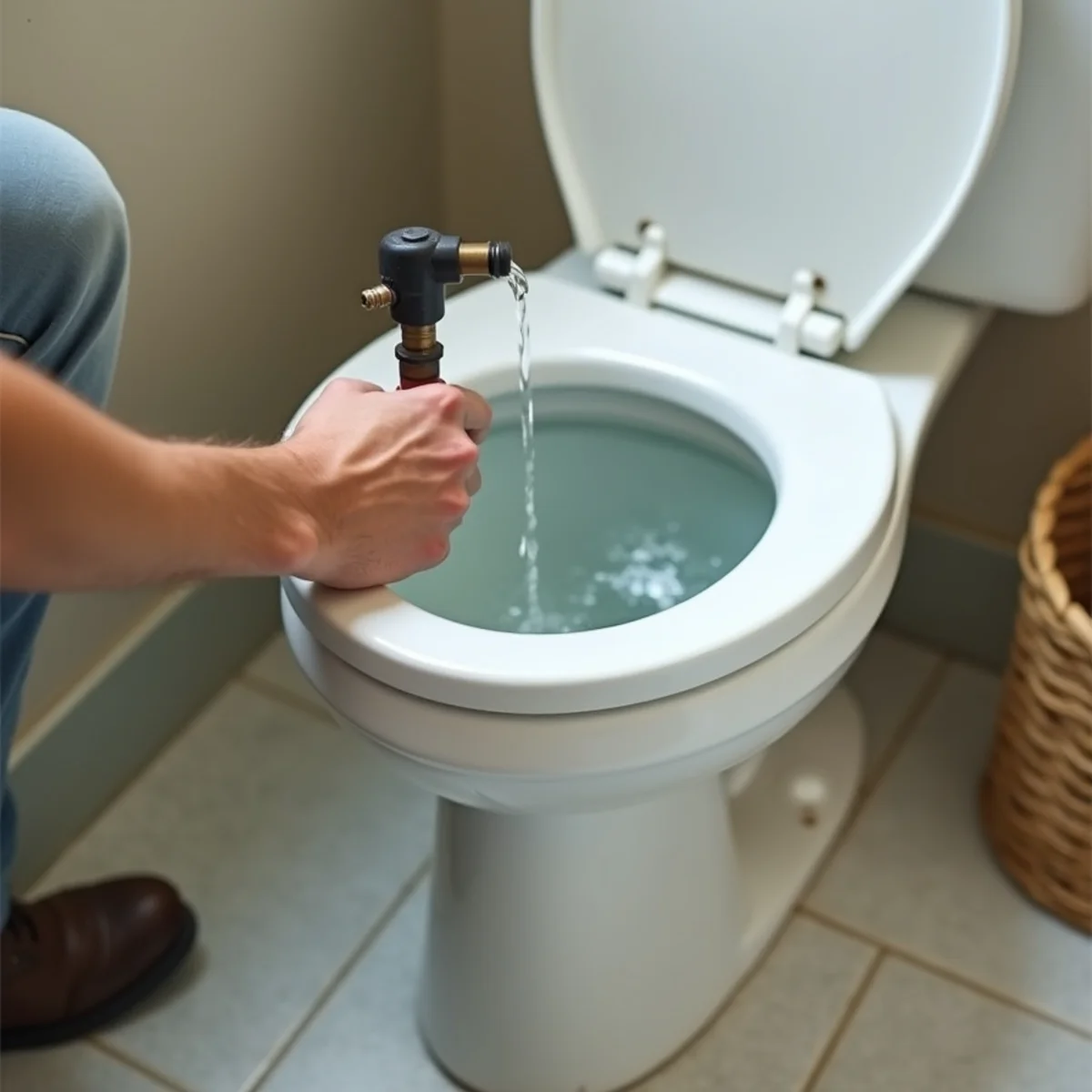
- Find your main water shut-off and confirm it turns freely
- Confirm your water heater is strapped top and bottom per Section 19211
- On nights below freezing, let a faucet drip and open sink cabinet doors
- Check the water heater and its connections for early rust or seepage
Move water away from the house
Water damage in a storm is usually a drainage story. Rain that lands on the roof and yard has to go somewhere, and if it pools against the foundation it will eventually come inside. Grade, downspout extensions, and clear drains do most of the work of keeping it out.
Walk your property in the rain if you can. Watching where water actually collects tells you more than any inspection on a dry day. Note the low spots and the places where water sheets toward the house.
- Extend downspouts at least 4 feet away from the foundation
- Clear yard drains, area drains, and the street gutter in front of your home
- Check that soil slopes away from the foundation, not toward it
- Test your sump pump if you have one, and confirm the backup works
- Seal obvious cracks in the foundation and around basement windows
- Keep sandbags on hand if your lot sits low or on a slope
Have a storm-day plan before you need one
When a storm is bearing down, you want a plan, not a scramble. Everyone in the house should know how to shut off the water, and you should have the numbers you would call saved before the power flickers.
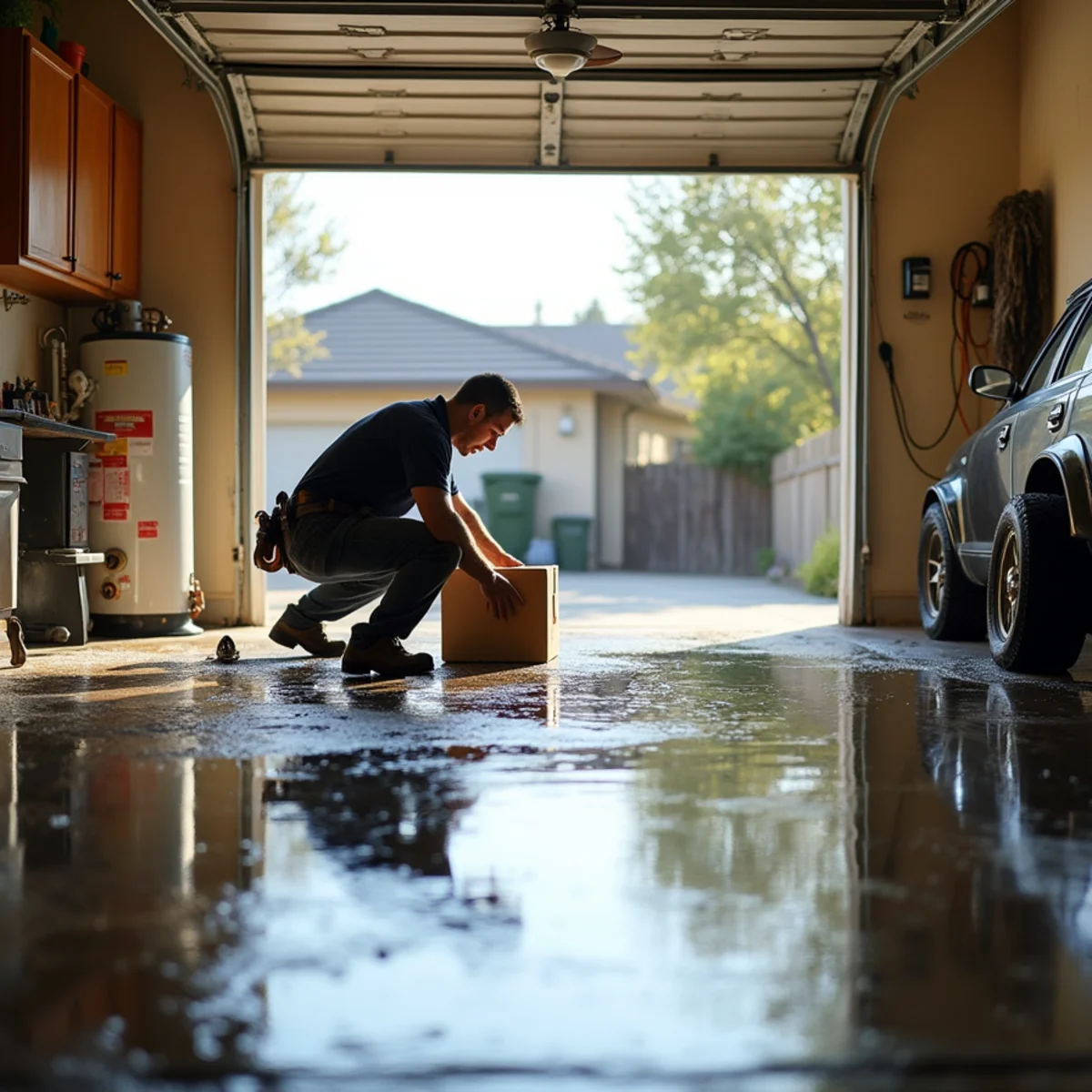
If water does get in, speed decides how much it costs. Mold can start within 24 to 48 hours, so the faster you extract and dry, the less you lose. That is where professional storm damage cleanup comes in. We stage crews and equipment locally so we can reach Rocklin and Roseville homes fast when a system rolls through.
What belongs in your winter storm kit?
A little gear kept in one spot turns a stressful night into a manageable one. When the power is out and rain is coming through a window, you do not want to be searching the garage for a flashlight or a bucket. Assemble a small storm kit in early fall so everyone in the house knows where it is.
Keep it near the door to the garage or in a hall closet, somewhere you can reach in the dark. Refresh the batteries each fall and confirm the flashlights still work. It costs almost nothing and saves you the scramble when a system actually hits.
- A working flashlight and spare batteries for every adult in the home
- A battery or hand-crank radio to follow storm and flood updates
- Towels, a mop, and a few buckets to catch and contain a leak
- A tarp and duct tape to cover a broken window or roof gap
- Your water shut-off tool and a card showing where the valve is
- A printed list of emergency numbers, including your restoration company
When the storm wins anyway, call us
Even a well-prepared home can take on water in a bad enough storm. If it happens, get help moving immediately, because the first hours matter most.
Restoration Rocklin CA runs 24/7 storm response across Rocklin and Placer County with IICRC-certified, licensed and insured crews. Call (201) 277-9344 and we will dispatch the nearest team to extract the water, dry the structure, and document everything for your insurance.
Need help right now in Rocklin? Our line is open 24/7.
(201) 277-9344Frequently asked
Aim to be done by the end of October. The first significant storms usually arrive in November, and you want the roof, gutters, and drainage handled before the rain rather than during it.
Occasionally, yes. The Valley floor is mild, but foothill-edge neighborhoods see several nights below freezing each winter. Exposed garage and exterior-wall pipes are most at risk, so insulate them and let a faucet drip on the coldest nights.
Shut off the water source if it is internal, keep everyone away from standing water near electricity, and call for extraction right away. Call (201) 277-9344 for 24/7 response.
Yes. Fall is a good time to confirm what your policy covers and to photograph each room while everything is dry and intact. Sudden water damage from a burst pipe is usually covered, while outside flooding often needs separate flood insurance. Knowing the difference before a storm keeps a claim from becoming a surprise.
It is usually where the main line enters the house, near the front hose bib, in the garage, or at the meter box by the street. Turn the valve until the water stops, and make sure everyone in the house knows how. If a storm floods your home and you cannot find or reach it, call (201) 277-9344 and we will talk you through it.
Related help from our team
Restoration Rocklin CA
IICRC-Certified Water Damage Restoration Team
We're a locally based, IICRC-certified water damage restoration team serving Rocklin and Placer County 24/7. Questions about your situation? Call (201) 277-9344.