
Whitney Ranch's landscaping runs on miles of aging HOA irrigation pipe, and mature systems break. Here is why they fail, how the water reaches homes, and who typically pays.
Whitney Ranch's Landscaping Runs on Miles of Buried Pipe
Whitney Ranch is one of Rocklin's showcase master-planned communities, developed largely in the 2000s and 2010s with the manicured common areas that define that style — greenbelts, parkways, entry monuments, and landscaped medians. All of that greenery is kept alive by an extensive irrigation system: miles of buried pipe, valves, and sprinkler heads managed by the homeowners association.
Like any plumbing, that irrigation network ages. The systems installed when Whitney Ranch was built are now mature, and mature irrigation infrastructure starts to break. When it does, the water does not always stay in the common area — it can travel to the homes nearby.
For Whitney Ranch homeowners, it is worth understanding how these systems fail, where the water goes, and how responsibility typically gets sorted out.
Why Common-Area Irrigation Fails as It Matures
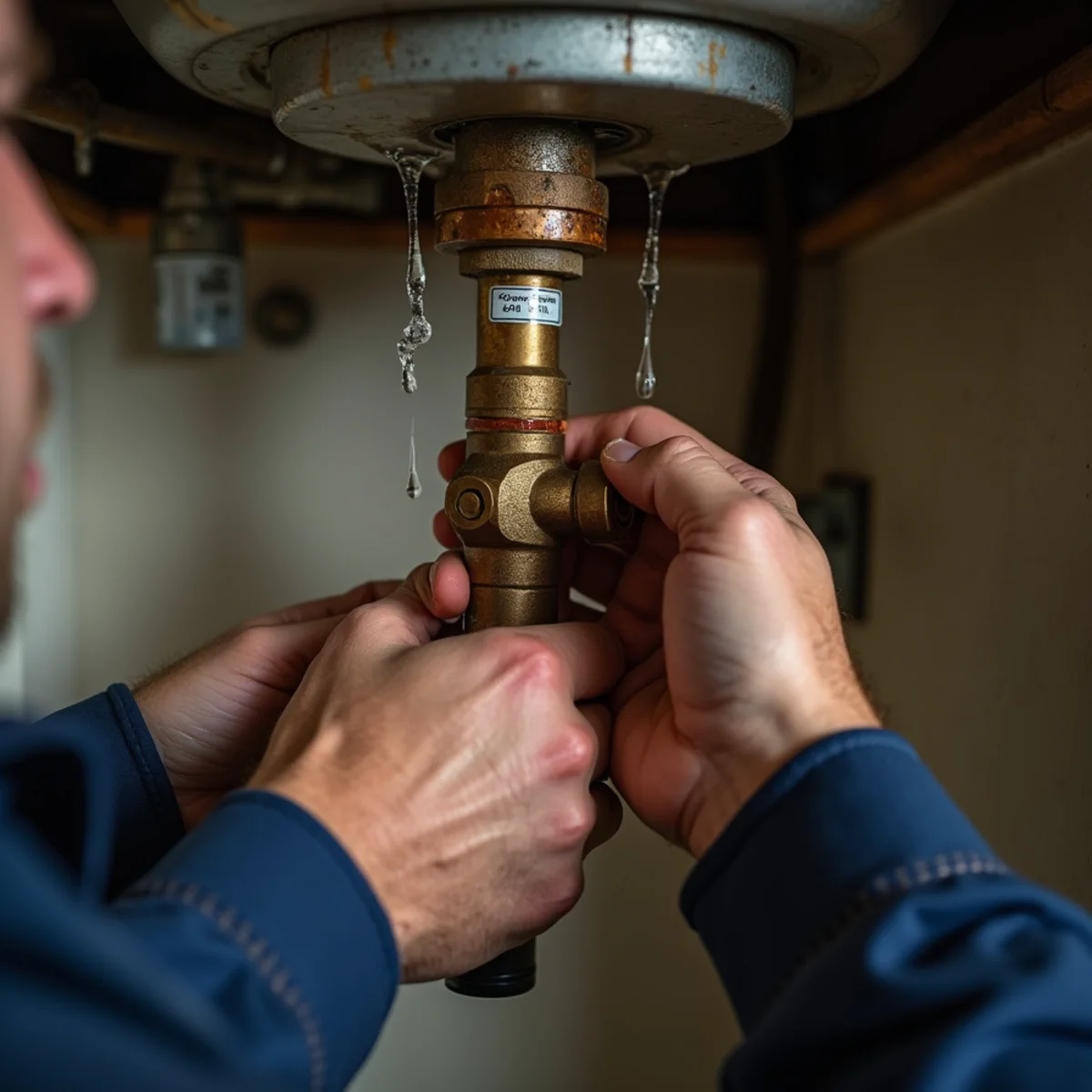
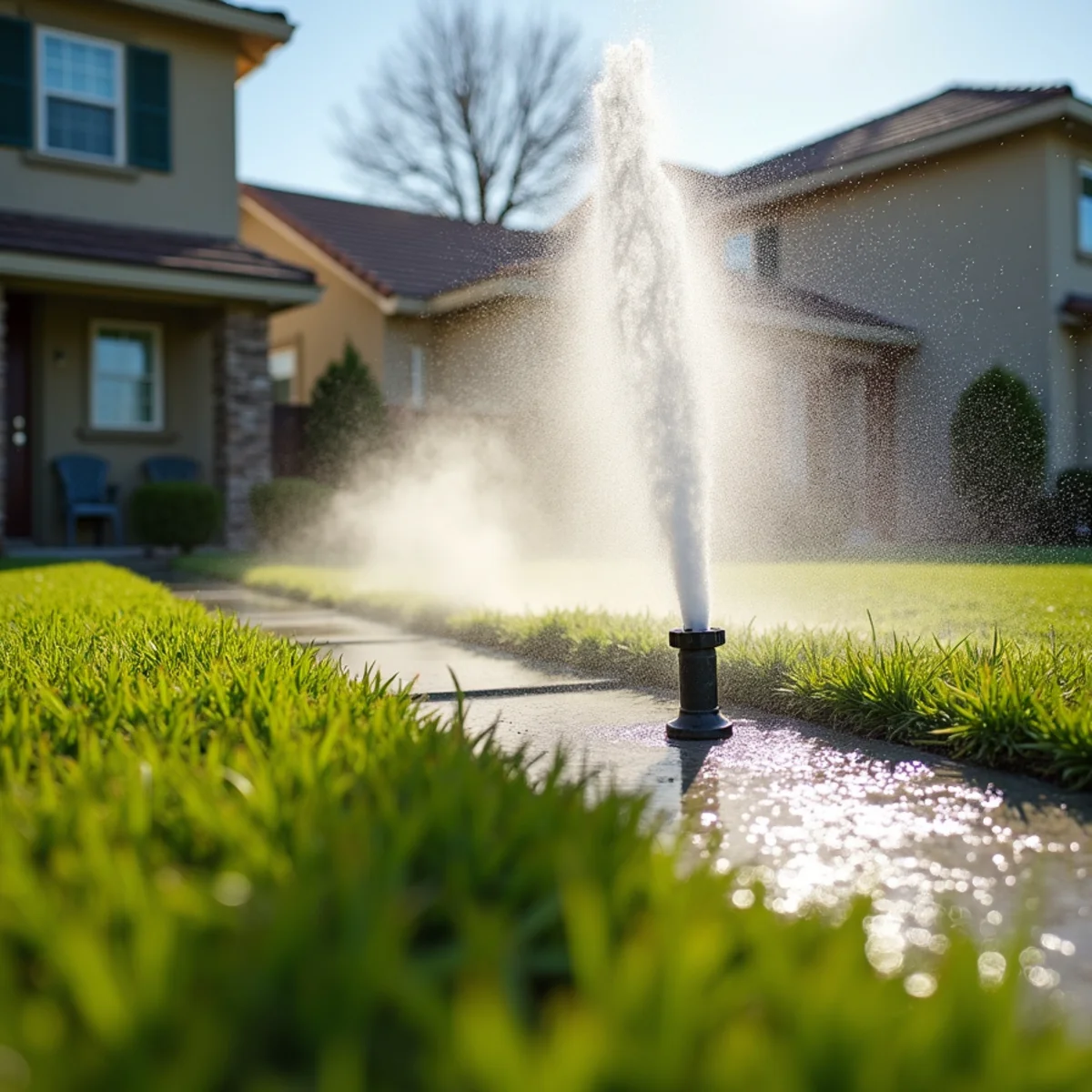
HOA irrigation systems are large, complex, and constantly pressurized during the watering season. Over years of use, several failure modes emerge. Buried PVC and poly lines become brittle and crack, especially where ground movement stresses them. Valves and fittings wear out. Sprinkler heads break off and leave open lines gushing. Controllers malfunction and run zones far longer than intended.
Our climate adds stress. Summers of 100-degree heat and dry, shifting soil work on buried pipe, and the systems run hard for months to keep landscaping alive in the heat. Then the winter rains saturate the same ground. The expansion and contraction cycle is hard on fittings and joints.
A mature system like Whitney Ranch's has hundreds of potential failure points, and as it ages, breaks become a question of when and where, not if.
How an Irrigation Break Becomes a Home's Problem
An irrigation break in a greenbelt might seem like the HOA's problem alone, and often it is. But irrigation systems run right up against homes — along side yards, behind fences, beside foundations. A cracked line or a stuck valve near a house can pump water toward the foundation for hours before anyone notices, especially if it runs overnight.
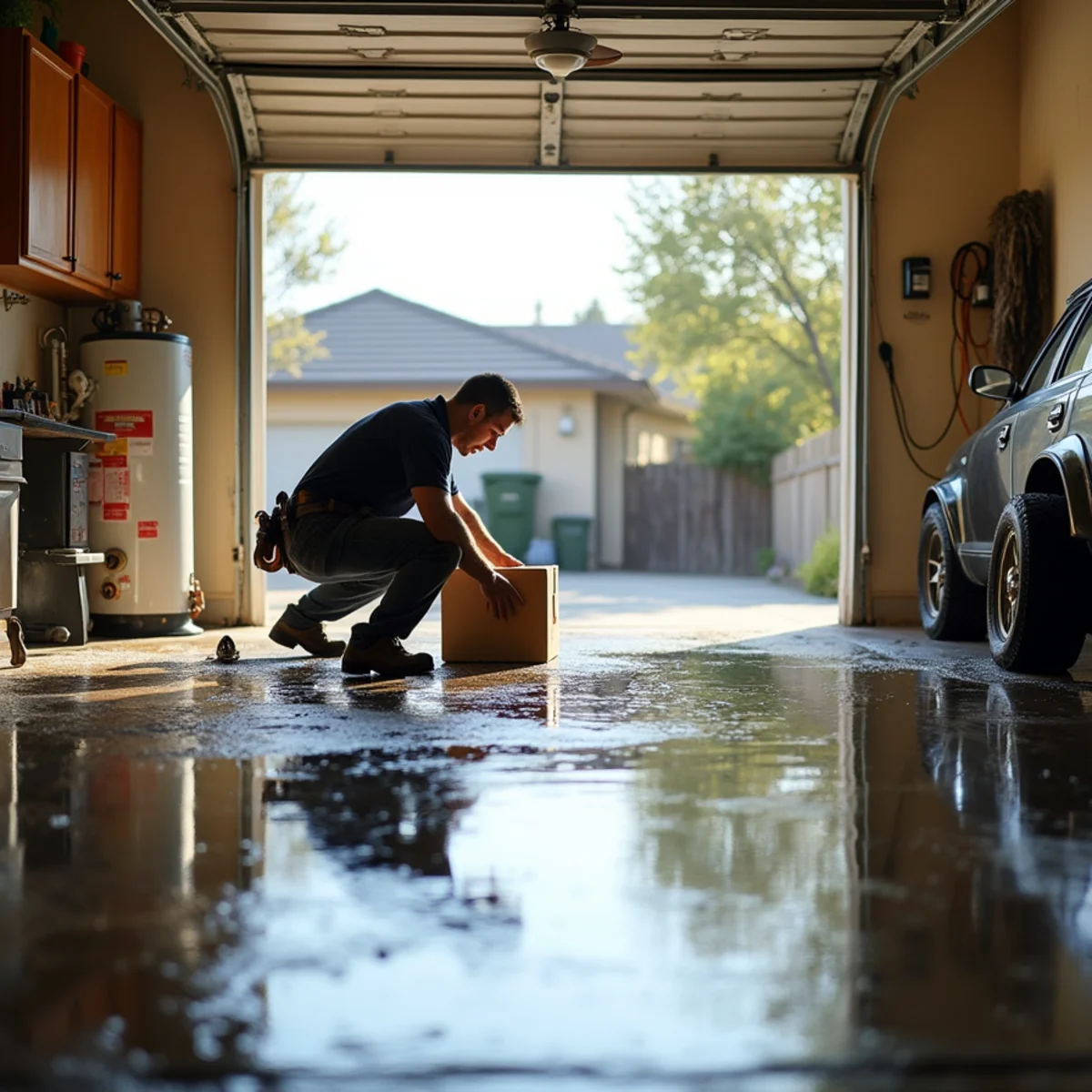
Water that saturates the ground against a foundation can find its way into a slab, a crawl space, or a garage. A broken line uphill from a home can send a steady flow downslope toward it. Because irrigation water runs on a schedule, a failure can dump water repeatedly, night after night, until the break is found and the zone shut off.
By the time a homeowner notices damp drywall or a wet garage, the source may be a common-area line they did not even know was there. By then the water has often been feeding into the ground for a night or more, which is exactly why irrigation-driven damage is so frequently discovered late.
Who Pays: HOA, Homeowner, or Insurance
Responsibility for irrigation-related water damage depends on where the failure occurred and what the governing documents and insurance policies say, so this is a general picture rather than legal advice. In broad terms, the HOA is typically responsible for maintaining and repairing common-area irrigation infrastructure, while individual homeowners are responsible for what is inside their property lines.
When a common-area line causes damage inside a home, the situation can involve the HOA's insurance, the homeowner's own policy, or both, and the details matter. Prompt documentation is what protects you: photos of the source, the water path, and the damage, plus dates and times. That record is what any insurer or association will want to see.
The practical priority, regardless of who ultimately pays, is to stop the water and dry the home fast. Sorting out responsibility takes time; limiting the damage cannot wait.
What to Do When Irrigation Water Reaches Your Home
Irrigation failures have a signature that sets them apart from other leaks, and recognizing it early saves both time and argument later. The water often appears on a schedule — a wet garage or a soggy side yard that shows up overnight and seems to dry, then returns the next time the zone runs. Because the source sits in the common area rather than inside your walls, it is easy to overlook until the damage is done.
If you suspect irrigation water is reaching your home, a clear-headed response protects both your house and your claim:
- Note the timing — irrigation failures often show up as water that appears overnight or on a schedule
- Photograph the source, the water path, and all damage before cleanup
- Report it to the HOA promptly so the zone can be shut off and the break repaired
- Do not wait to start extraction and drying while responsibility is determined
- Keep a record of dates, times, and who you notified
The Water Risk That Peaks in Summer, Not Winter
Most Rocklin water damage stories are winter stories, atmospheric rivers, creek flooding, and burst pipes in a cold snap. Irrigation failures break that pattern. Common-area systems run hardest in the dry months, when Whitney Ranch's landscaping needs the most water and controllers push zones through long cycles in 100-degree heat. That makes an irrigation flood one of the few water losses most likely to happen in July, not January, when a homeowner is least expecting water where it should not be.
The off-season timing works against early detection. A side yard that stays green and a little damp in summer looks normal, and a zone that runs before dawn can soak the ground against a foundation for hours while everyone sleeps. Because nobody is watching for water during a dry Rocklin summer, an irrigation break can feed a foundation for days before the damp drywall or musty garage finally gives it away. Knowing the risk runs year-round, and peaks in the heat, is half of catching it early.
Irrigation Flooding in Whitney Ranch? Call Us First
Whitney Ranch's landscaping is one of its best features, and the aging irrigation system behind it is a genuine water risk as it matures. When a common-area line sends water toward your home, the damage grows by the hour. Standing water needs to come out fast, before it wicks into drywall and subfloor.
The question of who ultimately pays can take weeks to resolve between the association, its insurer, and yours, and none of that process does anything to stop the water soaking into your framing. Those are two separate timelines. The claim can wait; the drying cannot. Homeowners who understand that distinction call for cleanup immediately and let the responsibility question sort itself out afterward, with a full photographic record already in hand.
Get the water out and the documentation started right away, and settle the who-pays question afterward. Our crews serve Whitney Ranch and all of Rocklin with fast water extraction and thorough drying, and we document everything for whatever claim follows. Call (201) 277-9344 the moment you find water where it should not be.
Need help right now in Rocklin? Our line is open 24/7.
(201) 277-9344Frequently asked
It depends on where the failure occurred and your governing documents and policies. Generally the HOA maintains common-area irrigation, and damage claims can involve the HOA's insurance, yours, or both. Document everything thoroughly.
Years of pressurization, heat, dry shifting soil, and winter saturation crack buried lines and wear out valves and heads. A mature system has hundreds of potential failure points.
No. Document the damage thoroughly, then start extraction and drying immediately. Waiting lets water spread and mold start. Call (201) 277-9344 for fast water extraction while you sort out the claim.
Yes, and summer is when it is most likely. Common-area systems run hardest in the dry months, so a cracked line or stuck valve can flood a side yard or foundation in July while everyone assumes water damage is a winter problem. Overnight cycles make it easy to miss.
Yes. Who pays for the repair and who dries your home are two separate questions on two separate timelines. Waiting for the association and its insurer lets water keep soaking into framing. Call (201) 277-9344 to start extraction now and settle responsibility afterward, with documentation in hand.
Related help from our team
Restoration Rocklin CA
IICRC-Certified Water Damage Restoration Team
We're a locally based, IICRC-certified water damage restoration team serving Rocklin and Placer County 24/7. Questions about your situation? Call (201) 277-9344.