
Mold remediation costs swing widely for real reasons. Here is what pushes the price up or down in a Sacramento Valley home, and how to keep it low.
Why Mold Quotes Vary So Much
Ask three companies about mold remediation and you can get three very different numbers, because a small contained patch and mold running through a wall system are entirely different jobs. Understanding what drives the cost lets you read an estimate instead of just reacting to it.
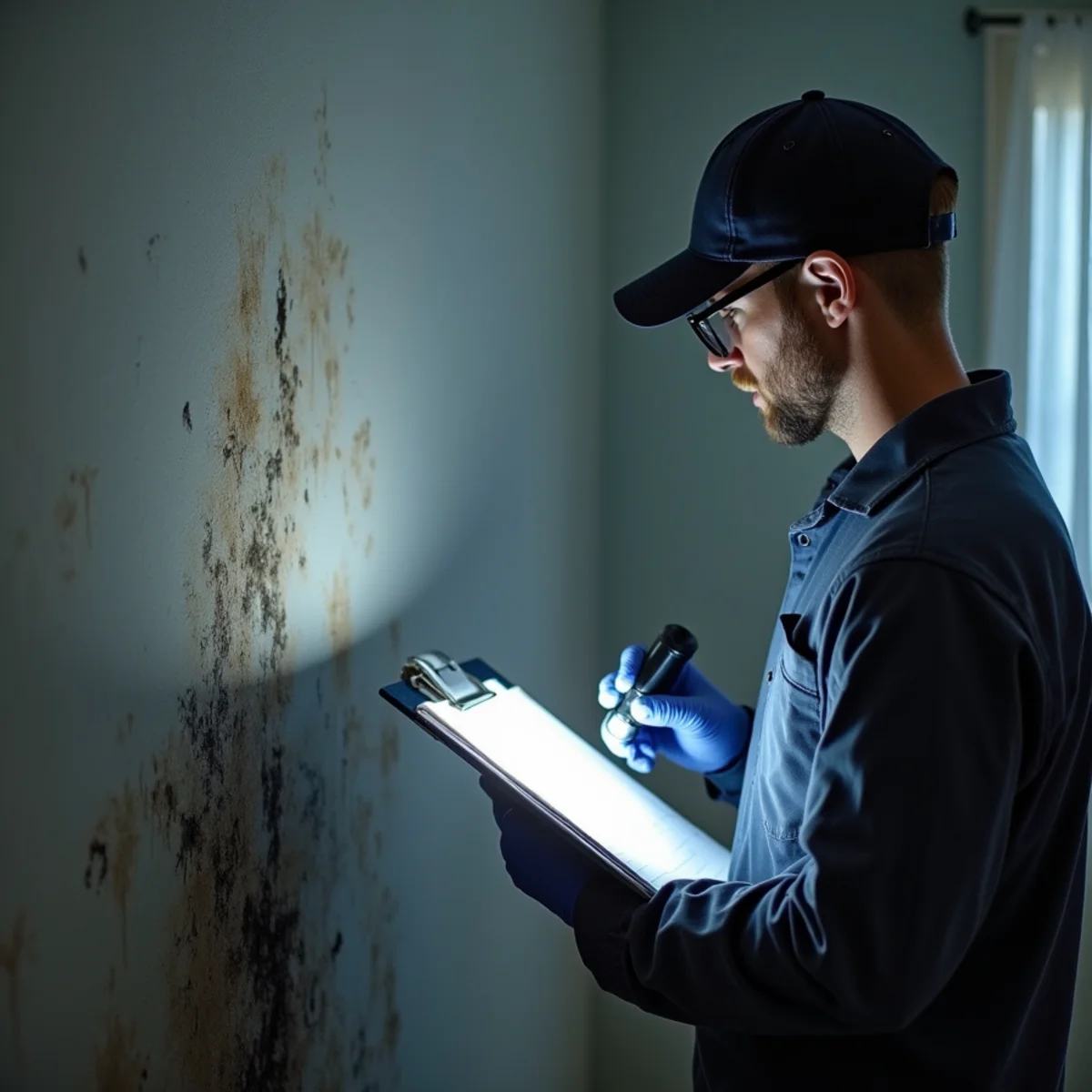
Mold pricing is often discussed per square foot of affected area, but that number moves a lot with how hidden the mold is, what it is growing in, and what caused it. The visible spots are rarely the whole story. A patch the size of a dinner plate on the surface of a wall is a small job. The same-size patch that is actually the leading edge of growth spreading through the cavity behind it is a much larger one. That is why a real estimate starts by finding the full extent, not by measuring what shows.
Here is what pushes a Sacramento Valley mold job up or down. If you suspect mold in a Loomis home or anywhere nearby, call (201) 277-9344 for an inspection before it spreads further.
Size and Location of the Growth
The first factor is simple: how much area is affected and where it is. A small patch on the surface of a bathroom wall is inexpensive to address. Mold that has spread across a large area, or into multiple rooms, scales the cost up accordingly.
Location matters as much as size. Mold on an accessible open wall is straightforward. Mold inside wall cavities, under subfloor, in the HVAC system, or in a crawl space is far more involved — it has to be reached, contained, and often rebuilt. Hard-to-access growth is where costs climb fastest.
This is why a professional inspection looks past the visible spotting to find the full extent. Pricing the patch you can see, while ignoring what is behind the drywall, leads to a low quote and an incomplete job.
- Square footage of the affected area
- Surface growth versus mold inside walls or HVAC
- Number of rooms and levels involved
- Crawl space and attic access difficulty
Fixing the Moisture Source
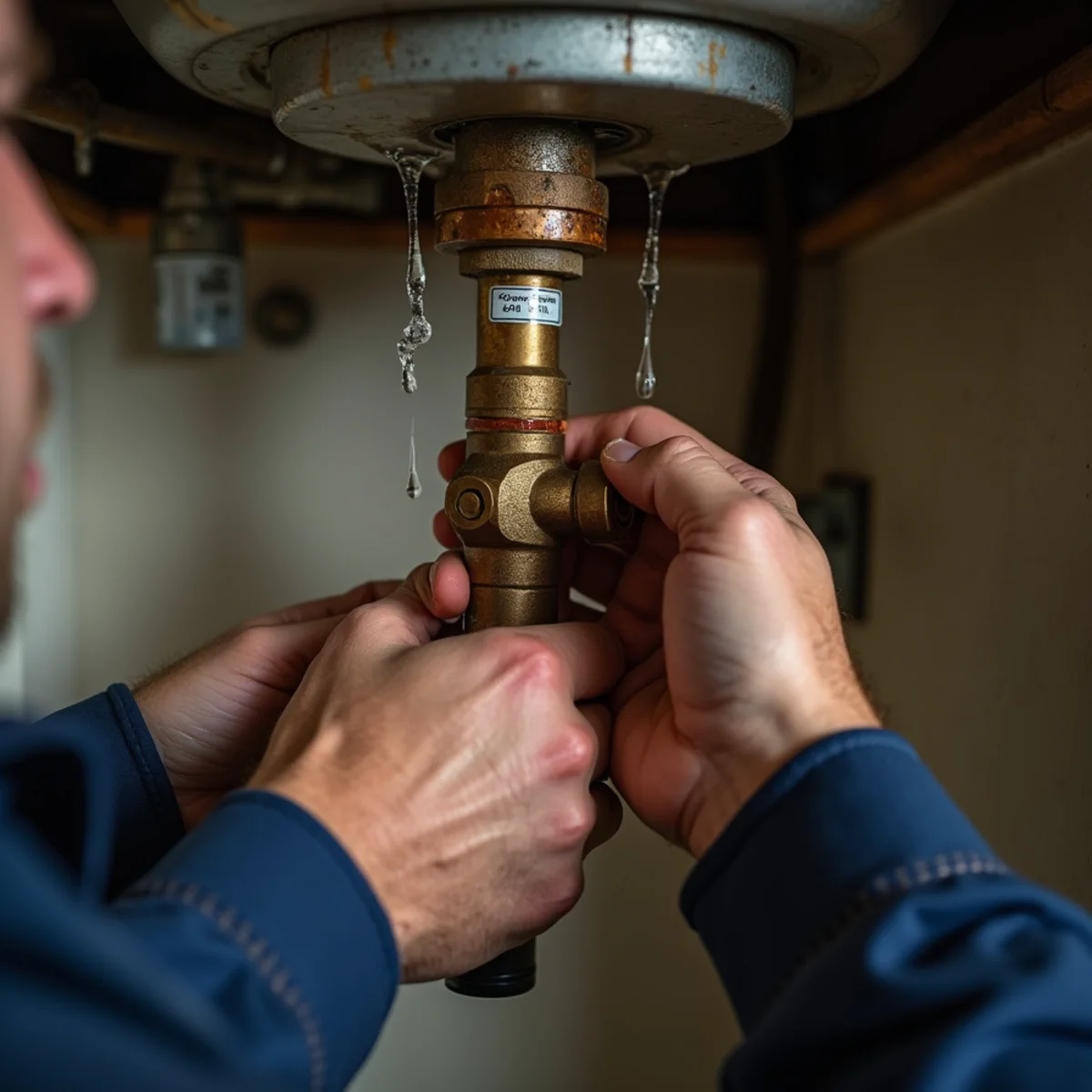
Mold is a symptom; moisture is the disease. Any legitimate remediation has to find and correct the water source, or the mold simply grows back and you pay twice. That source-correction is part of the cost — and skipping it is how cheap quotes become expensive failures.
How much this adds depends on the source. A simple fix, like correcting ventilation or a small leak, is minor. A hidden slab leak, a chronic roof leak, or a drainage problem can be a project of its own. The remediation and the repair are linked.
In Sacramento Valley homes, the usual culprits are wet-winter roof leaks, aging plumbing behind walls, and unaddressed water losses that were never dried properly. Correcting the real cause is what makes remediation last.
Containment, Removal, and Rebuild
Proper remediation is not just wiping mold off a surface. It requires sealing the work area with containment barriers and negative air pressure so spores do not spread, running HEPA air filtration, safely removing affected porous materials, and cleaning what stays. More extensive growth needs more containment and more filtration, which adds cost.
Then there is rebuild. If mold forced the removal of drywall, insulation, flooring, or trim, those materials have to be replaced. On a large job, the rebuild can rival the remediation itself. A small surface job may need little or no rebuild at all.
The severity of the removal is the biggest swing factor between a modest bill and a large one. The more that has to come out and go back, the higher the number climbs.
Testing, Air Quality, and What You Are Paying For
Part of a mold estimate is verification, and it is worth understanding. Pre- and post-remediation assessment confirms where the mold is and, afterward, that the area is actually clean. On larger jobs, third-party testing gives you documentation that the work succeeded — useful for peace of mind and for a future home sale.
Air filtration runs throughout a proper job. HEPA air scrubbers capture airborne spores so they do not settle in clean parts of the house, and that equipment and the time to run it are part of the cost. Cutting it is how a cheap job spreads mold instead of removing it.
The lesson across all of this: the lowest bid is not always the cheapest outcome. A quote that skips containment, air filtration, or fixing the moisture source leaves you paying again when the mold returns. Ask what a price includes, not just what it says at the bottom.
Does Homeowners Insurance Cover Mold Remediation?
Mold coverage is one of the most limited areas of a homeowners policy. As a rule, mold is covered only when it results from a sudden, covered water loss that you addressed promptly — a burst pipe you dried right away, for example. Mold that grew from a gradual leak, deferred maintenance, or humidity is treated as a preventable problem and denied.
Even when mold is covered, most policies cap it with a specific mold sublimit, often a few thousand dollars, well below the cost of a large remediation. Some homeowners add a higher mold endorsement for exactly this reason. The practical lesson connects straight back to cost control: drying a water loss fully and fast is not just cheaper than remediation, it is also what keeps the mold within the sudden-loss window your policy will actually pay on.
- Covered mainly when it follows a sudden, promptly addressed loss
- Denied when it grew from gradual leaks, neglect, or humidity
- Usually capped by a mold sublimit, often only a few thousand dollars
- A higher mold endorsement can raise that limit
How to Keep the Cost Down — Call Us
The cheapest mold job is the one you prevent by drying a water loss properly in the first place. Mold can start within 24 to 48 hours of water exposure, so fast, thorough drying after any leak is the single best way to avoid a remediation bill entirely.
If you already have mold, catching it early keeps it small and cheap. We provide mold inspection and remediation across Loomis and the Sacramento Valley — containment, safe removal, HEPA filtration, and correcting the moisture source so it does not return. Call (201) 277-9344 for an inspection.
Need help right now in Rocklin? Our line is open 24/7.
(201) 277-9344Frequently asked
Often per square foot of affected area, but the real drivers are how hidden the mold is, what it is growing in, the containment and filtration required, and how much material must be removed and rebuilt. Correcting the moisture source is part of the cost too.
Because mold is a symptom of moisture. If the leak, drainage issue, or trapped humidity stays, the mold grows back and you pay again. Legitimate remediation finds and corrects the source, which is why source repair is part of a real estimate.
Dry any water loss fully and fast. Mold can begin within 24 to 48 hours, so professional extraction and drying after a leak is the best prevention. If mold appears, catching it early keeps the job small. Call (201) 277-9344 for an inspection.
Only in limited cases — typically when the mold resulted from a sudden, covered water loss you addressed promptly, and usually capped by a mold sublimit of just a few thousand dollars. Mold from gradual leaks or neglect is excluded. Call (201) 277-9344 and we will document the water source that led to it.
A small contained area can be remediated in a day or two, while mold that spread through wall cavities or multiple rooms takes longer, especially once containment, removal, and rebuild are added. Correcting the moisture source is part of the timeline. We give a clear schedule after an inspection.
Related help from our team
Restoration Rocklin CA
IICRC-Certified Water Damage Restoration Team
We're a locally based, IICRC-certified water damage restoration team serving Rocklin and Placer County 24/7. Questions about your situation? Call (201) 277-9344.