
A burst washing machine hose can flood a laundry room in minutes. Follow these five steps to shut off the water and limit the damage fast.
Why a Small Hose Causes Big Damage
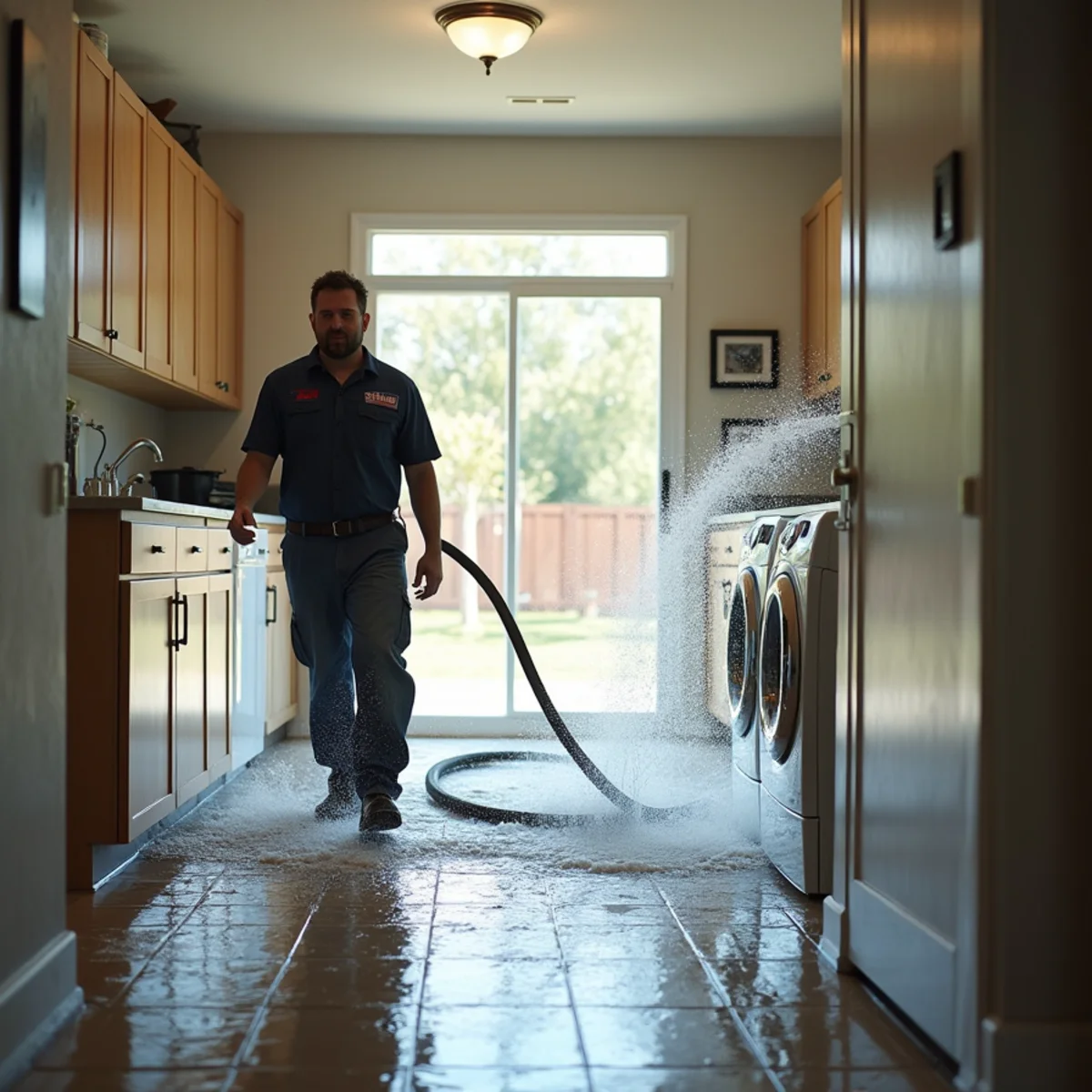
The rubber supply hoses behind a washing machine are one of the most common sources of household flooding, and they fail without warning. They are under constant pressure whether the machine is running or not, so a hose that lets go at 2 a.m. sprays water all night.
At full household pressure, a burst supply line can put out several hundred gallons an hour. If the laundry room is upstairs or shares a wall with living space, that water travels fast into rooms and the floor below. Overnight or while you are at work, that is the difference between a puddle and a ceiling coming down a floor below. The hose does not know you are away — it just keeps flowing until someone shuts the water off, which is why so many of these calls involve hours of undiscovered running water.
The five steps below stop the water and limit how far it spreads. When the water is off, call (201) 277-9344 and we will get a water extraction crew to your Rocklin home.
The 5 Steps, In Order
Do these in sequence. The first two stop the water; the rest limit the damage while you wait for help.
Speed matters more than tidiness here. Get the water shut off first, then worry about mopping and moving things.
If you cannot tell where the water is coming from, or the valves will not budge, do not waste time fighting them — go straight to the main shutoff. Stopping the water anywhere in the chain is what matters; you can sort out which valve failed once the flooding has stopped.
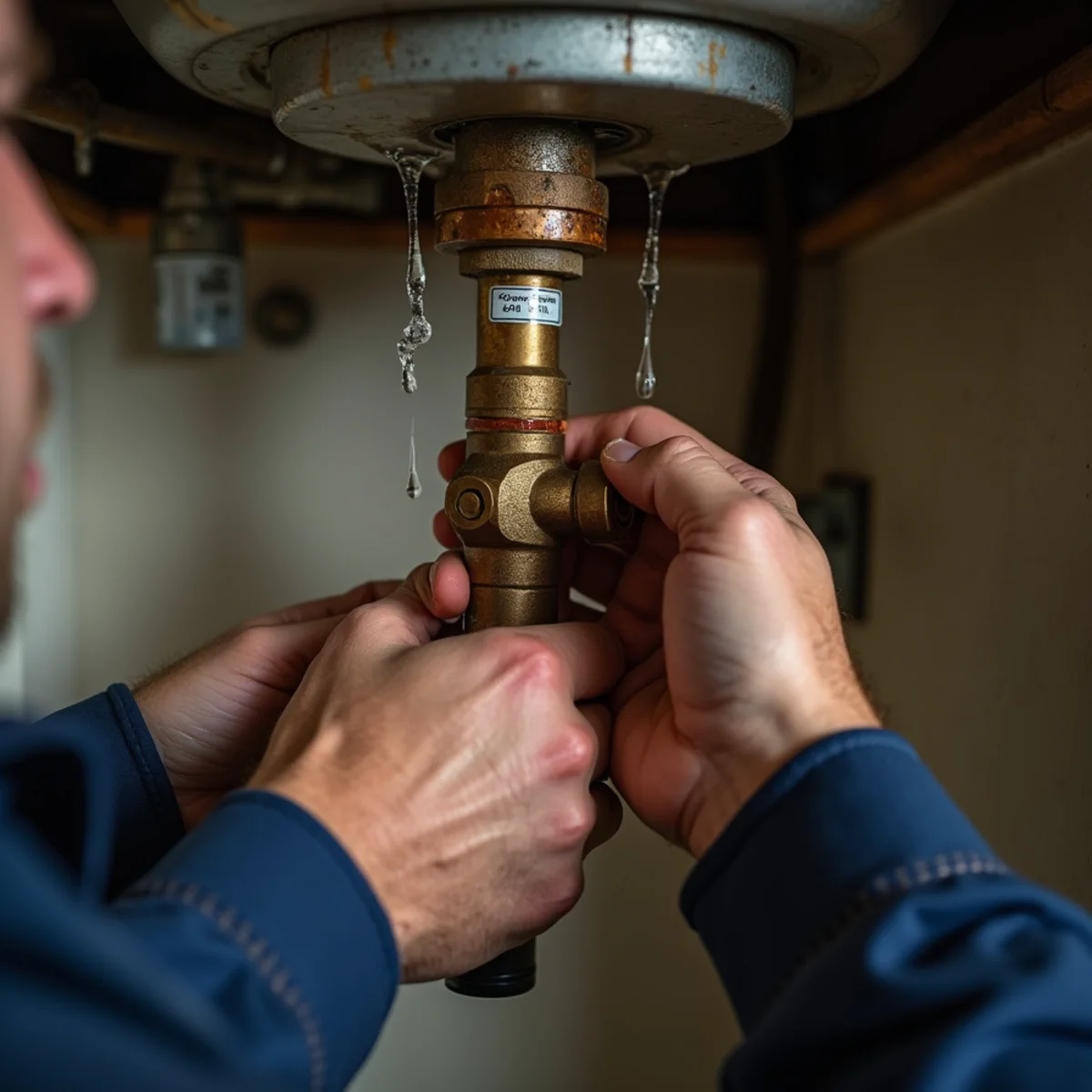
- 1. Shut the supply valves behind the machine — turn both the hot and cold valves clockwise until they stop.
- 2. If the valves are stuck or spraying, close the home's main water valve instead.
- 3. Unplug the washer only if you can reach the outlet without standing in water; otherwise cut power at the breaker.
- 4. Move laundry baskets, storage, and anything porous up and out of the water.
- 5. Photograph the burst hose and the flooding for your insurance claim before you start cleaning.
Get the Water Out Fast
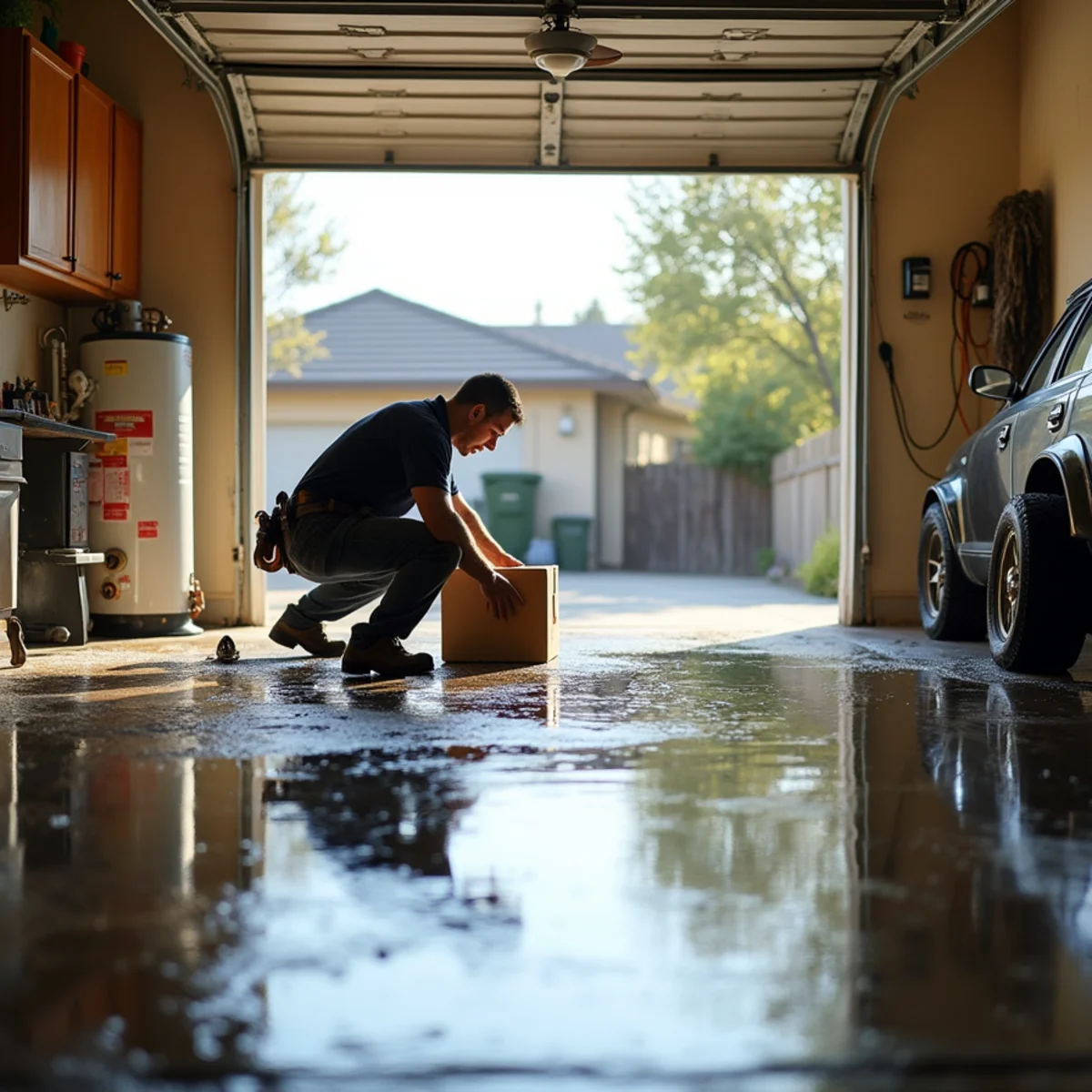
Once the source is off, the priority is extraction. Standing water on a laundry-room floor looks contained, but it has already traveled under the machine, under the baseboards, and into the wall base. Towels handle the surface; they do not touch what soaked into the structure.
Do not rely on a shop vac for anything more than a small spill. Household vacuums move a few gallons and only pull surface water. Professional extraction units draw water up out of the subfloor and pad, which is what decides whether your flooring survives.
In Stanford Ranch and similar Rocklin neighborhoods, second-floor laundry rooms are common, and a burst hose upstairs can drip through to the kitchen or living room ceiling below. Check the room beneath the laundry for staining right away.
Check Where the Water Traveled
Water follows gravity and the path of least resistance. From the laundry room it slips under thresholds into hallways, under cabinets, and down through gaps in the flooring to the level below. The wet floor you can see is usually the smallest part of the problem.
Pull the washer out if you can and look at the wall behind it and the flooring under it. Feel the baseboards in adjacent rooms — cool and soft means water reached them. Any of these areas will hold moisture long after the visible water is gone.
This hidden moisture is what feeds mold within 24 to 48 hours. We use moisture meters and thermal imaging to map the full spread so nothing gets left wet inside a wall or under a floor.
Stop It From Happening Again
The rubber supply hoses that come with most washing machines are a known weak point. They sit under constant pressure and degrade from the inside, and they are behind a large share of household floods. The fix is cheap: replace them with braided stainless steel hoses, which resist bursting far better and last much longer.
While you are back there, look at the hoses you have now. Cracking, bulging, blistering, or rust at the fittings all mean a hose is on its way out. Most manufacturers suggest replacing washing machine hoses about every five years regardless of how they look.
Two more habits help. Shut the supply valves off between loads if your setup makes it easy, or install a single-lever valve that closes both lines at once. And never run the washer when no one is home — a hose that lets go with the house empty can run for hours before anyone finds it.
Will Insurance Cover a Burst Washing Machine Hose?
A washing machine supply hose that lets go suddenly is a classic sudden-and-accidental loss, which standard homeowners policies typically cover — the water damage to your floors, walls, and the room below, not the two-dollar hose itself. The key word is sudden. If the hose burst without warning, you are usually in good shape.
Where claims run into trouble is evidence of neglect. If the failed hose was visibly cracked, bulging, or rusted at the fittings, an adjuster may argue the failure was gradual and preventable. Two things protect you: keep the burst hose rather than tossing it, and photograph it alongside the flooding. You are also required to mitigate — stop the water and start drying promptly — so documenting as you go, rather than waiting, keeps a covered loss covered.
- Sudden hose failures are typically covered; the hose itself is not
- Keep the failed hose as evidence for the adjuster
- Photograph the hose and the flooding before cleanup
- Mitigate promptly — delay invites a gradual-damage argument
Get Help Now
A burst washing machine hose is a sudden, accidental loss that homeowners insurance typically covers. The key is fast extraction and complete drying before the moisture wicks further and mold sets in.
Do not let the size of the spill fool you. A laundry-room floor that looked like a quick mop-up regularly turns out to have soaked the subfloor, the wall base, and the room below. Having the moisture properly mapped before you assume it is dry is what keeps a small loss small.
We provide rapid water extraction and structural drying across Rocklin, with a 60-minute response. Call (201) 277-9344 once the water is off. We will pull the water out, dry the structure to standard, and document the loss for your claim — and while you are at it, replace those rubber hoses with braided stainless steel so it does not happen again.
Need help right now in Rocklin? Our line is open 24/7.
(201) 277-9344Frequently asked
Turn the hot and cold supply valves behind the machine clockwise until they stop. If they are stuck or the line is spraying, shut the home's main water valve. Once the water is off, call (201) 277-9344 for extraction and drying.
You can sop up surface water, but the moisture that traveled under the machine, into the wall base, and through the floor needs professional extraction and drying. Left wet, it feeds mold within 24 to 48 hours.
Replace old rubber supply hoses with braided stainless steel lines, and consider a single-lever shutoff you can close between loads. Rubber hoses are a leading cause of household flooding because they fail under constant pressure.
The sudden water damage from a burst hose is usually covered, though the hose itself is not. Keep the failed hose and photograph it with the flooding so your claim clearly shows a sudden loss rather than a neglected one. Call (201) 277-9344 and we will document the damage as we dry it.
Check the ceiling directly below the laundry room right away. A burst hose upstairs drips through the floor and shows up as staining, sagging, or drips on the ceiling below, sometimes in the kitchen or living room. Catching two-level damage early keeps the repair from spreading.
Related help from our team
Restoration Rocklin CA
IICRC-Certified Water Damage Restoration Team
We're a locally based, IICRC-certified water damage restoration team serving Rocklin and Placer County 24/7. Questions about your situation? Call (201) 277-9344.