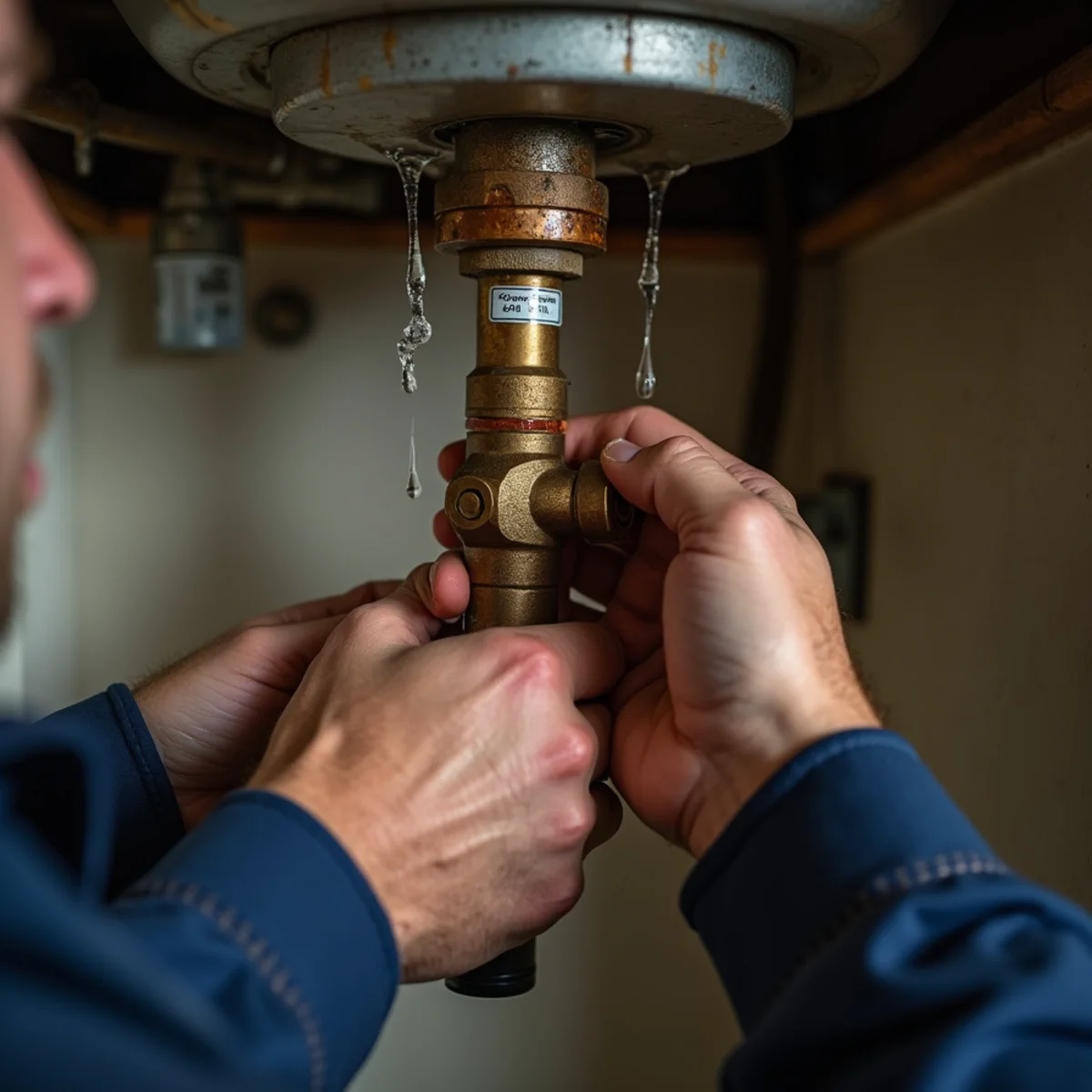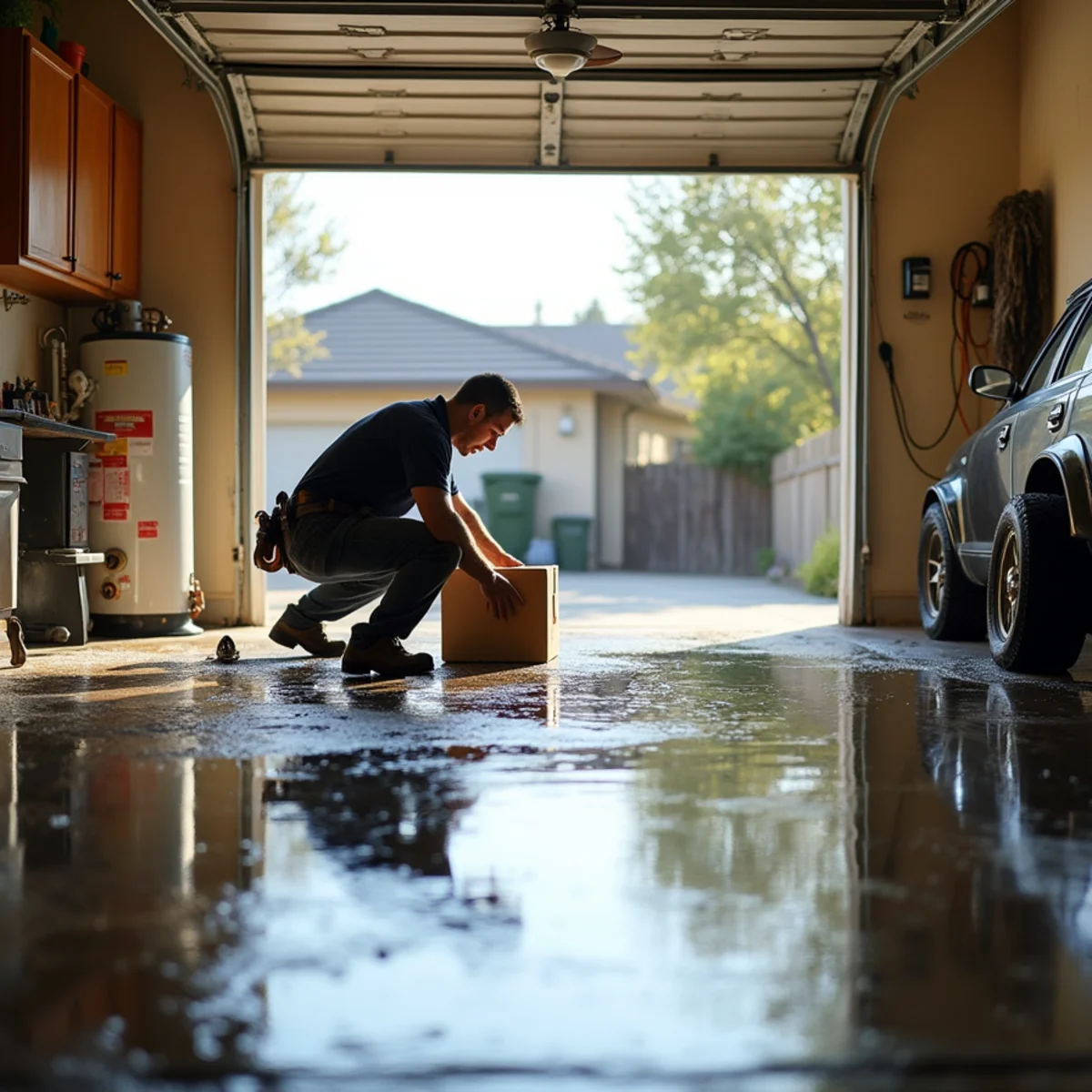

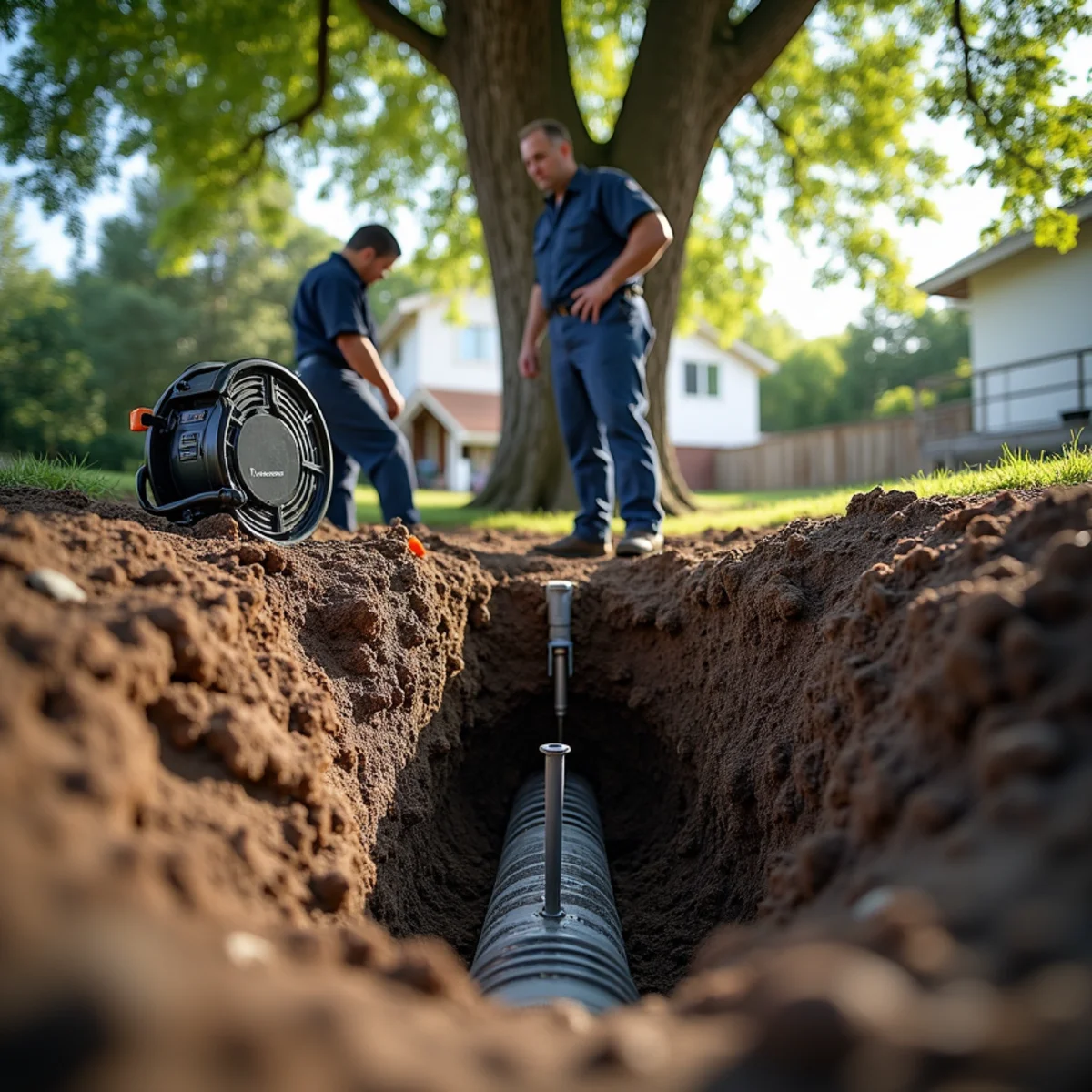
Tree roots invade a sewer line slowly, and then one day the whole thing backs up. Catch the early warning signs and you can deal with roots on your schedule, not theirs.
Roots Get Into Sewer Lines Slowly, Then All at Once
A sewer-line root intrusion is a slow-motion problem that ends in a sudden mess. Roots do not block a line overnight. They creep in through a small crack, grow inside, and gradually narrow the pipe over months or years. Then one ordinary day, the line clogs and sewage backs up into the house.
The good news is that the slow part leaves clues. The line usually tells you it is struggling long before it fails completely. Catching those signs lets you clear the roots on a scheduled visit instead of during a Category 3 backup emergency.
The bad news is that the clues are easy to dismiss one at a time. A slow drain here, a gurgle there. Read together, they are a warning.
Why Rocklin's Mature Trees Are the Culprit
Root intrusion is largely a problem of established neighborhoods, and much of Rocklin qualifies. Homes built in the 1980s and 1990s now have decades of landscaping, and those mature trees have root systems that have spread far underground in search of water.
A sewer line is exactly what a root is looking for. It carries water and nutrients, and even a tiny crack or a loose joint leaks enough moisture to attract roots from surprising distances. Once a root finds that seam, it grows toward the source.
We see this pattern often in older Rocklin areas like Twin Oaks, where large, well-established trees sit near the sewer laterals that run from each home to the main. The trees are an asset. The roots in the pipe are the price if the line is not maintained. The lateral is the homeowner's responsibility, not the city's, which is why staying ahead of it falls to you.
The Early Warning Signs
Roots announce themselves through how your drains behave. Individually these signs are easy to explain away. Together, and especially if they are getting worse, they point to a line that is narrowing.
If you notice several of these, it is worth having the line inspected before it fails.
- Multiple drains running slow at the same time, not just one fixture
- Gurgling sounds from toilets or drains when water runs elsewhere
- Repeated clogs that come back soon after being cleared
- A faint sewage or damp-earth smell near drains or in the yard
- Unusually green or fast-growing patches of lawn over the sewer line
- Toilets that bubble or drop in level when the washing machine drains
How Roots Get In
Understanding the mechanism helps you take the signs seriously. Sewer pipes, especially older clay and cast-iron lines, develop small cracks and loosen at the joints over time. Ground movement, which Rocklin sees with its expansive clay soils, speeds that up.
Water vapor escapes through those tiny gaps, and roots grow toward it. A hair-thin root enters the crack, then thickens inside the warm, nutrient-rich pipe. As it grows, it catches debris flushed down the line, and the blockage builds until flow stops.
This is why root problems compound. The intrusion damages the pipe further, which invites more roots, which catch more debris. Left alone, it moves in one direction toward a full backup. Grease, wipes, and other debris flushed down the line snag on the roots and speed the process, turning a partial blockage into a complete one faster than you would expect. What was a slow drain in spring can be a full backup by the first heavy-use holiday.
What to Do Before It Becomes a Backup
If the warning signs are showing, the move is to have the line inspected with a camera so you know what you are dealing with. A camera pushed down the line shows exactly where the roots are and how much of the pipe they have taken over, which turns guesswork into a plan. Roots can often be cleared, and the line can be assessed for whether it needs a spot repair or relining to keep them out.
Acting early keeps you out of the emergency entirely. But if a backup does happen, it is contaminated Category 3 water, and it needs certified handling. Our sewage cleanup crews make the home safe and coordinate the line repair so the root problem is actually solved, not just cleared until next season. Clearing alone leaves the crack that let the roots in, so they grow back, often within a year or two.
Clearing the Roots vs. Fixing the Pipe
There are really two separate jobs here: getting the roots out now, and keeping them out. To clear them, a mechanical auger cuts through the root mass, while hydro jetting uses high-pressure water to scour the pipe walls clean. Jetting removes more of the growth and buys more time before it returns. A foaming root treatment run through the line afterward slows regrowth at the pipe wall without harming the tree above.
Clearing alone is temporary, though, because the crack or joint that let the roots in is still there. The lasting fixes address the pipe itself: a spot repair at a single bad joint, trenchless pipe lining that forms a new seamless pipe inside the old one, or pipe bursting to replace a badly collapsed lateral. For Rocklin's older clay laterals, lining often keeps roots out for decades without digging up the whole yard.
Get Ahead of the Backup
Root intrusion is one of the few plumbing problems you can usually see coming. The slow drains and gurgles are your warning, and they give you the chance to deal with it on a scheduled visit instead of during a sewage emergency.
If your drains are showing these signs, do not wait for the backup. Call (201) 277-9344 and we will help you get ahead of it, and handle the cleanup safely if it has already happened.
Need help right now in Rocklin? Our line is open 24/7.
(201) 277-9344Frequently asked
The common signs are multiple slow drains at once, gurgling toilets, repeated clogs that return quickly, a sewage or earthy smell near drains or in the yard, and unusually green patches over the line. Several of these together, especially if worsening, point to root intrusion.
Not at first. Roots narrow the line gradually, which is why the early warning signs give you time to act. The emergency comes when the line finally blocks and sewage backs up. Catching it early lets you clear roots on a scheduled visit instead. Call (201) 277-9344.
Many Rocklin neighborhoods were built in the 1980s and 1990s and now have decades of mature landscaping. Those large root systems seek out the moisture leaking from small cracks in aging sewer laterals, and expansive clay soils that shift the pipes make those cracks more common.
If the pipe itself is not repaired, roots typically grow back within one to two years and the line needs clearing again. Hydro jetting usually lasts longer than a mechanical auger because it scours more of the growth off the pipe wall. Repairing or lining the pipe is what breaks the cycle so you are not clearing it on repeat.
A snake or auger cuts a hole through the blockage, which restores flow but leaves much of the root and buildup on the pipe wall. Hydro jetting uses high-pressure water to scour the entire inside of the pipe, so it removes far more and stays clear longer. For root intrusion, jetting is usually the more thorough choice. Call (201) 277-9344 to discuss your line.
Related help from our team
Restoration Rocklin CA
IICRC-Certified Water Damage Restoration Team
We're a locally based, IICRC-certified water damage restoration team serving Rocklin and Placer County 24/7. Questions about your situation? Call (201) 277-9344.