
A ten-minute monthly leak inspection you can do with a flashlight: every place water hides in your home, from under sinks to the water meter at the street.
Ten minutes a month beats a five-figure surprise
Most serious water damage does not start with a dramatic burst. It starts with a slow drip that ran for weeks behind a cabinet or under a slab. By the time a stain appears on the ceiling, the leak has already soaked the framing and maybe started mold. The fix is boring and effective: look for it, on a schedule.
This inspection takes about ten minutes and needs no tools beyond a flashlight and a dry paper towel. Do it on the first of the month. Once you know the route, it becomes a habit, and it is the single best way to catch a leak while it is still cheap to fix.
Under every sink and behind every appliance
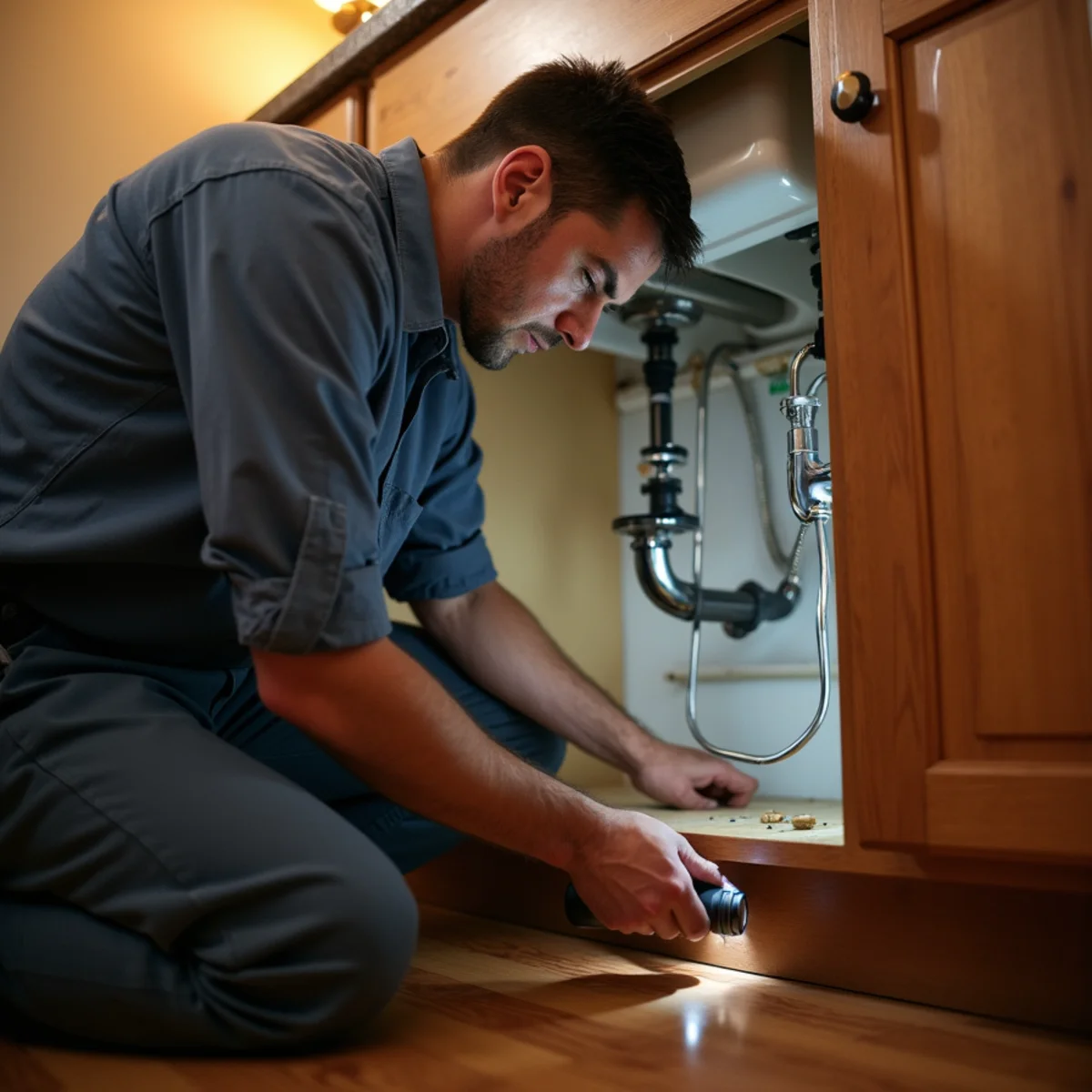
Start with the plumbing you use most. Open the cabinets under the kitchen and bathroom sinks and run your hand along the supply lines and the trap. You are feeling for damp, looking for corrosion or white mineral crust, and checking the cabinet floor for stains or a swollen, soft spot.
Then the appliances. The dishwasher, refrigerator ice maker, and especially the washing machine all connect with hoses that fail. A rubber washing-machine hose is one of the most common causes of a flooded home, and it usually gives warning, a bulge or a crack or a bit of rust at the coupling, before it lets go.
- Feel the supply lines and shut-off valves under every sink for moisture
- Look for corrosion, mineral crust, or drips at each connection
- Check the cabinet base for water stains, warping, or a musty smell
- Pull the washing machine out and inspect both hoses for bulges or cracks
- Check the dishwasher base and the fridge water line where it meets the wall
- Wipe connections dry and recheck in a minute to catch slow weeping
The water heater, toilets, and the rooms people forget
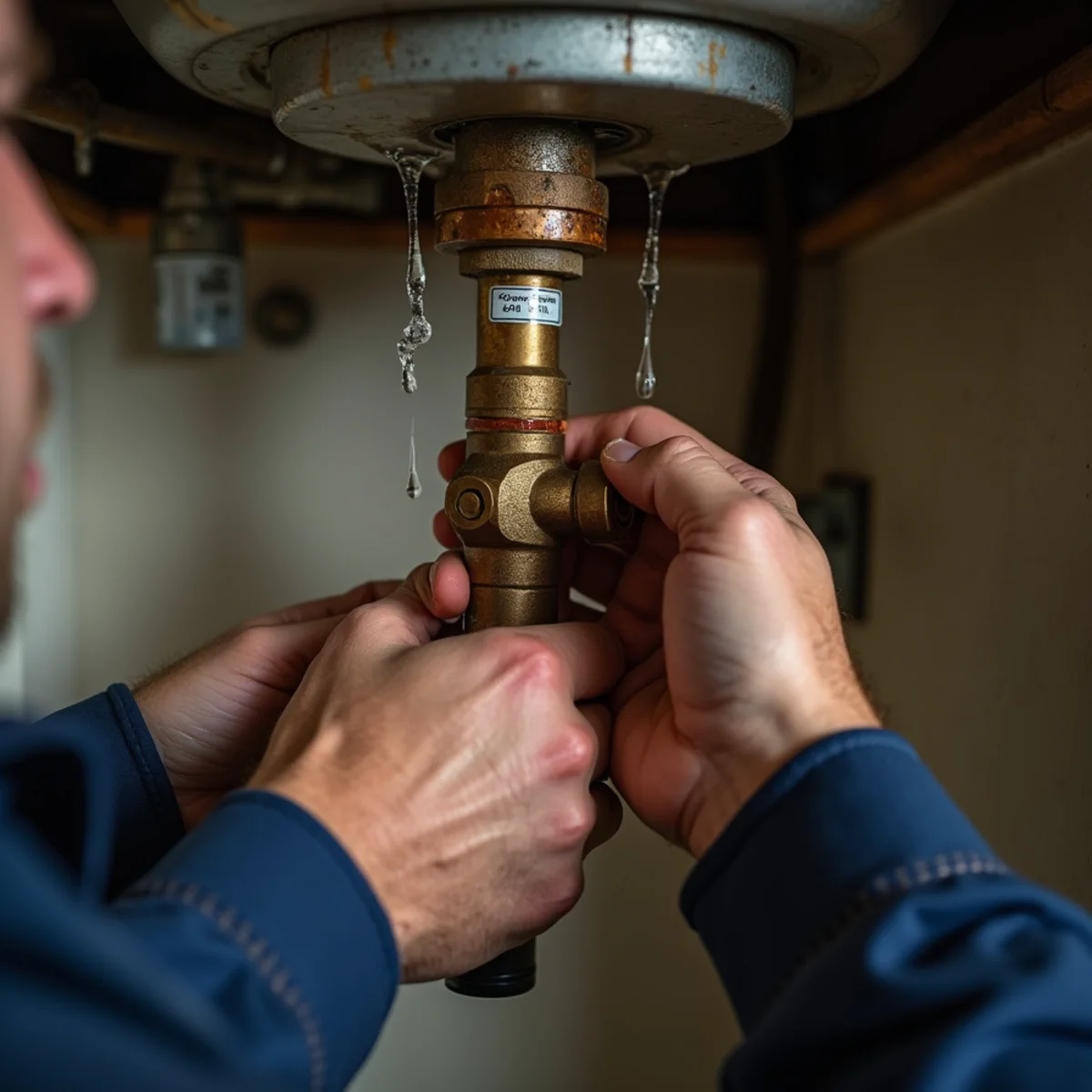
The water heater is the appliance most likely to fail catastrophically, and it almost always leaks a little first. Look at the base of the tank for rust and water, check the temperature-and-pressure valve and the connections on top, and note the unit's age. Most tanks last 8 to 12 years.
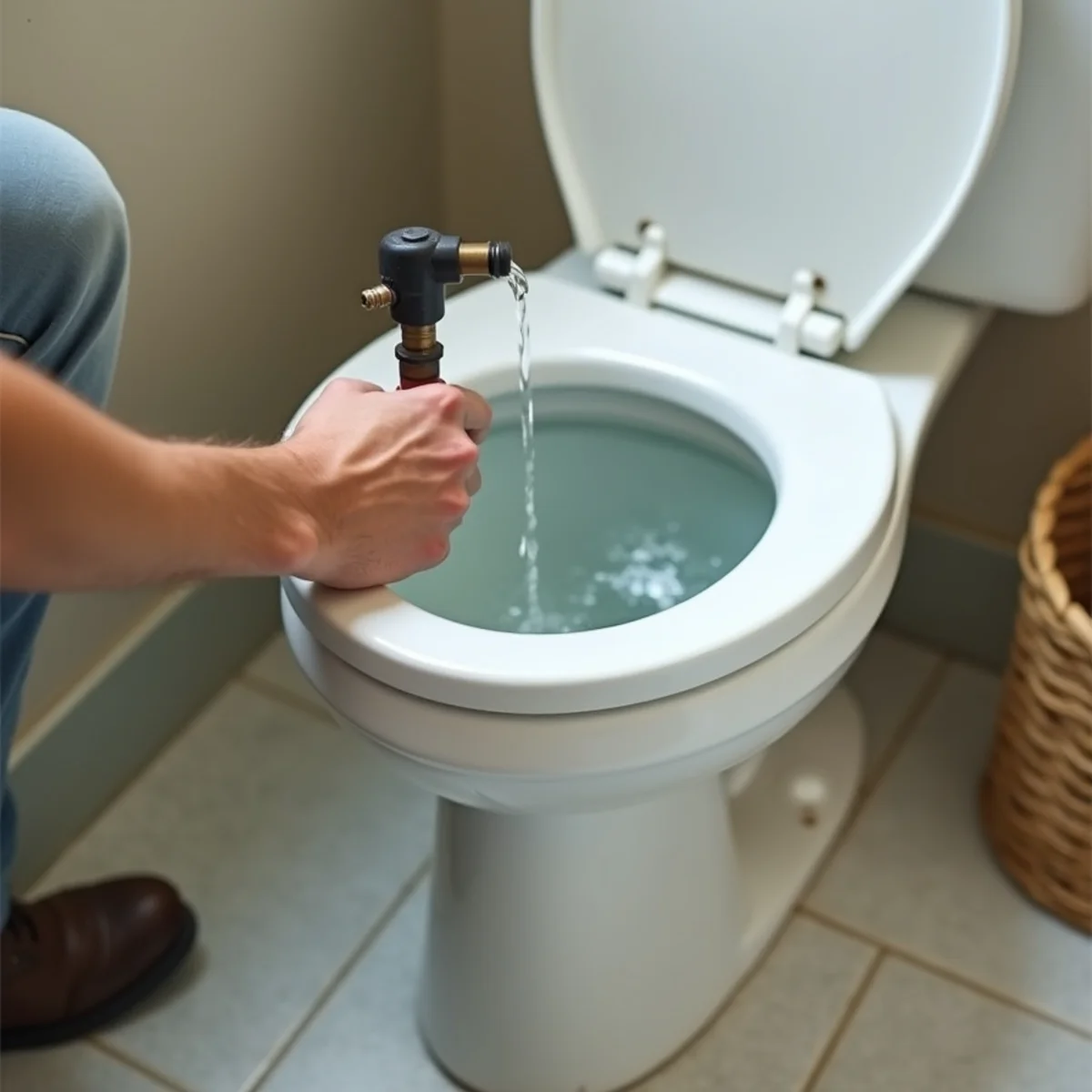
Toilets leak in two quiet ways: from the base, where a failed wax ring seeps onto the floor, and from the tank, where a worn flapper wastes water without a visible drip. Rock the bowl gently to feel for movement and look for staining or soft flooring at the base. Then check the ceilings below upstairs bathrooms. A brown ring there points to a leak overhead.
- Inspect the water heater base and connections for rust and moisture
- Check the temperature-and-pressure relief valve and its drain line
- Look for water or a soft floor around the base of every toilet
- Scan ceilings under upstairs bathrooms for stains or sagging
- Check around tubs and showers where the caulk or grout has failed
- Look at exposed pipes in the garage, basement, and crawl space
Read your water meter — the whole-house test
The best leak test covers the pipes you cannot see. Turn off every water fixture and appliance in the house, then find your water meter at the street. Note the reading or watch the small flow indicator. Wait an hour without using any water and check again.
If the meter moved, water left the system somewhere: a slab leak, an underground supply line, a running toilet, or an irrigation break. That is exactly the kind of hidden loss that professional leak detection is built to pinpoint, using acoustic and thermal tools instead of guesswork and demolition.
When you find something, act on the size of it
A weeping shut-off valve or a corroded hose is a same-week fix you can often handle yourself or with a plumber. Do not let it ride. A small leak is only small until it is not.
A stain that keeps growing, a warm spot on the floor, a meter that spins with everything off, or a musty smell you cannot locate all point to something hidden and active. Those are worth a professional look before they turn into a wall you have to open. For homes across Rocklin and Lincoln, we find the source without tearing the place apart.
Add a seasonal check to your monthly routine
The monthly walk-through covers the plumbing you use every day. A few things only need a look once or twice a year, and they are easy to fold into the routine when the seasons change. Do them in fall before the rains and again in spring as the weather warms.
These are the spots that fail with the weather rather than with daily use, so a monthly check is overkill but an annual one is not. Tie them to something you already do, like changing smoke-alarm batteries or setting the clocks, and they will not slip.
- Inspect the water heater closely and note its age each fall
- Check outdoor spigots and hose bibs after the first freeze for splits
- Clear gutters and confirm downspouts still carry water away
- Test the sump pump and its backup before the wet season
- Look over the washing-machine hoses for bulges or rust twice a year
- Walk the yard in the first big rain to spot pooling near the foundation
Found a leak you cannot trace? Call us
If your monthly check turns up moisture you cannot explain, or damage that is already spreading, get it looked at before it gets worse. Catching a hidden leak early is the difference between a small repair and a major one.
Restoration Rocklin CA offers non-invasive leak detection and full water damage restoration across Rocklin and Placer County. We are IICRC-certified, licensed and insured. Call (201) 277-9344 and we will help you find it and stop it.
Need help right now in Rocklin? Our line is open 24/7.
(201) 277-9344Frequently asked
A quick ten-minute check once a month catches most problems early. Add a closer look at hoses and the water heater twice a year, and always after a hard freeze or a big storm.
Shut off all water in the house, note your meter reading, wait an hour without using water, and read it again. If the number changed, you have a leak somewhere in the system, often hidden underground or in a wall.
That usually means a hidden leak: a running toilet, an irrigation line, or a slab leak under the foundation. Professional leak detection can pinpoint it. Call (201) 277-9344.
No. A flashlight and a dry paper towel are all it takes. The towel helps you tell a fresh drip from old staining, and the flashlight reaches the dark corners under sinks and behind appliances where slow leaks hide. If you find something you cannot trace, that is when professional acoustic and thermal detection comes in.
The usual culprits are washing-machine hoses, the water heater, toilet supply lines and wax rings, and the shut-off valves under sinks. Slow leaks also hide inside walls and under the slab, where they run for weeks before a stain shows. Call (201) 277-9344 if a leak is soaking your home and you cannot find the source.
Related help from our team
Restoration Rocklin CA
IICRC-Certified Water Damage Restoration Team
We're a locally based, IICRC-certified water damage restoration team serving Rocklin and Placer County 24/7. Questions about your situation? Call (201) 277-9344.