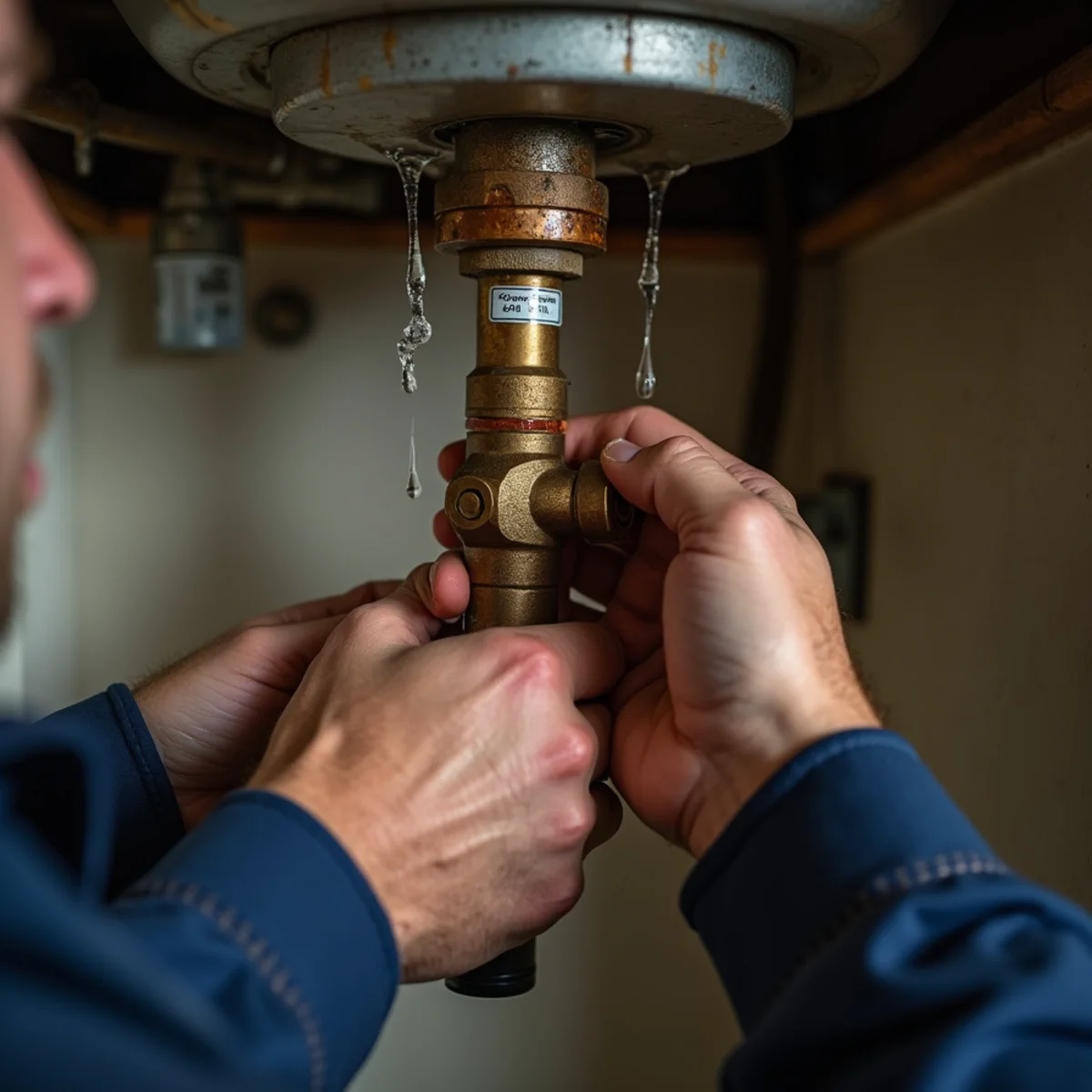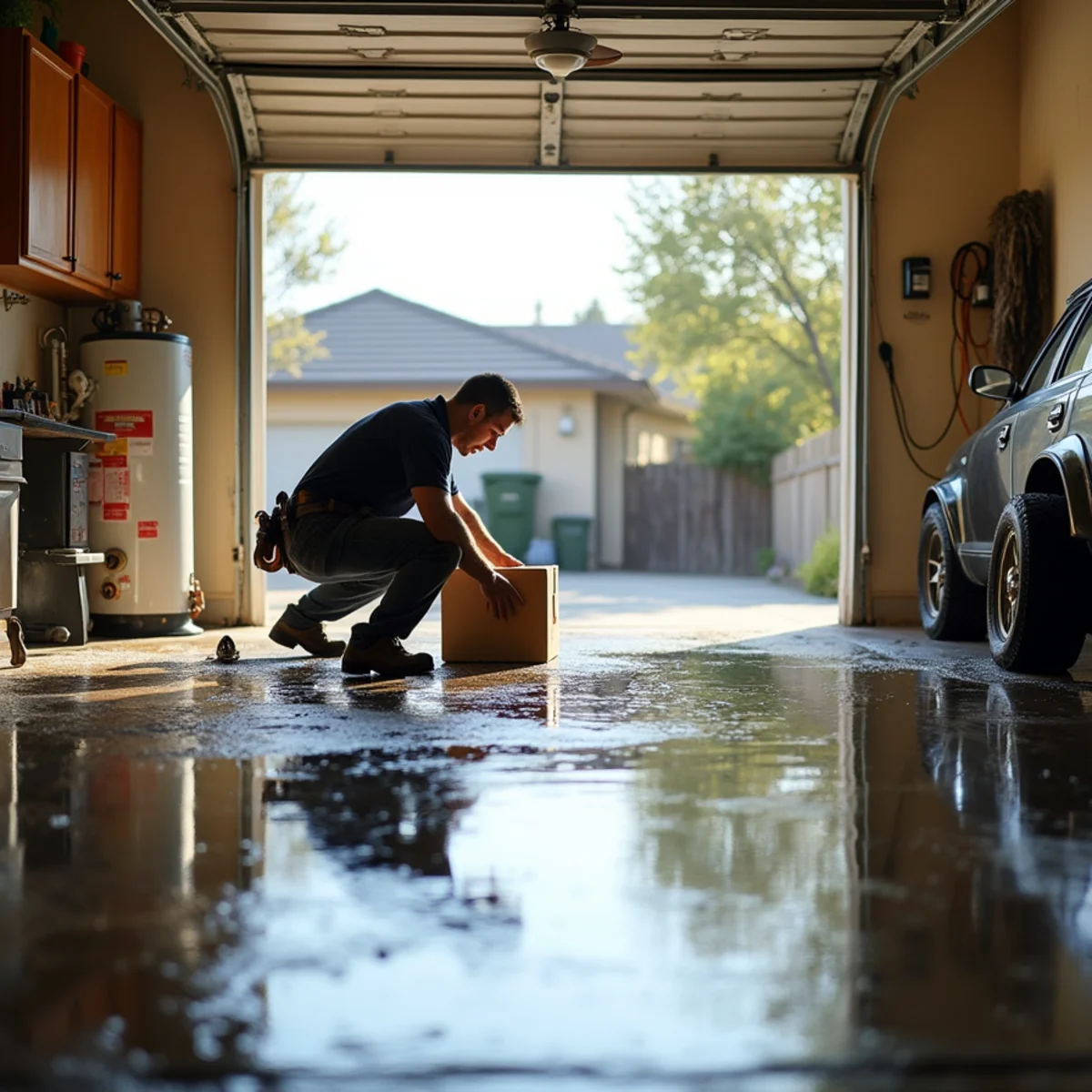

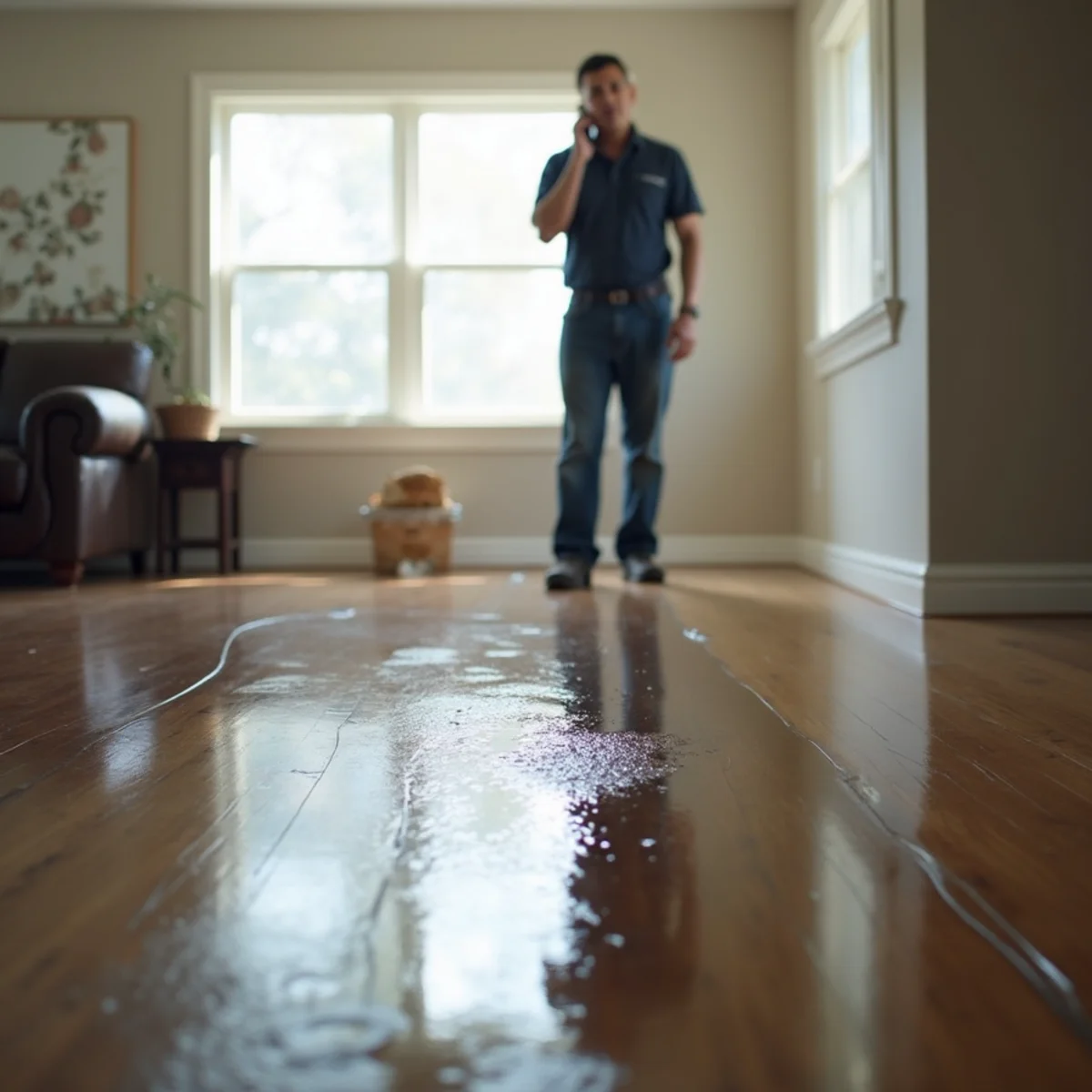
Standing water raises two urgent questions: is it safe to stay, and who do you call first? Here is how to assess the risk and act in the right order.
First, Judge the Danger — Then Decide
Standing water in your home creates three real hazards: electrical shock, contamination, and structural risk. Before you wade in to save the couch, take a moment to judge which of these you are dealing with. The water on your floor is not all the same.
The two biggest questions — is it safe to stay, and who do you call first — have clear answers once you know the source of the water and how deep it is. This guide walks you through both in the order that keeps your family safe.
If you are standing in it right now and unsure, the safest move is to get everyone out and call (201) 277-9344 from a dry spot. We provide 60-minute flood cleanup across Rocklin and can tell you what to do next over the phone.
Electrical Risk Comes First
Water and electricity kill. If standing water is touching outlets, extension cords, power strips, or appliances, do not enter the water. Do not touch anything electrical while standing in or near it.
If you can reach your breaker panel without stepping into water, shut off power to the affected areas. If the panel is in the flooded zone or you would have to wade to reach it, leave it alone and call an electrician or your utility. No belonging is worth a shock. Water conducts electricity in ways that are not always visible — a submerged outlet or a plugged-in appliance can make an entire pool of standing water live. If you are not certain the power to the area is off, treat the water as energized and stay out of it until a professional confirms it is safe.
Once power to the area is confirmed off, the electrical hazard drops. Until then, treat any standing water near electrical sources as live and stay out.
Is the Water Contaminated?
The source tells you the risk. Clean water from a supply line or a bathtub is Category 1 and low risk. Water from a dishwasher, washing machine, or a toilet overflow without waste is Category 2 gray water, which carries bacteria. Sewage, or floodwater that entered from outside, is Category 3 black water and a serious health hazard.
If the water is discolored, smells foul, or came from a backup or a storm, treat it as contaminated. Keep children and pets out, avoid skin contact, and do not track it through the rest of the house. Contaminated water is not a mop-and-bleach job.
In lower-lying Rocklin areas near Antelope Creek, winter storms can push outside water into homes, and that water is always treated as contaminated until proven otherwise. The category decides what can be saved and what has to be removed.
- Clean supply-line or tub water — Category 1, low risk
- Appliance or clean toilet overflow — Category 2, bacteria present
- Sewage or outside floodwater — Category 3, serious hazard
- Discolored or foul-smelling water — treat as contaminated
Is It Safe to Stay?
For a small, clean-water loss with the power safely off, staying is usually fine while you get help in. For anything larger or contaminated, think harder. Waterlogged ceilings can fall, saturated floors can weaken, and standing contaminated water makes the air and surfaces unsafe.
Leave the home if the water is contaminated and widespread, if ceilings are sagging, if you cannot safely shut off power near the water, or if anyone in the household has respiratory issues or a weakened immune system. When in doubt, get out and let professionals assess it.
Do not sleep in a home with active sewage contamination or with standing water near live electrical. A hotel night is cheaper than the alternative.
What to Do While You Wait for the Crew
Once you have judged the hazards and made your calls, there are useful things you can do safely while help is on the way. If the water is clean and the power is confirmed off, start moving valuables, electronics, and important documents up and out of the water. Lift furniture legs onto blocks or foil so finishes do not bleed onto wet carpet.
Open windows and doors to ventilate if the weather allows, and if it is safe to reach, turn off the water source so nothing more is added to the floor. Do not use a household vacuum on the water, and do not run ceiling fans if the ceiling above them is wet and sagging.
For contaminated water, do less rather than more. Keep everyone out of the affected area, close it off from the rest of the house, and wait. Trying to clean Category 3 water yourself spreads it and puts you at risk — that part genuinely needs to wait for the crew and their protective equipment.
How Long Can Standing Water Sit Before It Gets Worse?
Standing water does not just sit there — it degrades on a timeline. In the first minutes it spreads across the floor and slips under baseboards and thresholds. Within hours it wicks up drywall and soaks into subfloor and framing, and the category of the water itself can slide: clean Category 1 water left standing picks up contaminants and can degrade to Category 2 or 3 within a day or two.
The 24-to-48-hour mark is the one that matters most, because that is when mold can begin to grow on wet materials. Every hour past that raises both the cost and the health risk. This is why the order of operations is stop the source, then extract, then dry — and why waiting to see if it dries on its own almost always makes the loss bigger. Fast professional extraction is what keeps a clean-water loss from becoming a contaminated, mold-prone one.
- Minutes: water spreads under baseboards and thresholds
- Hours: it wicks up drywall and into subfloor and framing
- 24 to 48 hours: mold can begin to grow on wet materials
- Days: clean water degrades toward contaminated categories
Who to Call First — Get Help Now
Call in the right order. If there is any gas smell, or a live electrical hazard you cannot isolate, call 911 or your utility first. Then call a restoration company to stop the loss — not last, first, because every hour of standing water spreads the damage and the mold risk. Then call your insurance carrier to open the claim.
We are the call that stops the damage. Our IICRC-certified crews respond to Rocklin flood emergencies within 60 minutes, assess the hazards, extract the water safely, and document everything for your insurance. Call (201) 277-9344 and we will take it from there.
Need help right now in Rocklin? Our line is open 24/7.
(201) 277-9344Frequently asked
For a small clean-water loss with power safely off, usually yes. Leave if the water is contaminated and widespread, if ceilings are sagging, if you cannot isolate electrical hazards, or if anyone has health vulnerabilities. When in doubt, get out and call (201) 277-9344.
Call 911 or your utility first for any gas or live electrical hazard. Then call a restoration company to stop the loss right away, before the damage spreads. Open your insurance claim after that. Fast professional extraction limits both cost and mold risk.
Check the source. Supply-line and tub water is low risk. Appliance and toilet overflows carry bacteria. Sewage and outside floodwater are serious hazards. Discolored or foul-smelling water should always be treated as contaminated until a professional confirms otherwise.
It starts within hours. Water wicks into drywall, subfloor, and framing quickly, and mold can begin within 24 to 48 hours. Clean water left standing also degrades toward contaminated categories over a day or two. The sooner it is extracted, the more of your home survives. Call (201) 277-9344 for a fast response.
Often yes. Most homeowners policies include loss-of-use or additional living expenses coverage that reimburses reasonable costs, like a hotel and meals, when your home is genuinely unlivable during a covered loss. Keep every receipt, and confirm the coverage and limits with your carrier when you open the claim.
Related help from our team
Restoration Rocklin CA
IICRC-Certified Water Damage Restoration Team
We're a locally based, IICRC-certified water damage restoration team serving Rocklin and Placer County 24/7. Questions about your situation? Call (201) 277-9344.