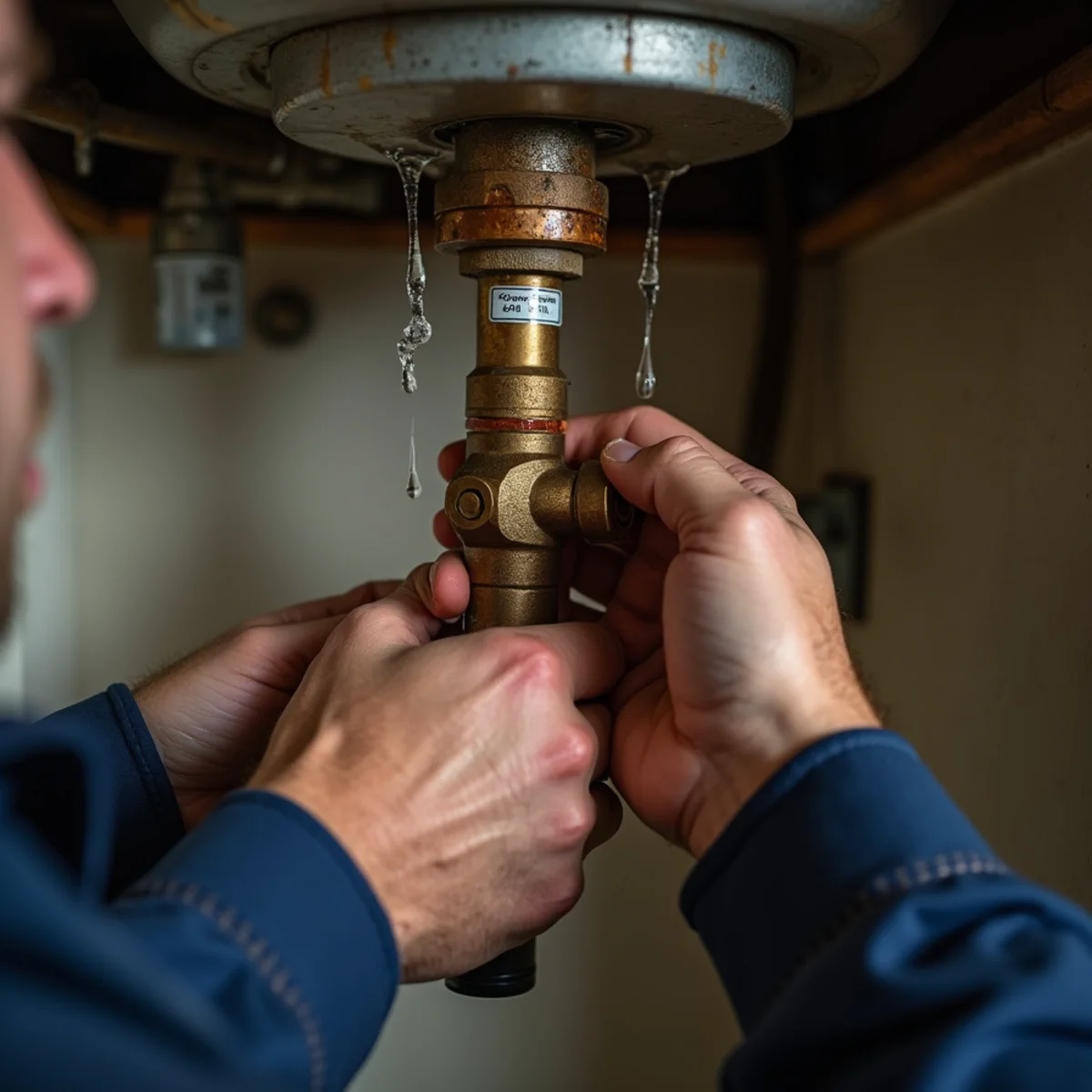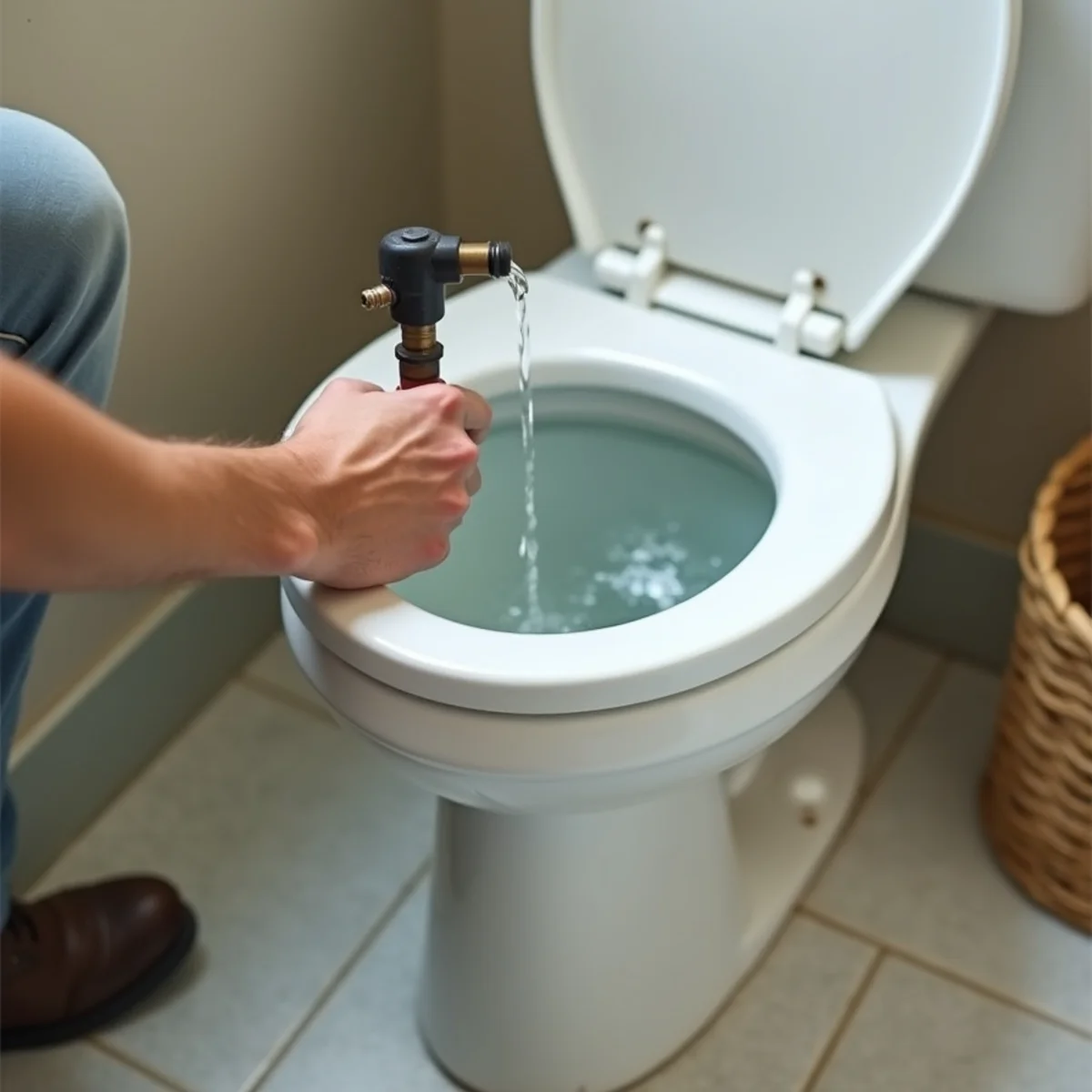

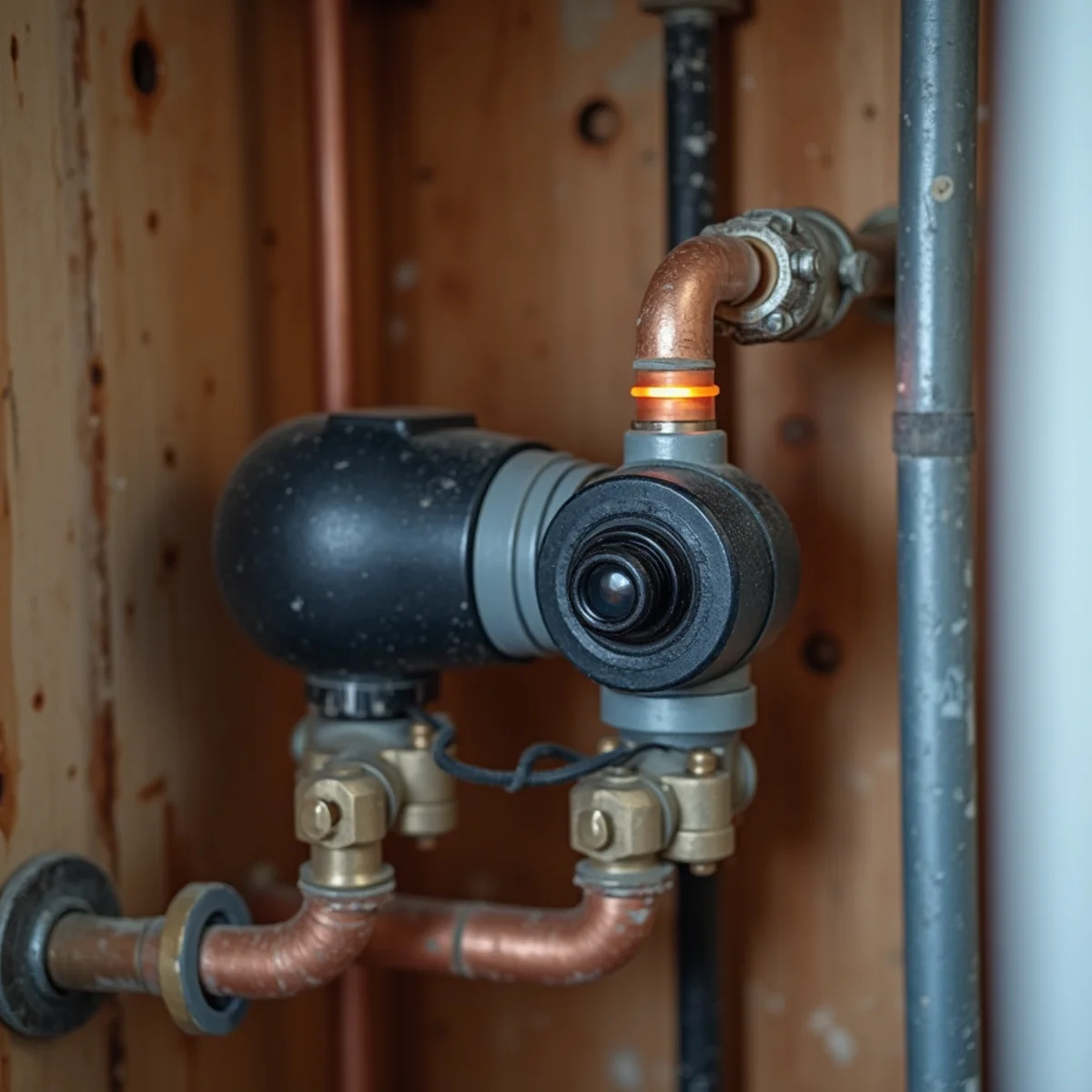
Smart water sensors and automatic shut-off valves can stop a flood before it starts, but not all do the same job. Here is what each costs and who benefits most.
A $50 sensor versus a five-figure claim
A modern water leak sensor costs about the price of a nice dinner. A whole-home automatic shut-off valve costs more, but still a fraction of a single water-damage claim. Given that a burst supply line can put thousands of gallons through a home before anyone notices, the math on these devices is hard to argue with.
But they are not all the same, and they do not all solve the same problem. Some just alert you. Others actually stop the water. Here is how the technology breaks down, what it costs, and who gets the most out of it.
Two kinds of devices: alarms and actuators
The category splits into two groups. The first is detection-only: small sensors that notice water and sound an alarm or send a phone alert. They are cheap, easy to place, and useful, but they only help if you are home or able to act on the notification.
The second group actually intervenes. Automatic shut-off valves install on your main line and close it when they detect a leak or abnormal flow, stopping the water whether you are home or not. That difference, alert versus action, is the key thing to understand before you buy.
Point sensors: cheap, simple, genuinely useful
Point-of-use sensors are small pucks you place where leaks are likely and would otherwise go unseen. They cost very little, run on batteries or Wi-Fi, and either chirp locally or push an alert to your phone. For most homeowners they are the easiest first step.
Put them where water hides and does the most quiet damage. The best locations are the ones you rarely look at, because that is where a slow leak runs for weeks before you notice.
- Under the water heater and in its drip pan
- Behind or beneath the washing machine
- Under kitchen, bathroom, and laundry sinks
- Near the dishwasher and the refrigerator water line
- In the crawl space, basement, or sump area
- Beside any sump pump as a failure alarm
Automatic shut-off valves: protection that acts for you
An automatic shut-off valve is the upgrade that matters most, because it works when you are not there. It installs on the main supply line and monitors flow. When it sees a pattern that looks like a leak, water running continuously far longer than any normal fixture, it closes the valve and cuts the loss.
This is the device that prevents the catastrophic overnight or on-vacation flood, the exact scenario that produces the biggest claims. Many models also integrate the point sensors above, so a wet-sensor trip can trigger the shut-off directly. Some insurers even offer a premium discount for installing one.
- Installs on the main line, so it protects the whole house
- Closes automatically on abnormal flow, even when you are away
- Can link to point sensors to shut off the instant water is detected
- Learns your normal usage to avoid false trips
- Lets you shut off the water remotely from your phone
- May qualify you for a homeowners insurance discount
So are they worth it? Usually yes
For a detection-only sensor, the answer is almost always yes. The cost is trivial next to what it can catch. For an automatic shut-off valve, the value is highest for homes that are left empty often, second homes, multi-story homes where an upstairs leak can go unheard, and any home with aging plumbing.
What these devices do not do is find a leak already hidden in a wall or under the slab. They watch for new water; they cannot trace a slow loss you already suspect. For that, professional leak detection uses acoustic and thermal tools to pinpoint the source. We help homeowners across Rocklin and Folsom decide where sensors help and where a real inspection is the smarter call.
Setting them up so they actually protect you
A sensor helps only if it is placed well, powered, and watching the right spot. Plenty of homeowners buy the hardware, drop it in a drawer or forget the batteries, and never get the protection they paid for. A few minutes of setup and a little upkeep make the difference.
Treat these devices like smoke alarms. They are cheap insurance, but only while they are working and only if you act on the alert. Put them where water collects, keep them powered, and make sure the notification reaches a phone someone actually carries.
- Place point sensors flat at the lowest point, where water pools first
- Connect Wi-Fi models to the app and test that alerts reach your phone
- Check or replace batteries on a set schedule so a sensor is never dead
- Add a neighbor or family member as a backup alert contact
- Test each sensor a couple of times a year with a damp paper towel
- Decide in advance who shuts off the water when an alert comes while you are away
Already have a leak? Sensors won't find it — we will
Smart devices are prevention. If you already have a stain, a spike in the water bill, or a musty smell you cannot trace, you need location, not an alarm.
Restoration Rocklin CA offers non-invasive leak detection and full water damage restoration across Rocklin and Placer County. IICRC-certified, licensed and insured. Call (201) 277-9344 and we will find what is leaking and stop it.
Need help right now in Rocklin? Our line is open 24/7.
(201) 277-9344Frequently asked
For most homes, start with inexpensive point sensors under the water heater, washer, and sinks, then add a whole-home automatic shut-off valve for real protection. The valve is what stops a flood when you are away.
Yes. They monitor flow on the main line and close it when they detect a leak pattern, stopping water even when no one is home. Some insurers offer a discount for installing one.
No. Sensors detect new water where they are placed; they cannot trace a leak already hidden in a wall or slab. That requires professional leak detection. Call (201) 277-9344.
It depends on the model. Basic sensors simply sound a local alarm and need no network, which is fine if someone is usually home. Wi-Fi models send an alert to your phone even when you are out, which is where the real value is for an empty house. Automatic shut-off valves are the ones worth connecting so they can act on their own.
It shuts the main line when it senses a leak, so water stops until you reopen it. That is the point, and most models let you turn it back on from an app or a button in seconds once you have checked things. A brief shut-off beats a flood running all day. Call (201) 277-9344 if a leak has already caused damage.
Related help from our team
Restoration Rocklin CA
IICRC-Certified Water Damage Restoration Team
We're a locally based, IICRC-certified water damage restoration team serving Rocklin and Placer County 24/7. Questions about your situation? Call (201) 277-9344.