
Sewage backup cleanup is costly, and coverage is not automatic. Here is what drives the cost and the endorsement that decides whether insurance pays.
Two Questions After a Sewage Backup
A sewage backup raises two urgent questions at once: what will this cost to clean up, and will my insurance pay for it? Both answers matter, because sewage cleanup is expensive and coverage is far from automatic.
Sewage is Category 3 black water — the most hazardous and most involved category to remediate. That is why it costs more than a clean-water loss of the same size, and why doing it right is not optional. This is a health hazard, not a mess. Treating it like an ordinary spill is how people get sick and how contamination spreads into parts of the house it never reached on its own. The extra cost of a proper cleanup is really the cost of making the home genuinely safe again — removing what cannot be disinfected, not just wiping down what shows.
Here is what drives the cost and what determines whether your policy pays. If you are dealing with a backup in Orangevale or anywhere nearby right now, keep everyone away from it and call (201) 277-9344 for 24/7 hazmat-certified cleanup.
What Drives Sewage Cleanup Costs
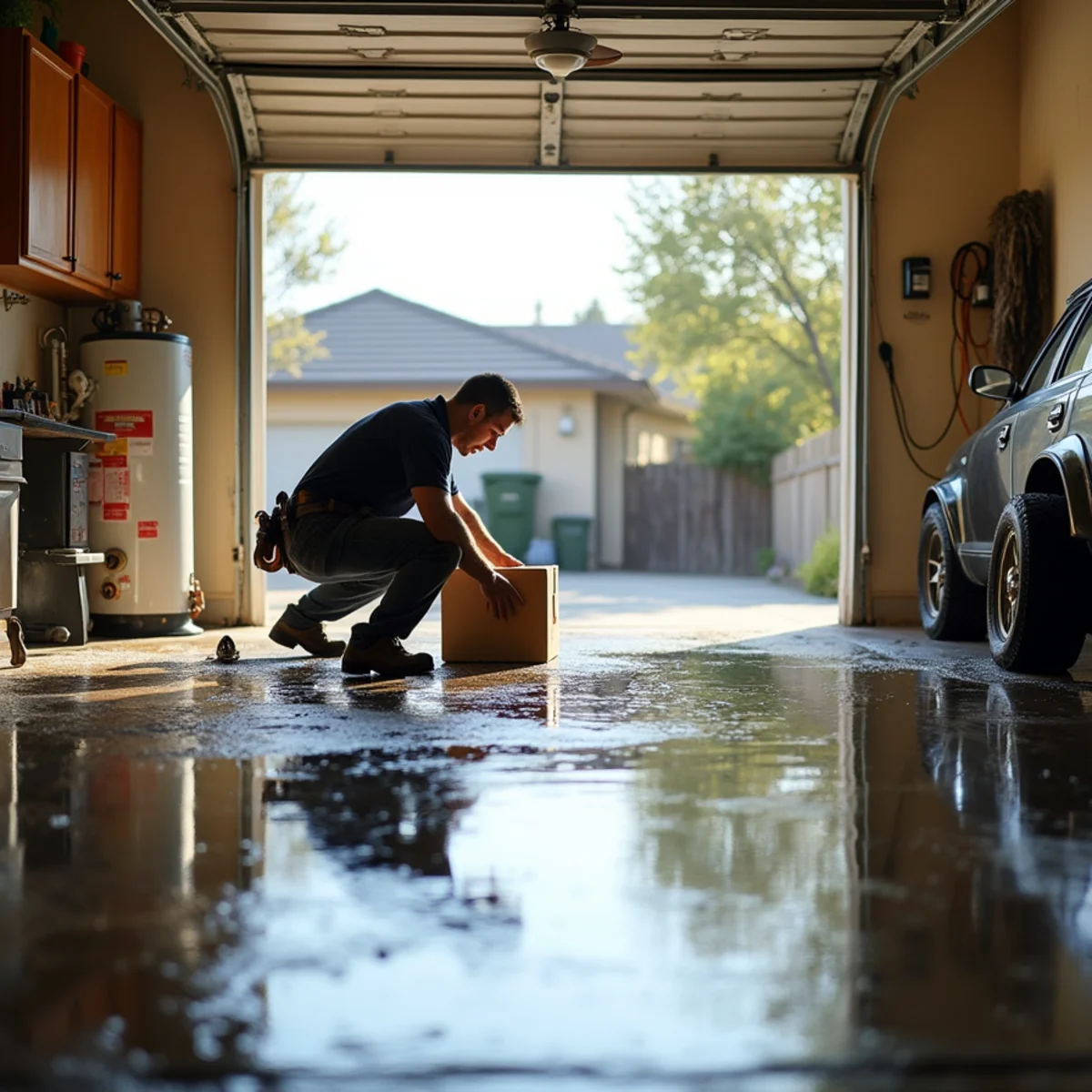
Sewage cleanup cost tracks with contamination and disposal. The bigger the affected area and the more it spread, the more there is to remove, disinfect, and rebuild. A backup contained to one bathroom is a different job than one that reached carpeted living space.
Because it is Category 3, porous materials that absorbed the contamination — carpet, pad, affected drywall, insulation — generally have to be removed and disposed of rather than cleaned. That removal and disposal, plus the disinfection and air filtration required to make the space safe, is where much of the cost sits.
Then there is the cause. If the backup came from a blocked or damaged sewer line, clearing or repairing that line is a separate expense on top of the cleanup, and it has to be addressed or the backup returns.
- Size of the affected area and how far it spread
- Volume of porous material that must be removed and disposed
- Disinfection, deodorizing, and HEPA air filtration required
- Any sewer line clearing or repair the cause requires
- Rebuild of removed drywall, flooring, and materials
The Endorsement That Decides Coverage
Here is the part that catches people off guard: standard homeowners insurance usually does not cover sewer and drain backups. Coverage for a backup typically requires a specific add-on, often called a sewer backup or water backup endorsement, that you have to elect and add to your policy.
If you have that endorsement, a covered backup is generally paid up to the endorsement limit — and those limits can be lower than the actual cost of a bad backup, so the amount of coverage you chose matters. If you do not have it, a backup may not be covered at all, even though a burst pipe would be.
This is worth checking today, not after a backup. The endorsement is usually inexpensive to add, and it is the difference between a covered loss and a bill you pay entirely yourself.
Why Backups Happen — and Recur
Backups often trace to mature tree roots invading sewer laterals, a common issue in established neighborhoods where landscaping has decades of growth. Others come from municipal main blockages, collapsed old lines, or heavy storm flow overwhelming the system.
The cause matters for cost and for coverage. A backup driven by a problem on your side of the line is your responsibility to repair, and if the underlying line is not fixed, the backup recurs — meaning you could face the cleanup and the coverage question again.
This is why we address the cause, not just the mess. If the line needs clearing or repair, we coordinate it so the problem does not come straight back after we leave.
Check Your Endorsement Before You Need It
The time to find out whether you have backup coverage is today, not while sewage is on the floor. Pull your declarations page and look for a sewer backup or water backup endorsement, and note its limit. If it is not there, adding it is usually inexpensive and worth doing before the season when backups spike.
Pay attention to the limit, not just the presence of coverage. Backup endorsements are often capped well below the cost of a serious backup that reaches finished living space, so a low limit can still leave you paying a large share. Ask your agent what it would take to raise it.
If a backup does happen, document it the way you would any water loss: photograph everything before cleanup, save receipts, and keep an inventory of damaged items. Contamination claims get scrutinized, and clear documentation is what moves them along.
How to Prevent the Next Sewage Backup
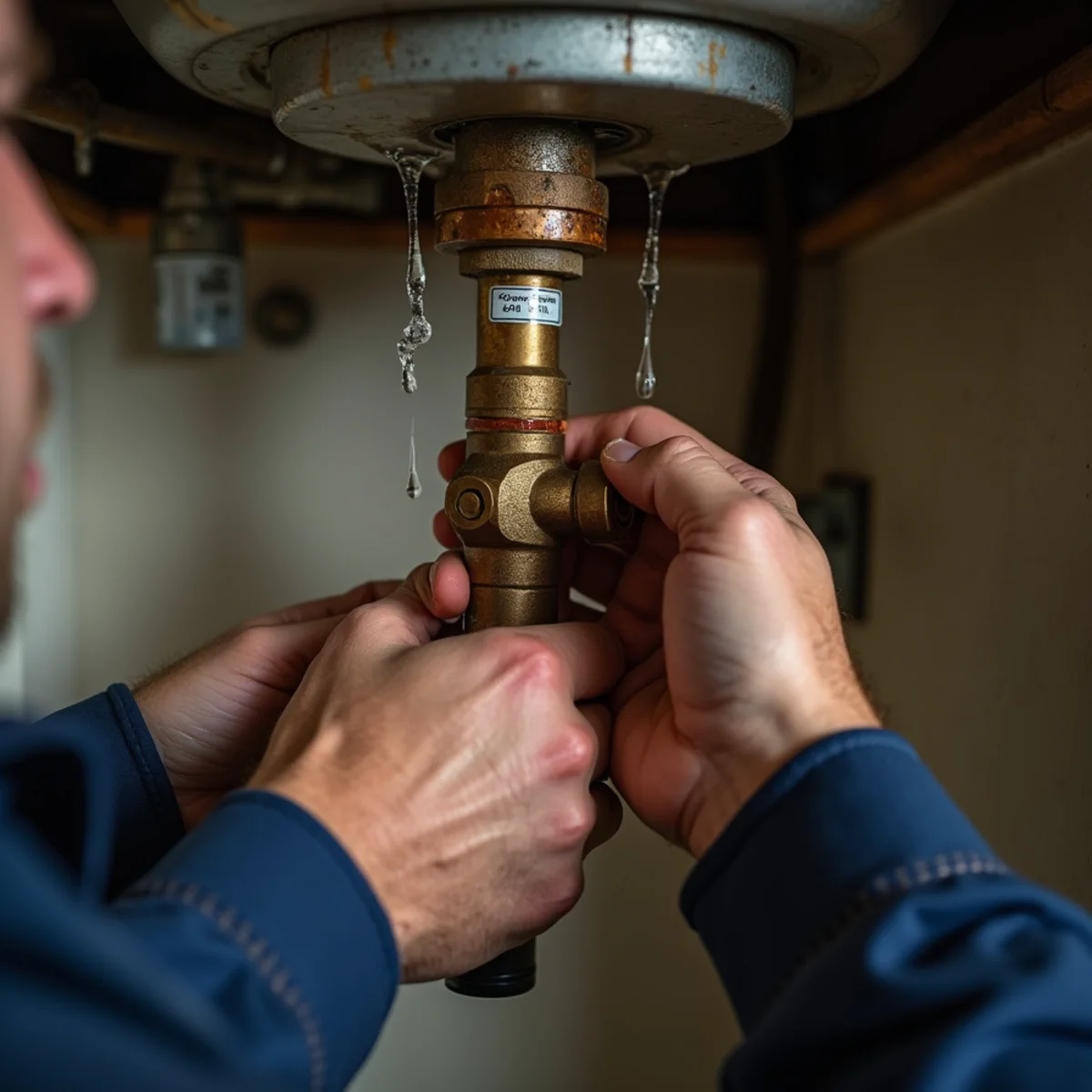
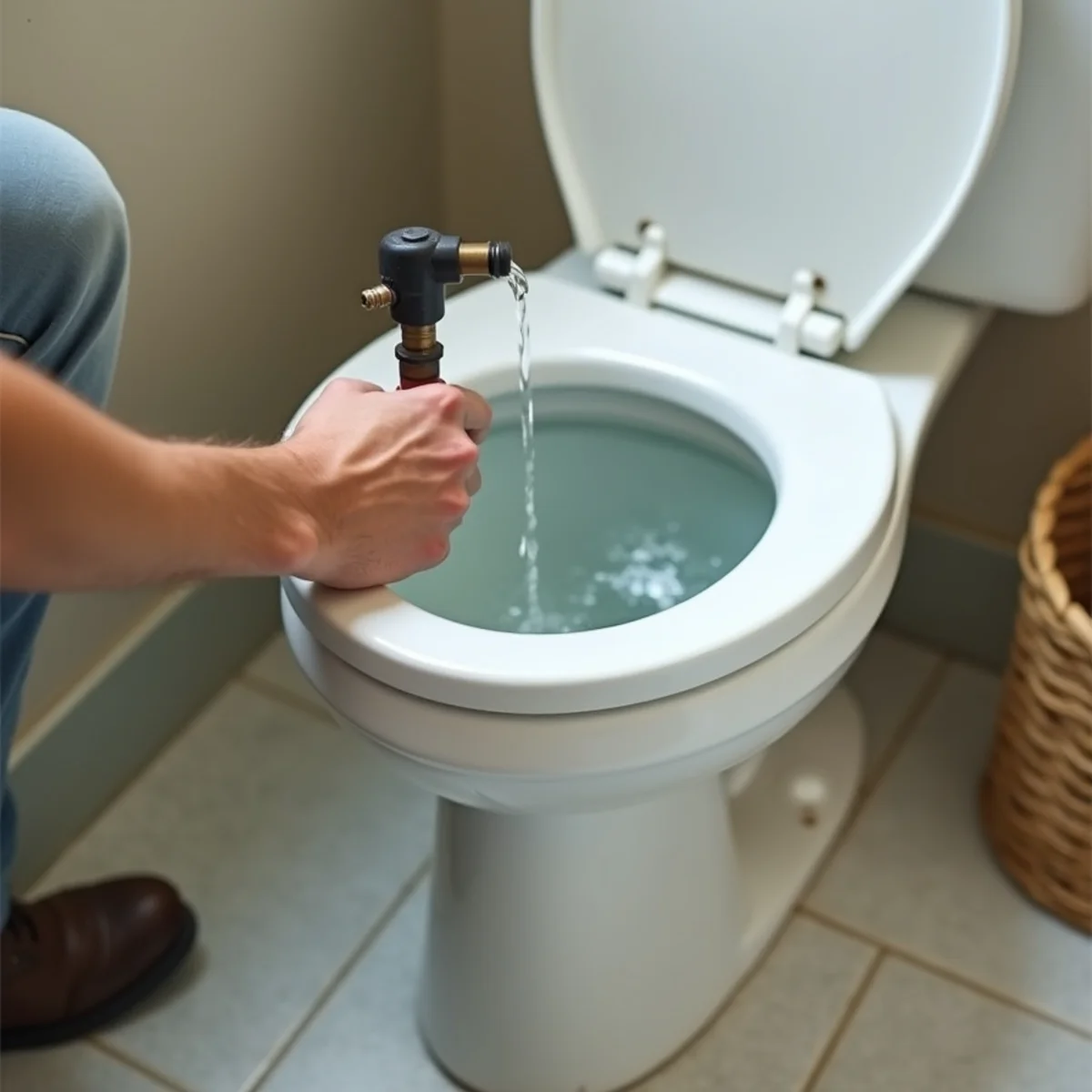
Since coverage for a backup is never guaranteed, prevention is the surest money you can spend. The single most effective device is a backwater valve installed on your main sewer line: it lets waste flow out but closes automatically to stop it flowing back in when the municipal main surcharges or your lateral clogs. For a home that has backed up before, it is often the fix that ends the cycle.
The rest is maintenance and habits. Keep wipes, paper towels, feminine products, and grease out of the system entirely — they are the usual seeds of a clog. In Rocklin's established neighborhoods, where mature tree roots invade older laterals, a periodic sewer-camera inspection and root cutting catches a narrowing line before it fails. Addressing the lateral is what keeps a backup from returning, rather than cleaning up the same mess every storm season.
- Install a backwater valve on the main sewer line
- Keep wipes, paper towels, and grease out of the drains
- Have older laterals camera-inspected for root intrusion
- Cut roots and repair the line before it fails again
Get Safe, Certified Cleanup — Call Us
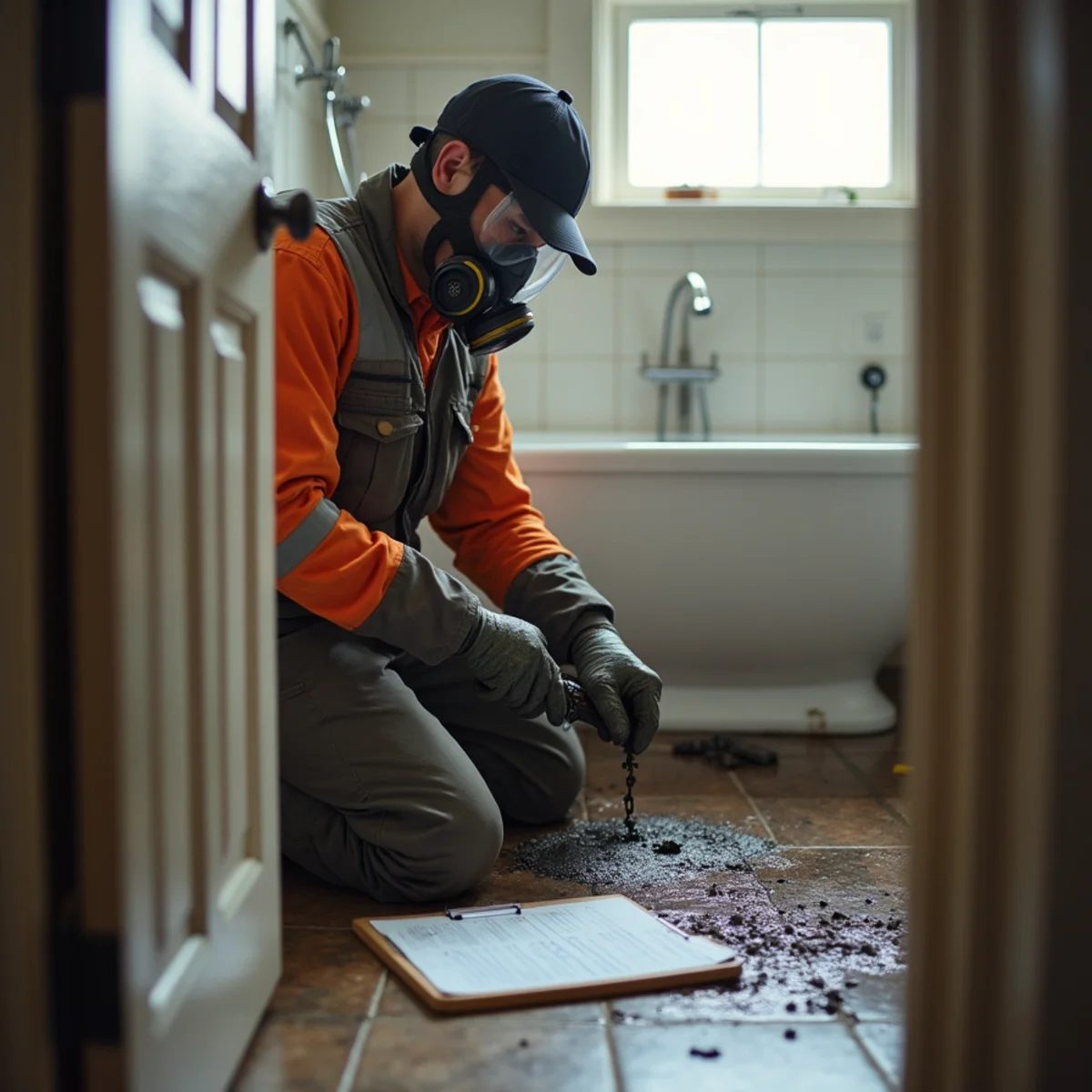
A sewage backup is not a DIY job. Category 3 water carries bacteria, viruses, and parasites, and improper cleanup spreads contamination and leaves your family exposed. It requires containment, protective equipment, and EPA-registered disinfectants.
We provide 24/7, hazmat-certified sewage cleanup across Orangevale and the surrounding area, with a 60-minute response. We remove the contamination, sanitize the structure, kill the odor at its source, and document everything for your claim. Call (201) 277-9344 and we will make your home safe again — and help you understand whether your endorsement covers it.
Need help right now in Rocklin? Our line is open 24/7.
(201) 277-9344Frequently asked
Usually only if you carry a specific sewer or water backup endorsement, which many standard policies exclude by default. With the endorsement, a covered backup is paid up to its limit. Without it, a backup may not be covered even though a burst pipe would be.
Sewage is Category 3 black water, so porous materials it soaked must be removed and disposed of rather than cleaned, and the space needs full disinfection and HEPA air filtration. Cost tracks with how far it spread, disposal volume, and any sewer line repair required.
No. Sewage carries bacteria, viruses, and parasites, and improper cleanup spreads contamination and exposes your household. It requires containment, protective gear, and EPA-registered disinfectants. Keep people and pets away and call (201) 277-9344 for certified cleanup.
A backwater valve on your main line is the most effective safeguard, closing automatically to block sewage from flowing back in. Beyond that, keep wipes and grease out of the drains, and have older sewer laterals camera-inspected for the tree roots that cause most backups in established Rocklin neighborhoods.
Most residential backups are extracted and disinfected within a day or two, with a few more days to dry the structure to standard and rebuild anything removed. The timeline grows with how far the contamination spread. Call (201) 277-9344 and we will give you a clear schedule after assessing the area.
Related help from our team
Restoration Rocklin CA
IICRC-Certified Water Damage Restoration Team
We're a locally based, IICRC-certified water damage restoration team serving Rocklin and Placer County 24/7. Questions about your situation? Call (201) 277-9344.