
Sacramento Valley water is hard and chloraminated, a combination that quietly corrodes copper pipe into pinhole leaks. Placer County homeowners should know the signs before a wall gets soaked.
The Water From Your Tap Is Slowly Working Against Your Pipes
Hard water is a fact of life in the Sacramento Valley. It leaves the white crust on your faucets, the spots on your glassware, and the film in your kettle. Most Rocklin and Placer County homeowners treat it as a cosmetic nuisance. Inside your walls, though, that same mineral content is quietly working against your copper plumbing.
Copper pipe is durable and can last decades, but it is not immune to the water flowing through it. In our region, the combination of mineral-heavy water and the chloramine used to disinfect it creates conditions where copper develops tiny perforations called pinhole leaks. One pinhole is small. A wall full of soaked drywall behind it is not.
Understanding why this happens, and how to catch it early, is one of the most useful things a Placer County homeowner can know about their house.
What Makes Sacramento Valley Water Hard
Water hardness is a measure of dissolved minerals, mainly calcium and magnesium, picked up as water moves through soil and rock. Sacramento Valley source water runs consistently hard. Those minerals are harmless to drink, but they precipitate out as scale on any surface the water touches, including the inside of your copper supply lines.
Scale buildup narrows pipes over time and, more importantly, creates uneven conditions on the copper surface. Where scale is patchy, the exposed copper between deposits can corrode faster than the protected areas. That localized attack is the seed of a pinhole.
Hardness alone does not doom a pipe. It is hardness combined with water chemistry, flow, and disinfectant that sets the pace of corrosion — and in our valley, several of those factors lean the wrong way at once.
How a Pinhole Leak Forms
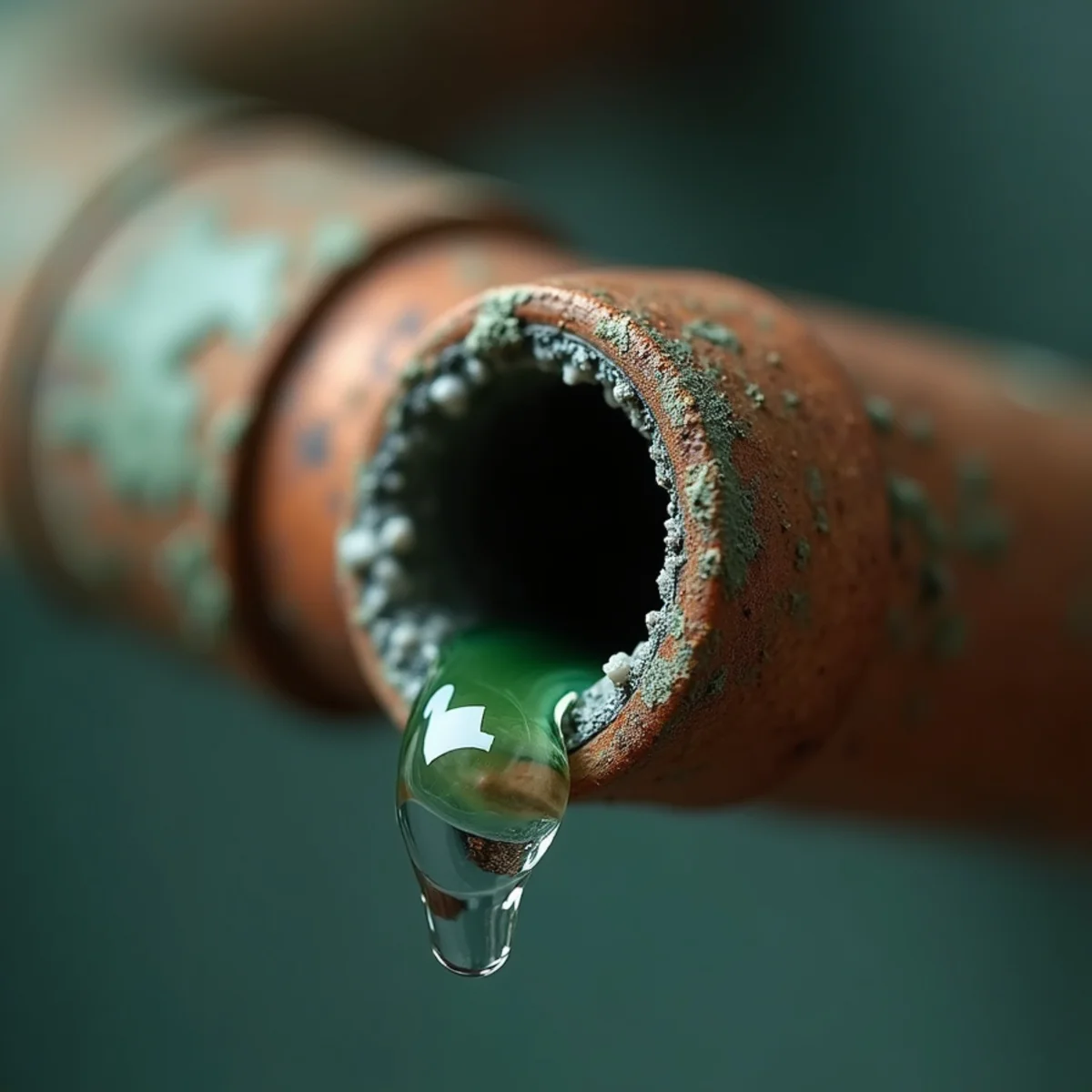
Pinhole corrosion, sometimes called pitting corrosion, works from the inside out. A microscopic weak point on the pipe wall becomes the focus of an electrochemical reaction. Instead of the whole pipe thinning evenly, corrosion drills a narrow pit straight through the wall at one spot.
The result is a leak the size of a pin, sometimes so small it sprays a fine mist rather than a stream. That mist can dampen insulation and drywall for weeks before a stain appears. By the time you see evidence, the pipe often has several pits, not one, because the same conditions that made the first hole are working everywhere along the line.
This is why a pinhole leak is rarely a one-and-done repair in an older home. The pipe segment that failed is usually representative of the rest of the same-vintage copper in the house.
Chloramine and the Copper Connection
Many California water systems, including in the Sacramento region, disinfect with chloramine — chlorine combined with ammonia — because it stays stable and long-lasting in the distribution system. It does its job well. But investigations into copper pipe failures have repeatedly pointed to chloraminated, mineral-rich water as a contributor to pitting corrosion.
The chemistry is complex and no single factor acts alone, but the practical takeaway for Placer County is simple: our water is hard, it is chloraminated, and both conditions are associated with the kind of copper corrosion that produces pinhole leaks. Homes plumbed with copper in the 1990s and 2000s are now old enough to show it.
You cannot change the municipal water chemistry. What you can do is recognize that your copper is working in a corrosive environment and watch for the early signs.
Finding a Pinhole Leak Before It Floods a Wall
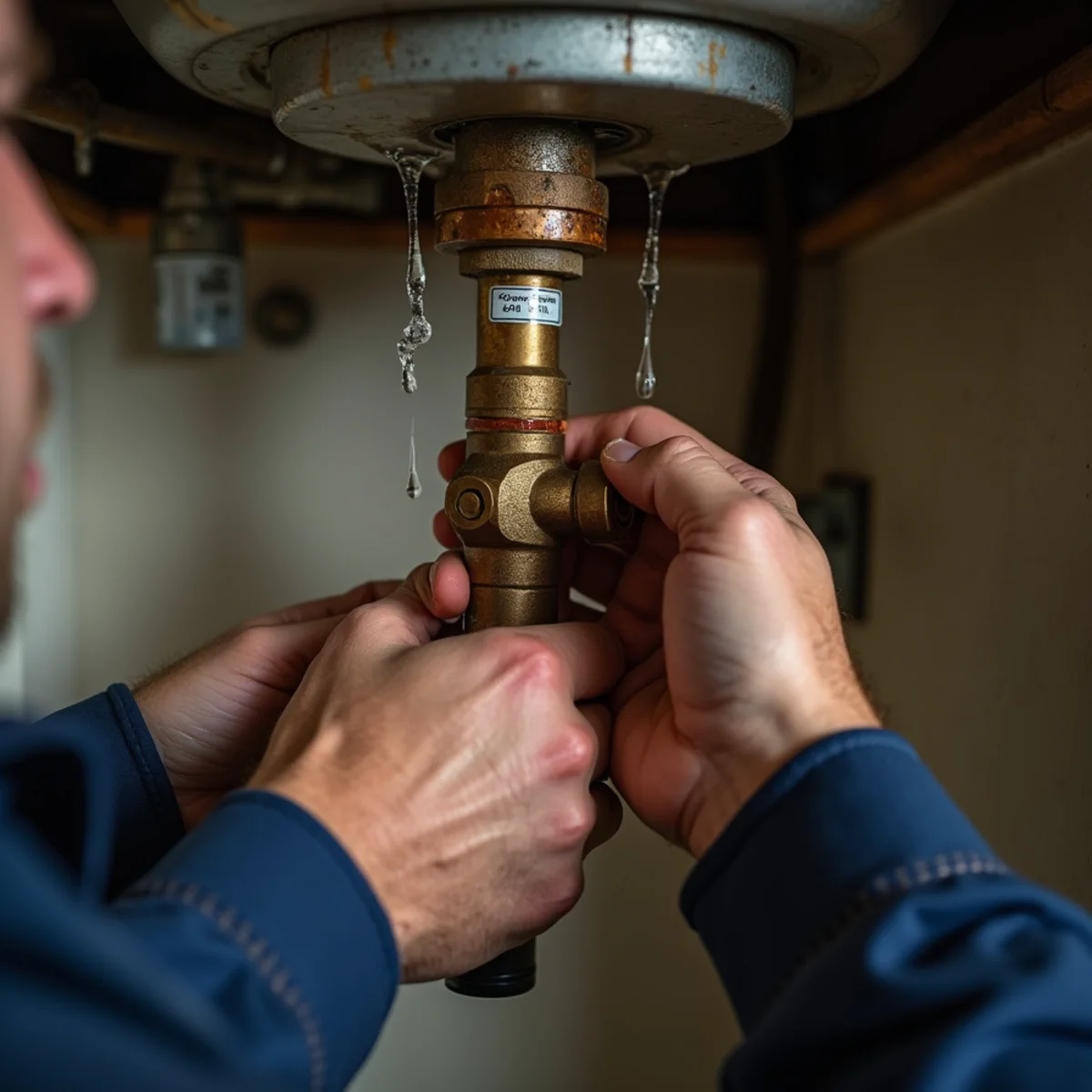
The trouble with a pinhole is that it hides. It leaks into a wall cavity, a ceiling, or under a cabinet, and the first visible sign is often damage rather than the leak itself. That is where professional leak detection earns its keep. Acoustic listening equipment, thermal imaging, and moisture mapping locate the source behind the drywall without opening the whole wall to find it.
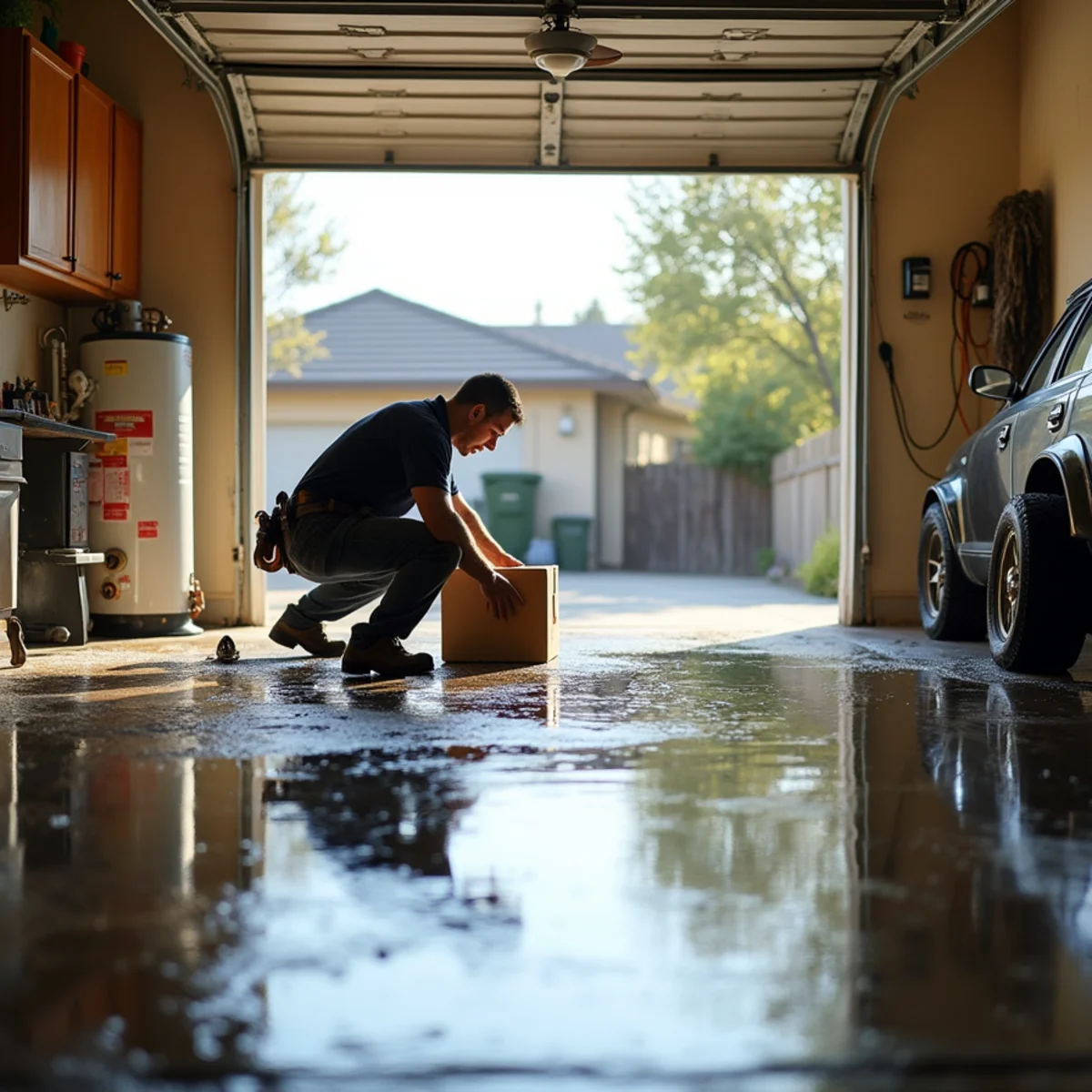
The advantage of finding a pinhole early is not only a smaller repair. A leak caught in its first days may mean drying a single wall cavity and patching one section of drywall. The same leak left for weeks can saturate framing, wick into flooring, and seed mold that turns a plumbing fix into a full restoration. Speed is the difference, and speed depends on noticing the quiet early signs.
Catching a pinhole early turns a small, targeted repair and a quick dry-out into the entire job. Catching it late means soaked framing, ruined drywall, and often mold. Watch for these signs:
- A faint hiss or spray sound inside a wall
- Bluish-green staining or crusty deposits on exposed copper
- A damp, cool patch on drywall or a ceiling with no obvious source
- A musty smell in a specific area of the house
- A water bill that crept up without a change in usage
What You Can Actually Do About Corrosive Water
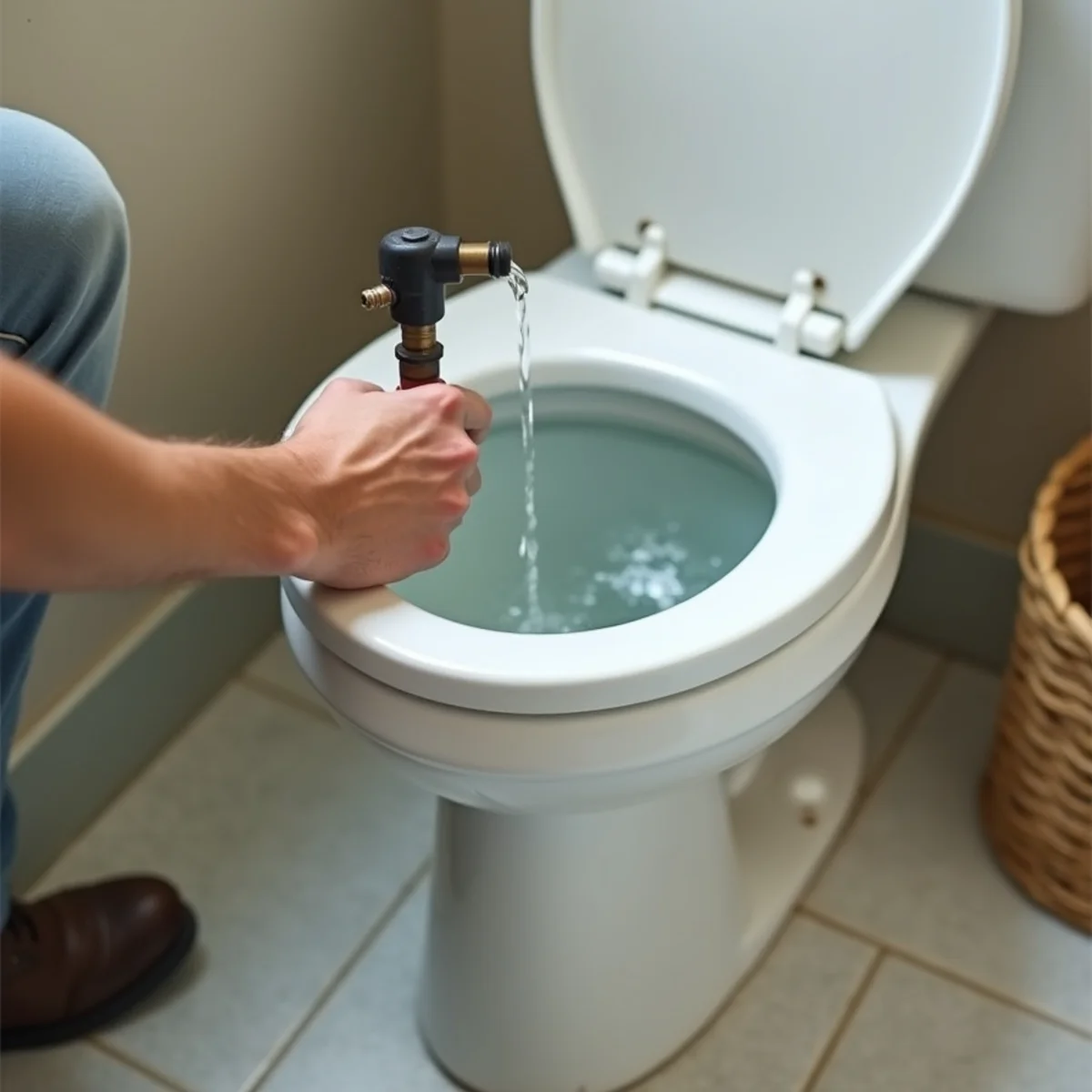
You cannot rewrite the municipal water chemistry, but you are not powerless either. A few measures reduce the stress on aging copper. A pressure-reducing valve set to a normal household range, roughly 50 to 60 pounds per square inch, eases the constant strain on pipe walls and fittings, since excess pressure accelerates every kind of leak. A whole-house water softener will not reverse corrosion already underway, but by cutting the scale that drives uneven pitting it can slow the process on pipe that is still sound.
The most valuable habit costs nothing: monitor. Check exposed copper at the water heater and under sinks for the blue-green crust that signals corrosion, watch your bill for creeping increases, and treat the first pinhole as a signal about the whole system rather than a one-off. For homes plumbed in the 1990s and 2000s, a repipe in PEX or a fresh copper run is the permanent fix once leaks start to repeat.
Copper Trouble in Johnson Ranch? We Find It Before It Spreads
Johnson Ranch and the surrounding Placer County neighborhoods are full of homes built in the copper-and-slab era, and their original supply lines are now working in some of the hardest, most corrosive water in the state. For a lot of these houses, pinhole leaks are not a matter of if but when.
A single pinhole is rarely the end of the story in a home this age. Once one section of copper has corroded through, the rest of the same-vintage pipe is working under the same water and the same conditions, so a second and third leak often follow. That is why we treat a pinhole not as an isolated repair but as a signal about the whole system, and document what we find for your records.
The homeowners who avoid the worst damage are the ones who act on the first faint sign. If you suspect a hidden copper leak, our leak detection crews will find the exact spot without tearing your home apart, then handle the drying and repairs. Call (201) 277-9344 anytime.
Need help right now in Rocklin? Our line is open 24/7.
(201) 277-9344Frequently asked
Sacramento Valley water is hard and chloraminated, a combination associated with pitting corrosion that drills tiny holes through copper pipe walls. It shows up most in homes 20 to 30 years old, right where much of Placer County sits now.
A softener can reduce scale and is worth considering, but it will not reverse corrosion already underway. If you have one pinhole, the rest of that vintage copper is at similar risk, so watch the whole system.
We use acoustic sensors, thermal imaging, and moisture meters to pinpoint the leak behind the wall. Call (201) 277-9344 and we will locate it precisely before any drywall comes out, so the repair stays small.
Many homeowners repiping after repeated pinhole leaks choose PEX because it does not pit the way copper does in hard, chloraminated water. Copper is still a valid option and some prefer it. The right answer depends on your home and budget, so weigh it with a licensed plumber.
Household pressure much above 60 to 70 pounds per square inch puts extra strain on pipes, fittings, and appliances and can hasten a leak. A pressure-reducing valve keeps it in a safe range. If a line has already let go, call (201) 277-9344 and we will find and dry the damage.
Related help from our team
Restoration Rocklin CA
IICRC-Certified Water Damage Restoration Team
We're a locally based, IICRC-certified water damage restoration team serving Rocklin and Placer County 24/7. Questions about your situation? Call (201) 277-9344.