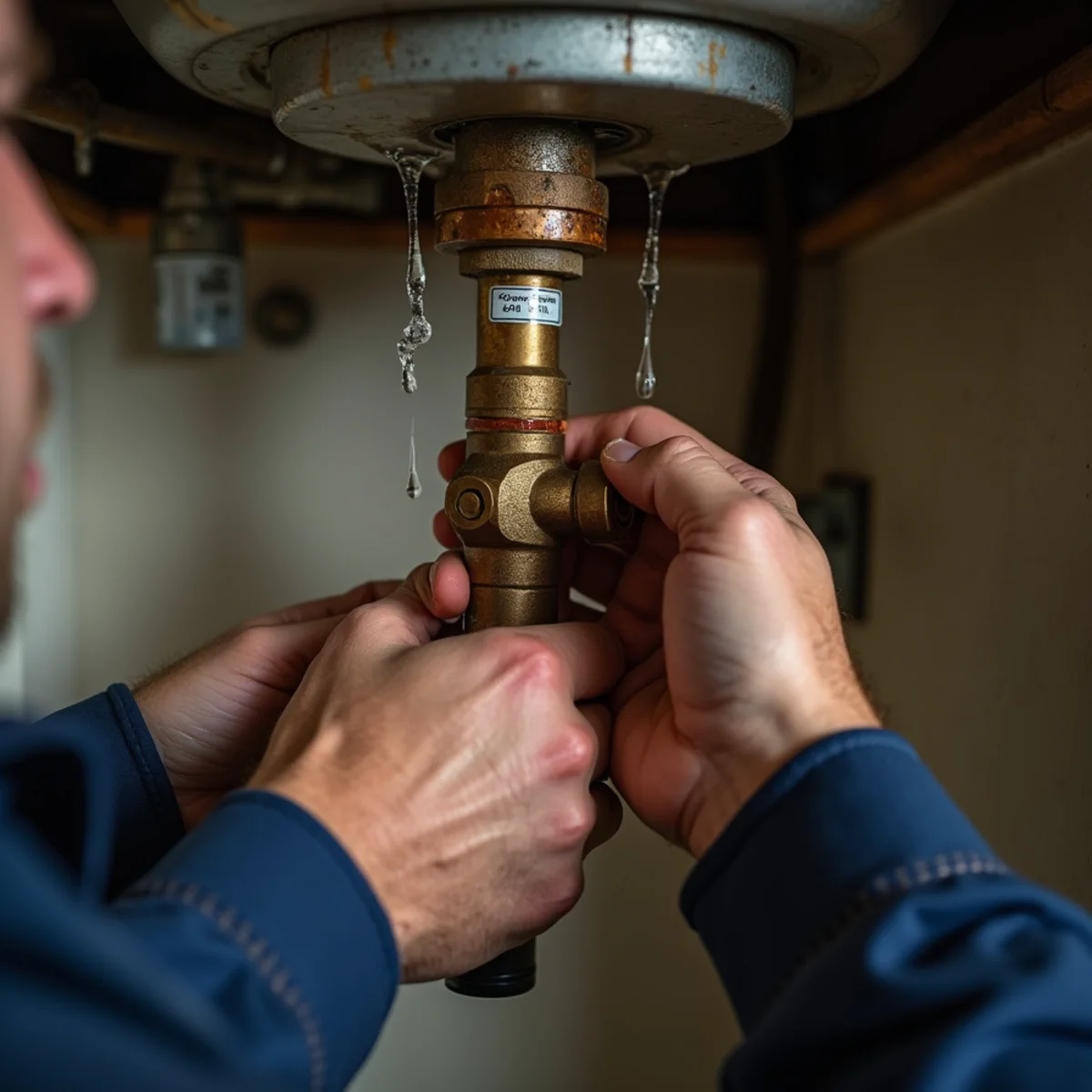

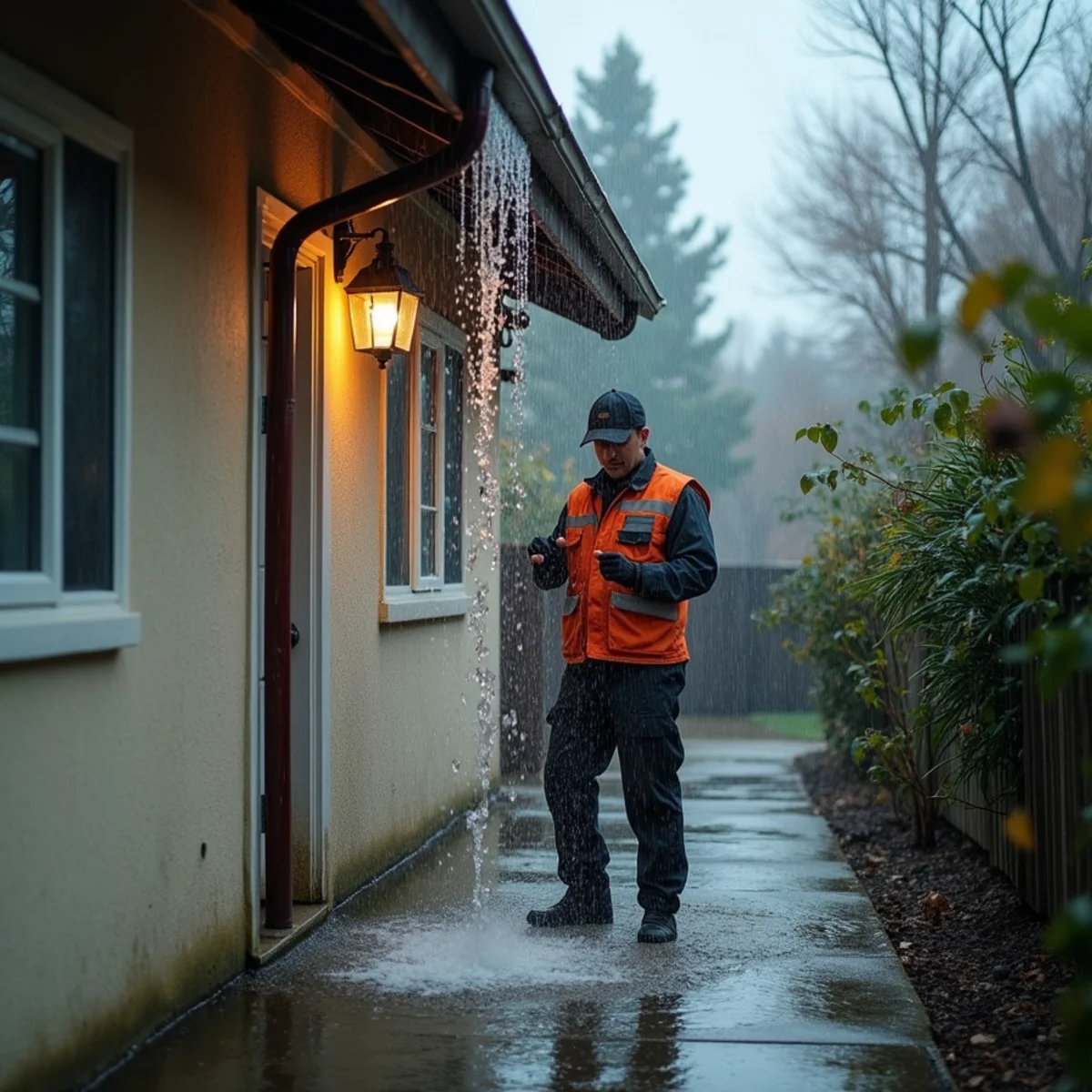
Rocklin gets only about 20 inches of rain a year, but nearly all of it arrives between November and March. A short pre-season checklist keeps that concentrated rain outside your home.
Rocklin's Rain Arrives in a Hurry
Rocklin does not get much rain by national standards — around 20 inches in an average year. What makes our rainfall notable is not the amount but the timing. Almost all of it falls in a narrow window between November and March. The rest of the year is dry, and summer brings long stretches of 100-degree heat with barely a cloud.
That pattern shapes how water damage happens here. Homes get a long, dry rest, then face months of concentrated rain, sometimes delivered in a few intense storms rather than spread out gently. A roof, gutter, or drainage weakness that went unnoticed all summer meets its test all at once.
The homeowners who come through the wet season dry are the ones who prepare before the first storm, not after the first leak.
A Feast-or-Famine Rain Pattern
The Mediterranean climate of the Sacramento Valley concentrates precipitation into the cool months. From roughly November through March, a series of Pacific storms delivers nearly the entire year's rainfall. Some winters are gentle. Others pack most of the total into a handful of powerful systems.
This concentration matters because it stresses a home's water defenses in a compressed period. Gutters that could shrug off a light drizzle can be overwhelmed by a heavy, sustained downpour. Ground that stayed bone-dry for six months saturates within days once the storms line up.
A house in this climate is essentially waterproofed for a test that comes only a few months a year — which is exactly why the weak points hide until the season hits.
Why the Dry Summer Makes the Wet Winter Worse
Rocklin summers are hot and dry, routinely topping 100 degrees. That heat is hard on the exterior materials that keep water out. Roofing shingles, sealants, caulking, and flashing all bake and expand under months of intense sun, then contract as temperatures fall. The cycle opens small gaps and cracks.
By the time the first November storm arrives, a roof or window seal may have been quietly compromised by the summer. The rain finds the opening the heat created. This is why so many first-storm leaks trace back to damage that was done in July, not December.
The dry season also lets debris accumulate. Leaves, needles, and dust collect in gutters and drains through the fall, and if they are not cleared, the first heavy rain has nowhere to go.
The Atmospheric River Factor
The storms that do the most damage in Rocklin are often atmospheric rivers — long, narrow bands of tropical moisture that stream in from the Pacific and stall over the Sierra foothills. An atmospheric river can drop more rain in a day or two than the region normally sees in weeks.
When that volume lands on saturated ground, drainage systems and creeks like Antelope Creek fill quickly, and homes with any weakness in their water defenses are exposed. These are the events that cause the flooded garages, the overwhelmed yard drains, and the roof leaks that soak a ceiling overnight.
You cannot stop an atmospheric river. You can make sure your home is ready to meet one, which comes down to a short list of pre-season tasks.
Your Pre-Season Checklist
The most valuable thing about Rocklin's rain pattern is that it is predictable. You know when the season starts and roughly when it ends, which means you can do nearly all of your preparation in a single dry-weather weekend before the first storm. That is a luxury homeowners in wetter climates do not have. The tasks are not complicated, and none of them require a contractor for a typical home — a ladder, a garden hose, a tube of sealant, and an afternoon cover most of them. The payoff is not hypothetical: the majority of first-storm water calls we take trace back to something on the list below that went undone through the long dry summer.
A weekend of preparation in October pays off through the whole wet season:
- Clear gutters and downspouts of summer debris and confirm they drain away from the foundation
- Inspect the roof for cracked, curled, or missing shingles and damaged flashing after the summer heat
- Reseal gaps around windows, doors, and roof penetrations
- Clear yard and area drains, and note where water pools on your lot
- Test your sump pump, if you have one, before you need it
- Keep sandbags or barriers on hand if your property drains toward Antelope Creek or a low point
Why Later Storms Can Do More Damage Than the First
The first storm of the season gets the attention because it finds the gaps that summer heat opened. But the storms that flood homes are often not the first, they are the third or fourth in a row. Rocklin's ground drains well when it is dry, but once a series of November and December systems has saturated the shallow soil over granite bedrock, there is nowhere left for new rain to go. It sheets across the surface and pools at the low points instead of soaking away.
That is why an atmospheric river landing in January or February, on ground already loaded from earlier storms, tends to do the real damage. The same two inches of rain that dry October ground would have absorbed runs straight toward foundations, garages, and creeks when the ground is full. Preparing before the first storm matters, but so does staying alert deeper into the season, when saturated ground turns an ordinary storm into a flooding one.
Ready for Storm Season Near Antelope Creek
If your Rocklin home sits near Antelope Creek or in a low-lying pocket, the wet season deserves respect. Twenty inches of rain is not a lot until most of it arrives in a few weeks of storms on already-saturated ground. Even a well-prepared home can be beaten by a big enough system.
It helps to think of the wet season as a single, concentrated test rather than a long, gentle drizzle. Twenty inches spread evenly over a year would barely register. Twenty inches delivered in a handful of atmospheric-river storms, on ground that has been baking and cracking since May, is a different thing entirely — and it is the reality Rocklin homes are built to face. The exterior that looked sound in August may have hairline gaps the first heavy rain will find. A little skepticism about your own roof and gutters before November is the cheapest insurance there is.
Prepare what you can before November, and know who to call when a storm gets the better of your defenses. Our crews know Rocklin's rain pattern and its drainage. Call (201) 277-9344 for storm damage cleanup any time between the first storm and the last.
Need help right now in Rocklin? Our line is open 24/7.
(201) 277-9344Frequently asked
About 20 inches in an average year, with almost all of it falling between November and March. The rest of the year is dry, with hot summers that routinely top 100 degrees.
Months of intense summer heat crack sealants, shingles, and flashing, and debris clogs gutters. The first heavy rain finds those summer-made weak points all at once.
Act fast. Storm water is treated as contaminated and spreads quickly. Call (201) 277-9344 for storm damage cleanup — we extract, sanitize, and dry the structure to prevent mold.
The heaviest damage often comes mid-season, once repeated storms have saturated the ground and a strong atmospheric river arrives with nowhere for the water to soak in. Early storms expose summer-made roof and gutter gaps; later ones bring the flooding. Both halves of the season deserve attention.
For a typical home, yes. Clearing gutters and drains, checking the roof and flashing, resealing gaps, and testing a sump pump fit into a single dry-weather weekend before November. If a storm still gets the better of your defenses, call (201) 277-9344 for storm damage cleanup.
Related help from our team
Restoration Rocklin CA
IICRC-Certified Water Damage Restoration Team
We're a locally based, IICRC-certified water damage restoration team serving Rocklin and Placer County 24/7. Questions about your situation? Call (201) 277-9344.