
Who pays when a pipe bursts in a California rental? A property manager's guide to landlord and tenant responsibility, habitability duties, and a response playbook for water damage.
The question every property manager gets: who pays?
When a pipe bursts or a tub overflows in a rental, the first question everyone asks is who pays for it. For a property manager, the honest answer is that it depends on the source, the lease, and whether anyone was negligent. But there is a general framework in California that helps you respond calmly and fairly.
This guide lays out how responsibility typically divides between landlord and tenant, what the law expects of each, and a practical playbook for handling a water event. It is general, educational information, not legal advice. For any specific dispute, confirm against the lease and with your insurance carrier and counsel.
The general rule: habitability versus tenant fault
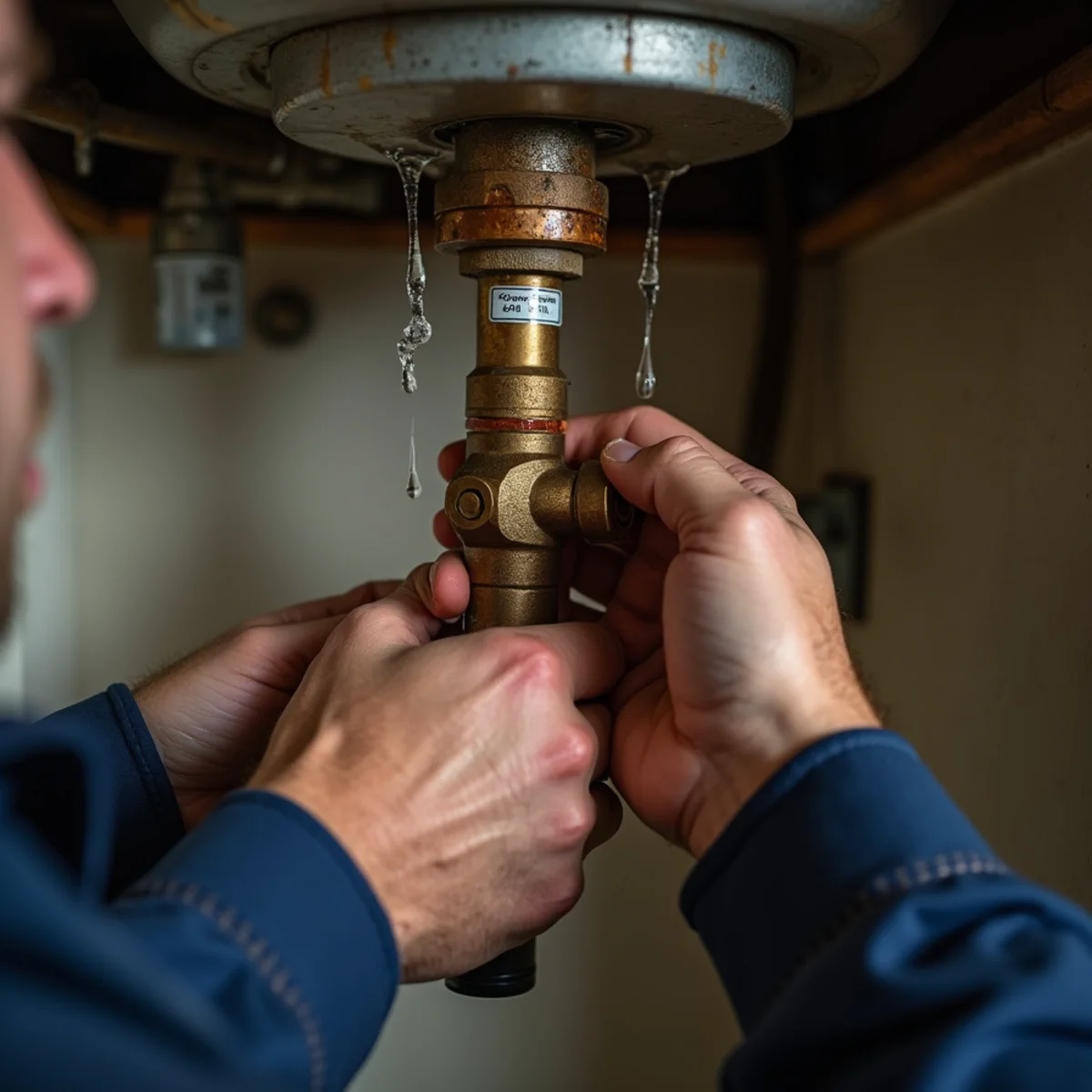
California landlords have a legal duty to maintain rental units in a habitable condition. That implied warranty of habitability covers working plumbing and keeping the structure weatherproof and sound. When water damage results from a building failure, an aging pipe, a roof leak, or a failed water heater the landlord should have maintained, it generally falls to the landlord to repair.
The line shifts when the tenant caused the problem. If damage results from tenant negligence or misuse, an overflowed tub left running, a fish tank that failed, or a reported leak they ignored, the tenant is generally responsible for the resulting damage. Most real situations are some mix, which is why documentation matters so much.
What the landlord is generally responsible for
The building itself and its systems are the landlord's domain. Under the warranty of habitability and typical lease terms, the owner maintains the structure, the plumbing, and the fixed equipment, and repairs damage that stems from their failure. That includes drying and restoring the unit after a covered building-source loss so it stays habitable.
Speed still matters here. A landlord who delays repairs after a report can face habitability problems and a larger loss, so responding quickly is both a legal and a practical priority.
- Maintaining plumbing, pipes, and drainage in working order
- Repairing structural leaks from the roof, walls, or foundation
- Maintaining landlord-owned appliances like the water heater
- Restoring the unit to habitable condition after a building-source loss
- Carrying insurance on the building structure itself
- Responding promptly once a tenant reports a leak or water problem
What the tenant is generally responsible for
The tenant's belongings and their own conduct are their responsibility. A landlord's building policy does not cover a tenant's furniture, electronics, or clothing. That is what renters insurance is for, and it is worth requiring in the lease. Damage the tenant causes through negligence is also generally on them.
The most common flashpoint is a leak the tenant knew about and did not report. Prompt reporting protects the tenant; sitting on a slow drip until it becomes a mold problem can shift responsibility their way. Spell out reporting duties clearly in the lease.
- Their own personal property, covered by renters insurance, not the landlord
- Damage caused by their negligence or misuse
- Reporting leaks and water problems to management promptly
- Damage from an unreported problem that was allowed to worsen
- Their own guests' or pets' actions in the unit
- Reasonable care of tenant-owned appliances they installed
A response playbook for property managers
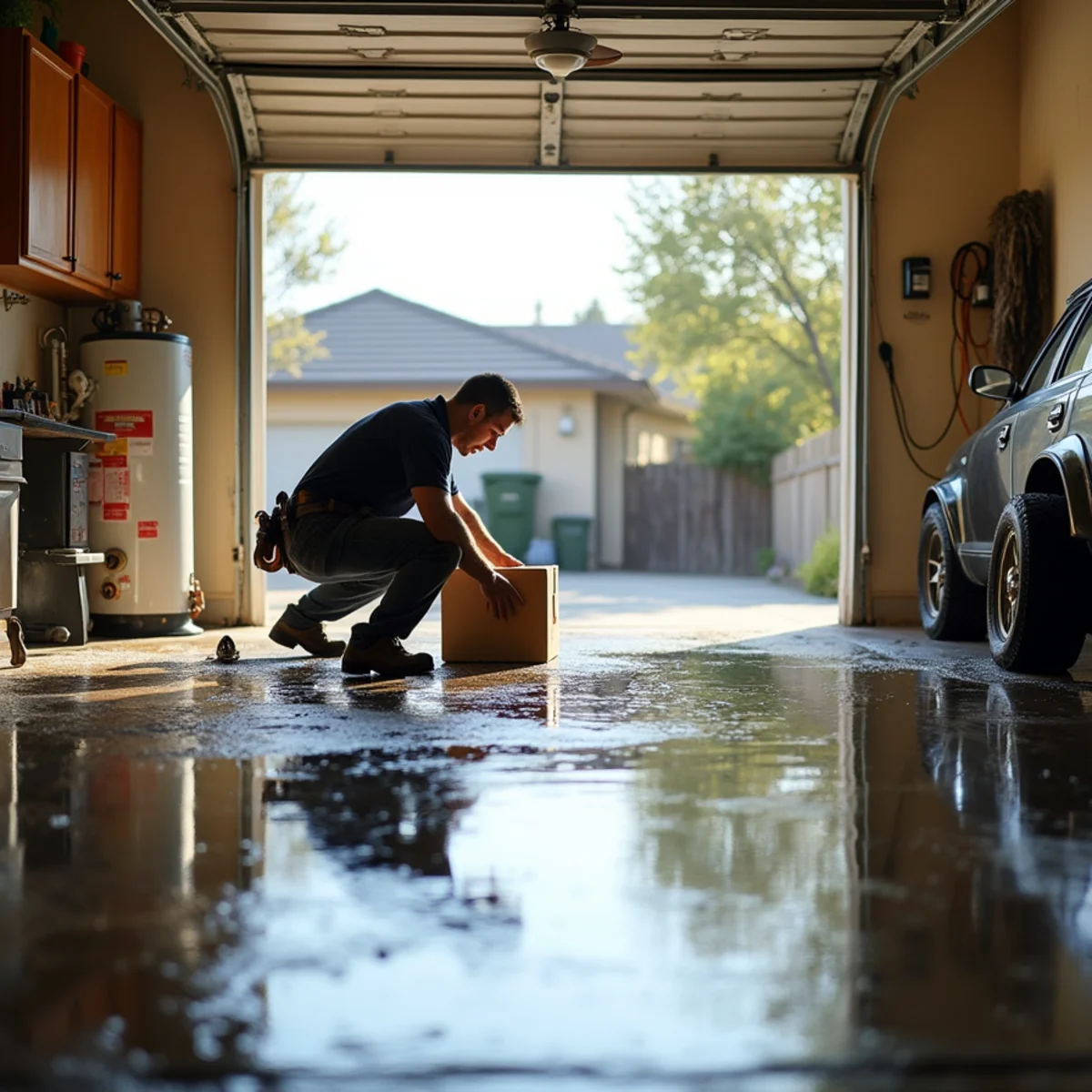
Whatever the eventual responsibility, your first moves are the same: make the unit safe, stop the water, and get it dried before mold sets in. Sorting out who pays comes after the damage is contained, not before. Delaying restoration to argue liability only makes the loss bigger and the habitability problem worse.
Document thoroughly and communicate in writing. Good records protect everyone and resolve most disputes before they start. For multi-unit properties across Rocklin, Citrus Heights, and the region, we work directly with property managers to respond fast and document the loss for the claim.
- Treat safety and habitability first; stop the source and extract water
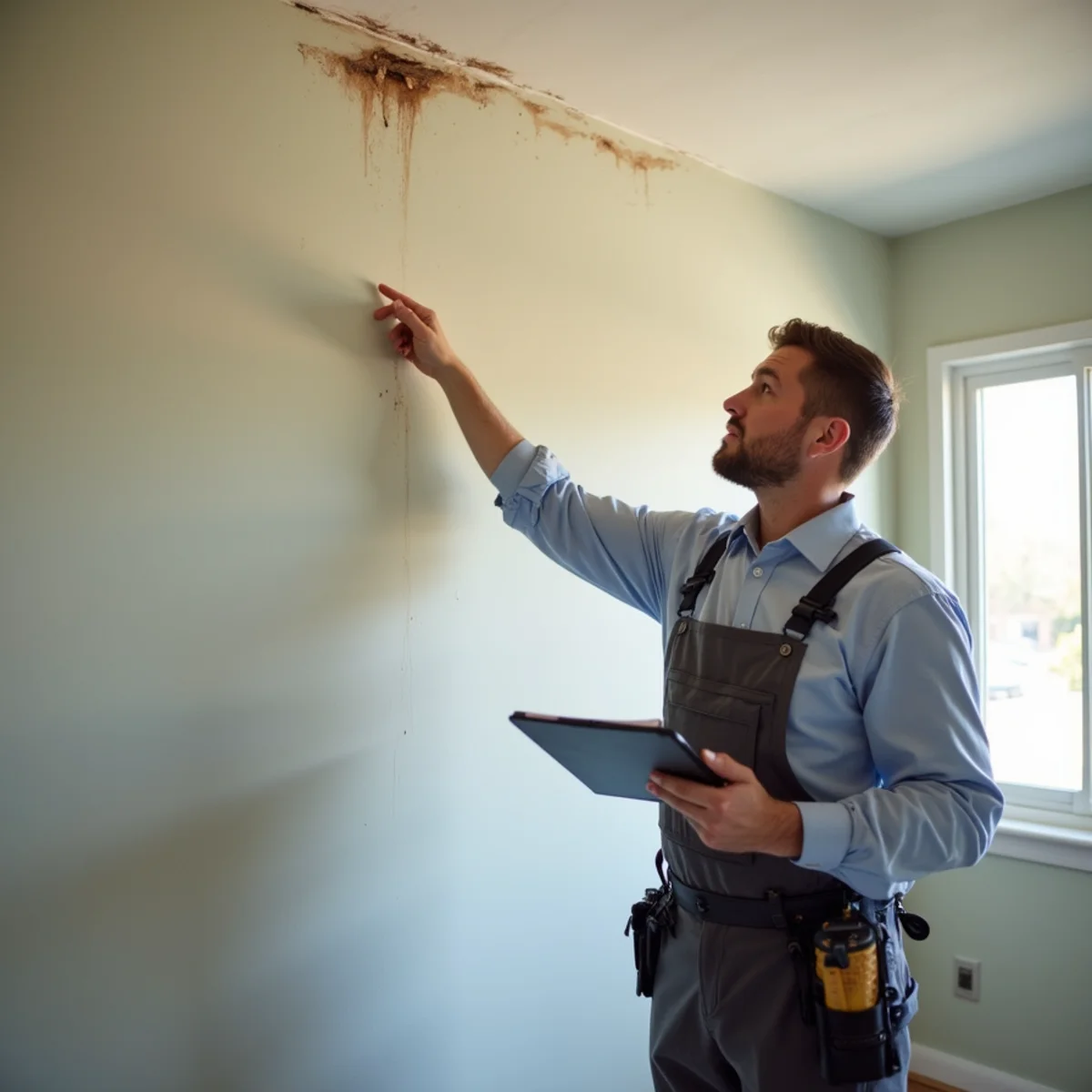
- Photograph and document the damage and the likely cause
- Notify your insurance carrier and, if needed, the tenant's
- Bring in commercial water damage restoration to dry it properly
- Keep written records of reports, timelines, and communications
- Confirm responsibility against the lease and carrier, not on the spot
How lease terms and upkeep prevent disputes
Most water-damage arguments trace back to something that was never written down or never maintained. A clear lease and a simple maintenance schedule head off the majority of them before they start. This is general guidance, not legal advice, so run your lease language past your own counsel.
The pattern is consistent across a portfolio. Spell out who does what, require the coverage that protects the tenant's belongings, and keep the building's plumbing on a schedule. Do those three things and the who-pays question rarely turns into a fight.
- Require renters insurance in the lease and confirm it at renewal
- Spell out the tenant's duty to report leaks promptly and in writing
- Provide a simple way for tenants to report a problem after hours
- Track the age of each water heater and replace it before it fails
- Inspect supply lines, hoses, and caulking between tenancies
- Keep written records of every report, repair, and communication
One call for multi-unit water emergencies
When water hits a rental, the fastest path through it is to contain the damage first and settle the paperwork second. A dry, safe unit keeps you compliant with habitability duties and keeps the loss small.
Restoration Rocklin CA works with property managers and landlords across Rocklin and Placer County, including Citrus Heights, on fast commercial water damage restoration and thorough documentation. IICRC-certified, licensed and insured. Call (201) 277-9344.
Need help right now in Rocklin? Our line is open 24/7.
(201) 277-9344Frequently asked
Generally, the landlord handles damage from building failures under the warranty of habitability, and the tenant handles damage they caused through negligence and their own belongings. It depends on the source and the lease. This is general information, not legal advice.
No. A landlord's policy covers the building, not the tenant's personal property. Tenants need their own renters insurance, which many leases require.
Make the unit safe, stop the water, and get it professionally dried before mold develops. Document everything, notify the carrier, and sort out responsibility afterward. Call (201) 277-9344 for fast response.
Landlords commonly require renters insurance as a lease term, since a landlord's building policy does not cover a tenant's belongings. Exactly what you can require and how you enforce it should be confirmed with your own counsel and the lease. This is general information, not legal advice.
Promptly. California's warranty of habitability expects landlords to keep plumbing in working order and address problems without unreasonable delay, and a slow response can grow both the damage and your liability. When a tenant reports water, the practical move is to stop the source and dry it fast, then sort out responsibility. Call (201) 277-9344 for fast multi-unit response.
Related help from our team
Restoration Rocklin CA
IICRC-Certified Water Damage Restoration Team
We're a locally based, IICRC-certified water damage restoration team serving Rocklin and Placer County 24/7. Questions about your situation? Call (201) 277-9344.