
The time to find your main water shutoff is before a pipe bursts. Here is where it hides and how to close it in seconds when it matters.
Two Minutes Now Saves Thousands Later
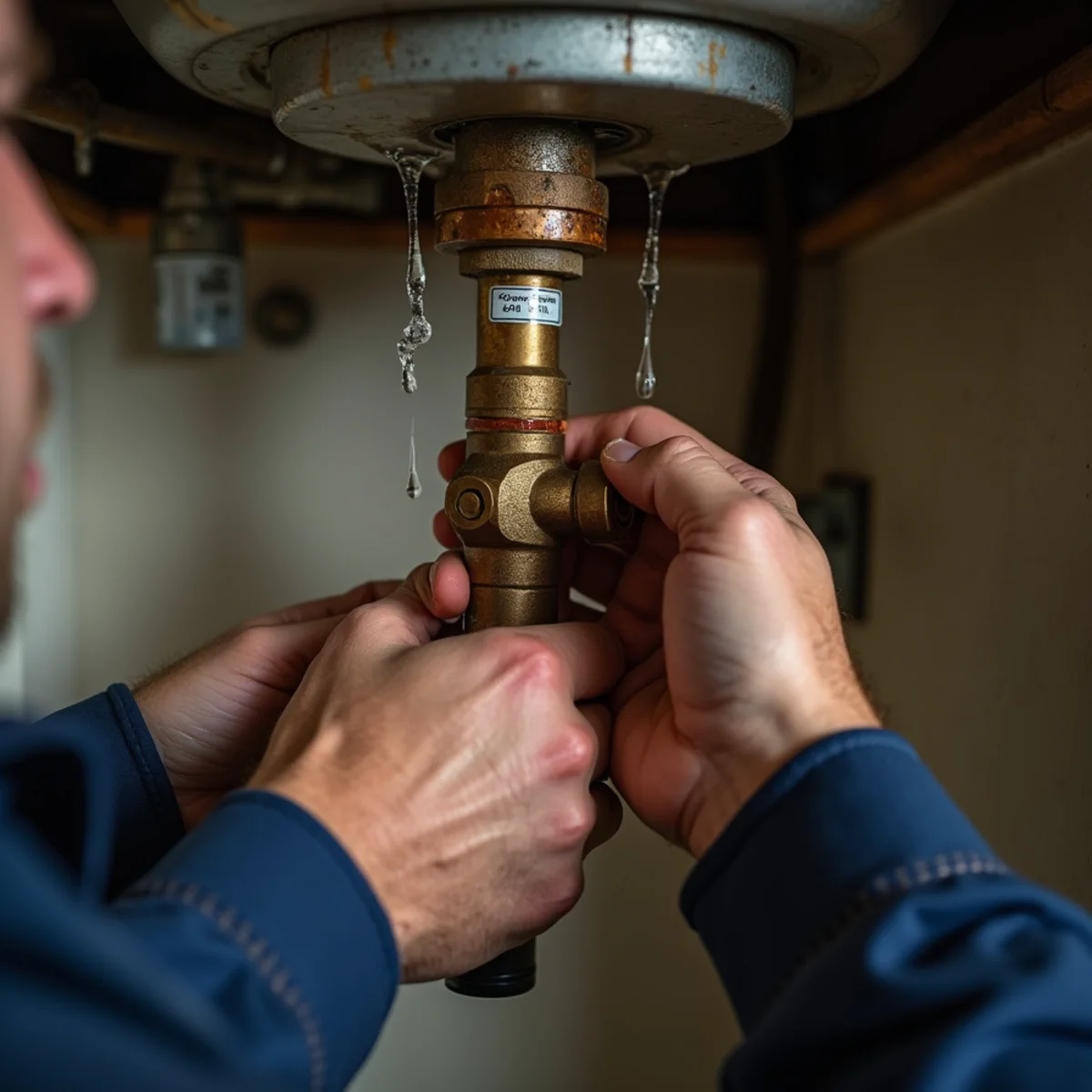
When a pipe bursts, the single most valuable thing you can do is shut off the water fast. Yet most people go looking for the valve for the first time while water is pouring across the floor — and lose ten frantic minutes they did not have.
Finding your main shutoff today, and turning it once so you know it works, is one of the cheapest forms of home insurance there is. It takes two minutes and it can cut a flooding loss dramatically. It is also something the whole household can learn in the same two minutes. The valve does not help if the only person who knows where it is happens to be out when the pipe lets go. Treat it like knowing where the fire extinguisher is — basic, boring, and occasionally the thing that saves you thousands.
This guide shows you where the valve hides in Roseville and Rocklin homes, how to close it, and what else to know before an emergency. If you are already dealing with a flood, call (201) 277-9344 for a 60-minute emergency water removal response.
Where the Main Shutoff Hides
There are usually two shutoffs that matter. The one inside your home controls water to the house and is the one you will use most often. The other is at the street, at the meter, and controls the whole property.
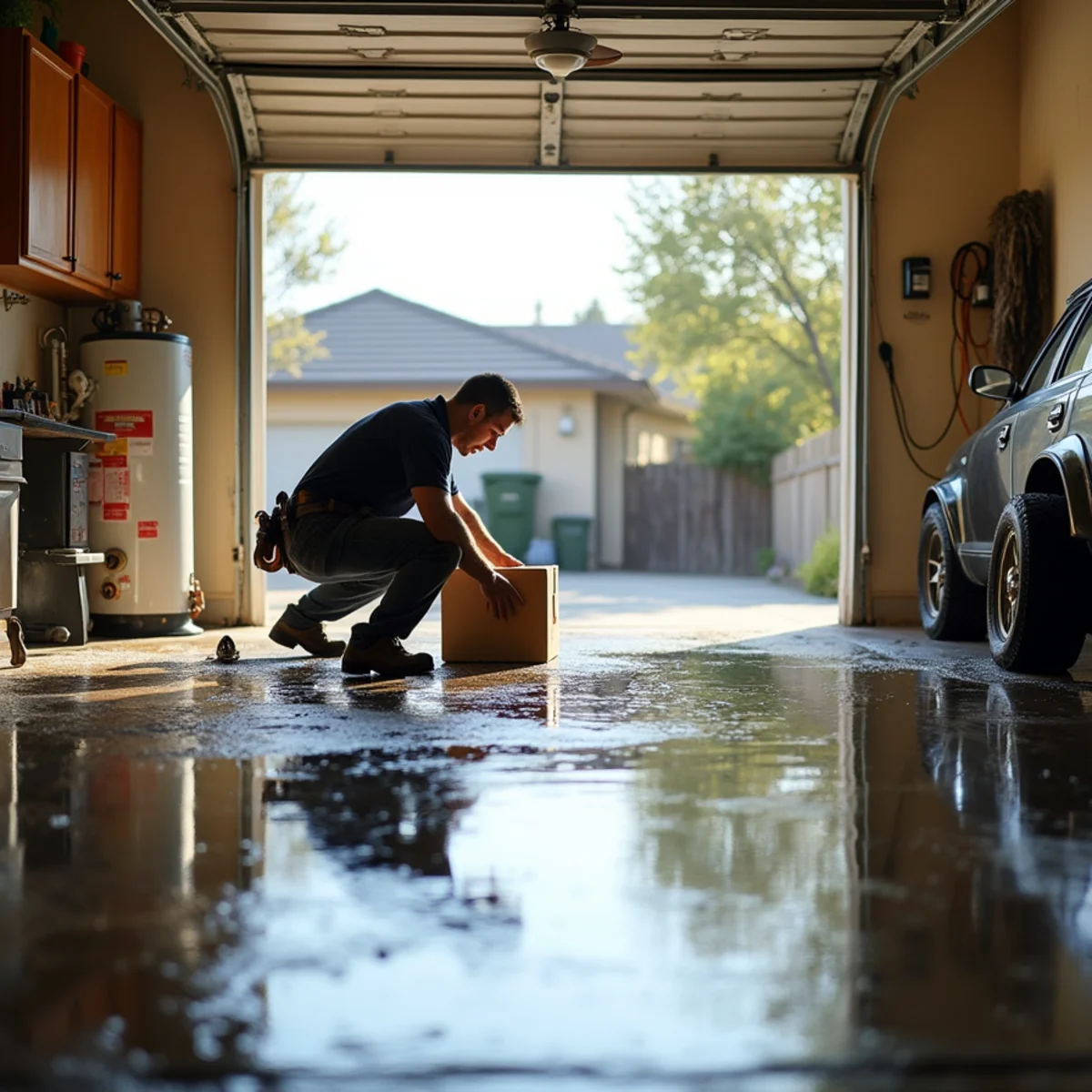
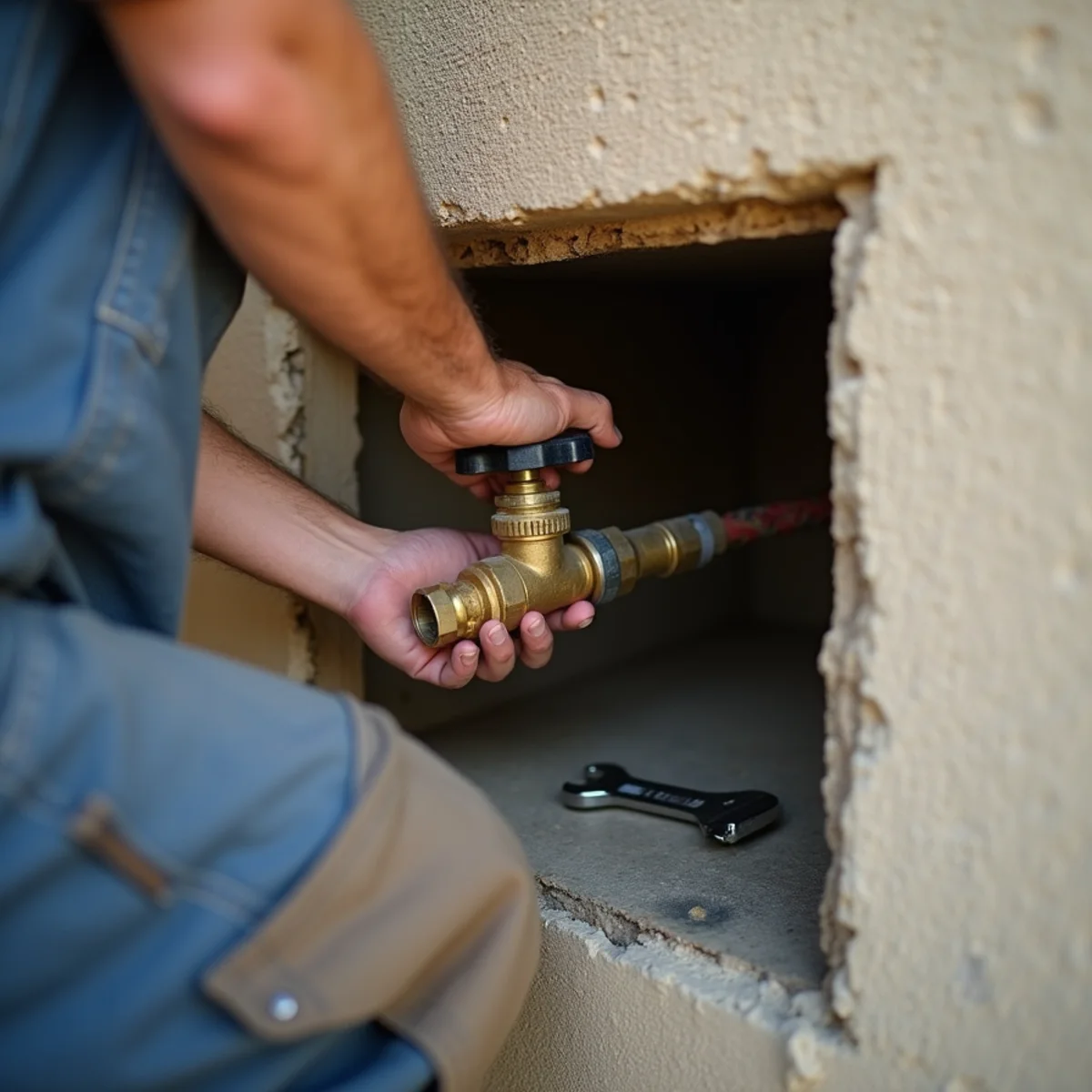
In this region, the interior main valve is most often in the garage on the wall shared with the house, in a utility closet, or on an exterior wall near where the water line enters. Look for a pipe coming out of the wall or slab with a valve on it.
The street shutoff sits in a covered box near the curb, often marked. You will need a meter key or a wrench to turn it, and it is the backup when the interior valve is stuck or you cannot reach it.
- Garage wall where the water line enters the house
- A utility or water-heater closet
- An exterior wall, often near the front hose bib
- The curb box at the street meter (needs a meter key)
How to Actually Turn It Off
There are two common valve types. A ball valve has a straight lever handle — turn it a quarter turn so the handle sits across the pipe, and the water is off. A gate valve has a round wheel handle — turn it clockwise, several full turns, until it stops.
Test it now, gently. If a round-handle valve has not been turned in years, it can be stiff or seep afterward, which is worth knowing before an emergency rather than during one. If it will not budge or leaks when you close it, have it replaced with a modern quarter-turn ball valve.
After the main is off, open a faucet at the lowest point in the house to drain the pressure out of the lines. That relieves the system and slows any active leak while help is on the way.
Teach the Household and Label It
The valve only helps if the person who is home can find it. Show everyone in the household where it is and how to close it, including teenagers and anyone who watches the house while you travel. In a real emergency, the fastest hands win.
Tag the valve with a simple label so no one has to think. A luggage tag or a bit of tape that reads MAIN WATER SHUTOFF, plus an arrow showing which way closes it, removes all guesswork at 2 a.m.
If you own an older Roseville or Placer County home with original plumbing, this matters even more. Aging pipes fail suddenly, and knowing your shutoff cold is the difference between a mop-up and a major loss.
The Other Shutoffs Worth Knowing
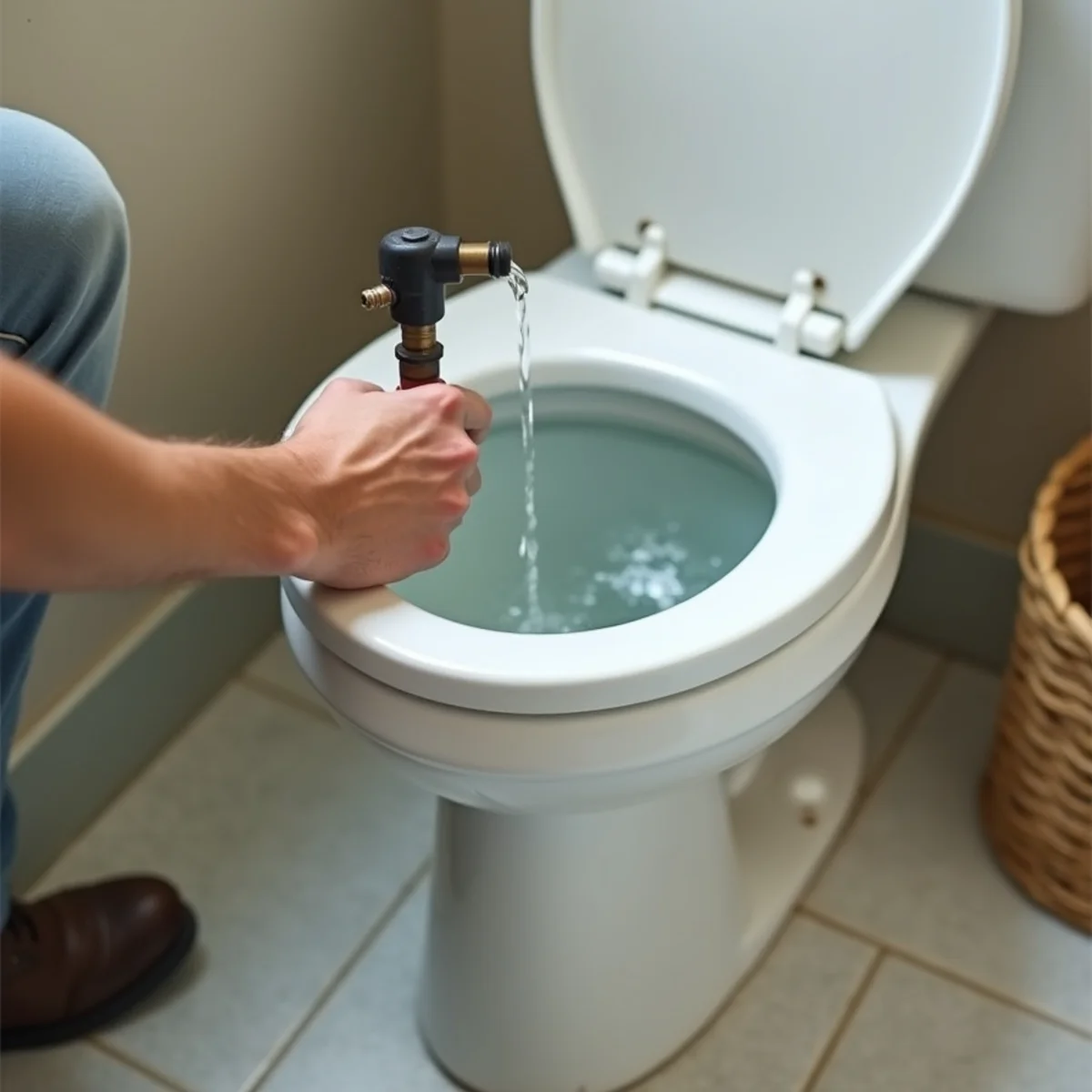
The main valve stops everything, but sometimes you only need to isolate one fixture. Learn the local shutoffs too: the valve under each sink, the one behind each toilet, and the valve on top of your water heater. Closing the right local valve stops a leak without cutting water to the whole house.
Two shutoffs deserve special attention. Your water heater has its own cold-water supply valve — know it, because a failed heater is one of the most common garage floods. And if you have an ice maker or a dishwasher, each has a small supply valve of its own that can fail without warning.
It also helps to keep a meter key on hand for the street shutoff, and to make sure the curb box is clear of dirt and landscaping. In an emergency you do not want to be digging out the lid before you can even reach the valve.
Should You Install an Automatic Water Shutoff?
Knowing where your main valve is protects you when you are home and awake. An automatic shutoff protects you when you are not. These devices mount on the main line and watch the flow: a smart valve senses the continuous, abnormal flow of a burst pipe or a running hose and closes the water on its own, often before anyone notices a problem.
There are two broad types. Simple leak sensors sit under a water heater, washer, or sink and sound an alarm or notify your phone when they get wet. Whole-home flow-sensing valves go a step further and actually shut the water off automatically. For a home that sits empty during the workday, or while you travel, that automatic cutoff is exactly the protection a manual valve cannot give — and some insurers offer a premium discount for installing one.
- Point leak sensors alert you when a spot gets wet
- Whole-home flow valves shut the water off automatically
- Best for homes left empty during the day or on trips
- Some insurers discount premiums for an automatic shutoff
Get Help Now
Even with the water shut off fast, a burst line leaves standing water and hidden moisture that needs to come out before it wicks into your floors and walls. Shutting the valve buys you time; professional extraction and drying finish the job.
We serve Roseville, Rocklin, and Placer County with 60-minute emergency water removal. Save (201) 277-9344 in your phone now, alongside knowing where your valve is. If the worst happens, you will have both the valve and the crew ready.
Need help right now in Rocklin? Our line is open 24/7.
(201) 277-9344Frequently asked
In most Roseville and Rocklin homes it is in the garage on the shared wall, in a utility closet, or on an exterior wall where the line enters. There is also a street shutoff at the curb meter box that needs a meter key to turn.
A lever-style ball valve turns a quarter turn so the handle sits across the pipe. A round-wheel gate valve turns clockwise several full turns until it stops. After it is off, open a low faucet to drain the remaining pressure.
Older gate valves can seize or seep after years unused. If yours will not turn or leaks, have it replaced with a modern quarter-turn ball valve. In the meantime, use the street shutoff, and call (201) 277-9344 if flooding has already started.
It is a device on your main water line that senses the abnormal, continuous flow of a burst pipe or running line and closes the water automatically, even when no one is home. Paired with leak sensors near appliances, it can stop a flood before it spreads. Some insurers offer a discount for having one.
Exercise it about once a year by closing and reopening it, so it does not seize from sitting unused. Older round-handle gate valves are especially prone to sticking or seeping. If yours will not turn or leaks when closed, replace it with a quarter-turn ball valve, and call (201) 277-9344 if a leak has already started.
Related help from our team
Restoration Rocklin CA
IICRC-Certified Water Damage Restoration Team
We're a locally based, IICRC-certified water damage restoration team serving Rocklin and Placer County 24/7. Questions about your situation? Call (201) 277-9344.