
Good documentation is what gets a water damage claim paid in full. Use this photo and receipt checklist to protect your claim from the first minute.
Documentation Is What Gets a Claim Paid
Two homeowners can have the same water loss and get very different settlements. The difference is usually documentation. The one who photographed everything, saved receipts, and captured the damage before cleaning gets paid for the full loss. The one who cleaned up first and filed later leaves money on the table.
Your goal is simple: prove what happened, prove it was sudden, and prove the extent of the damage. The checklist below does exactly that, and most of it takes only a phone camera and a few minutes. Those few minutes are some of the best-paid work you will ever do. An hour of careful photos and notes at the start can be worth thousands at the end, because the burden is on you to show what you lost. The homeowner who documents well is simply harder to under-pay.
Do this before you start cleaning, but never let documentation delay safety or stopping the water. If you need emergency help in Lincoln or nearby, call (201) 277-9344 — we document as we work, too.
Photograph Everything — Before You Touch It
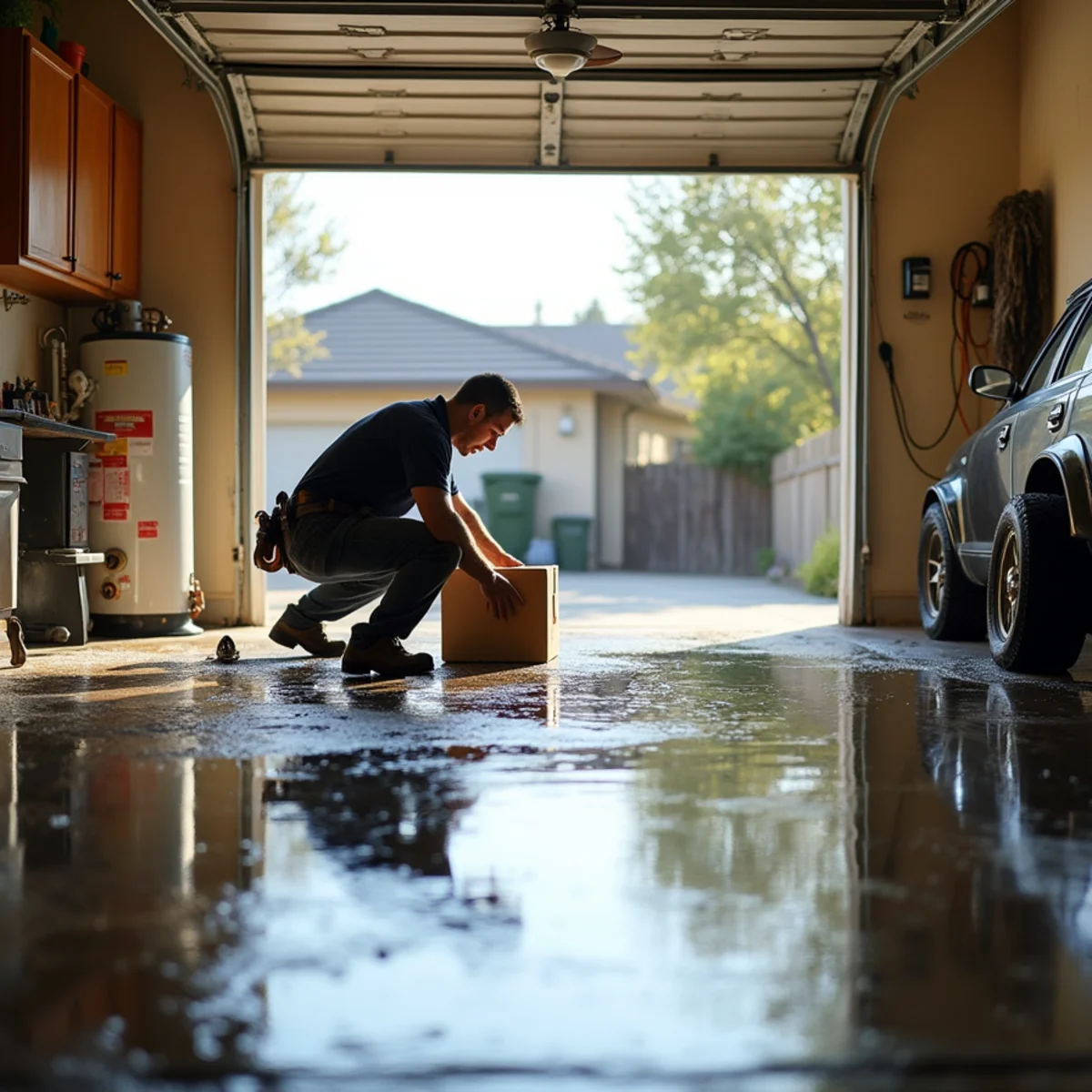
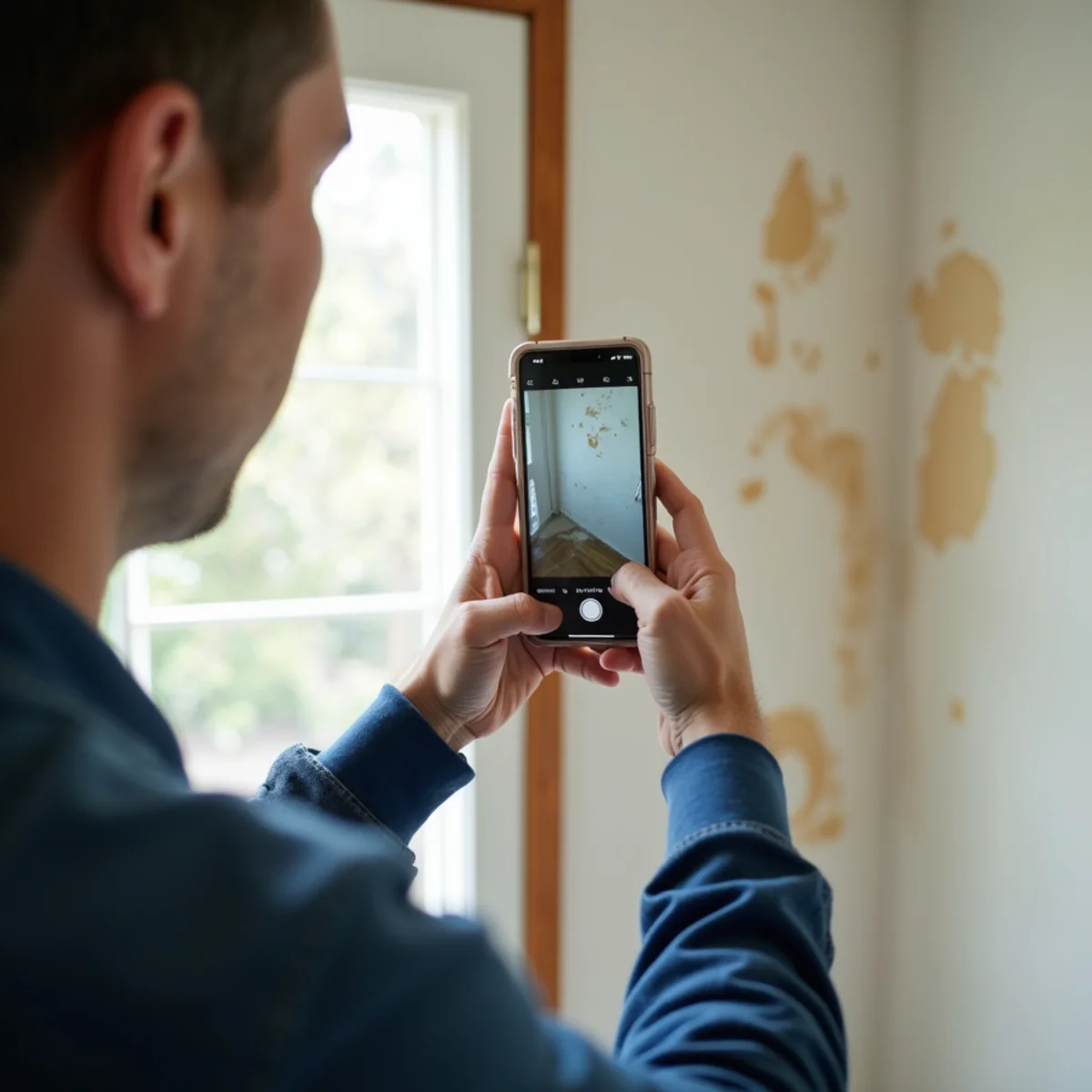
Photos are the backbone of your claim. Before you move or clean anything, capture wide shots of each affected room and close-ups of the damage. Get the standing water, the source of the leak, the soaked materials, and every damaged belonging.
Shoot short video too, narrating what you are seeing room by room. Video captures the scale of a loss in a way still photos can miss, and the timestamp helps establish when the damage occurred.
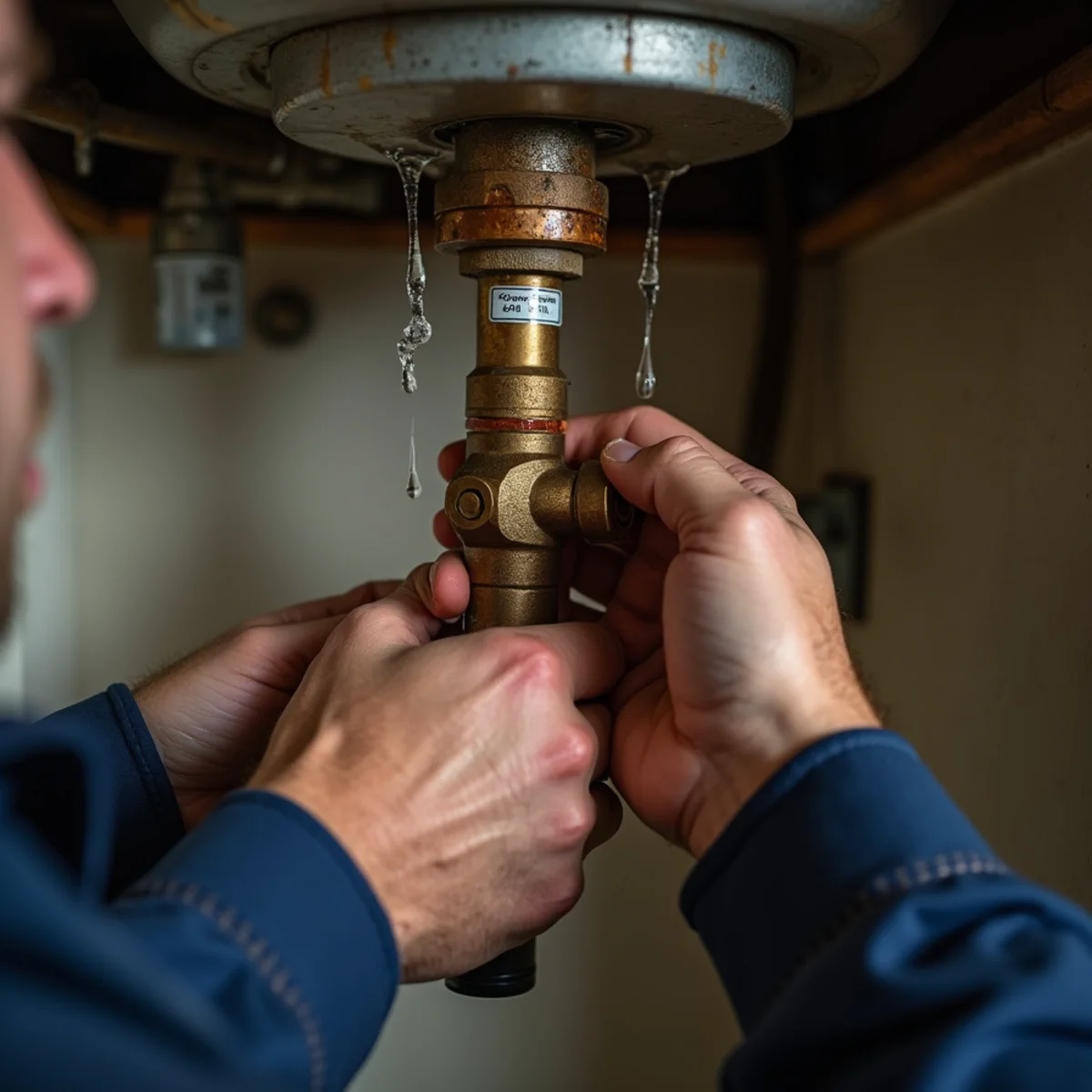
Photograph the source of the failure specifically — the burst pipe, the failed water heater, the overflowing appliance. Proving the loss was sudden and accidental is what separates a covered claim from a denied one.
- Wide shots of every affected room before cleanup
- Close-ups of the source: pipe, appliance, or entry point
- Standing water, soaked flooring, walls, and ceilings
- Each damaged belonging, with brand and model where visible
- Short narrated video walking through the damage
Build the Paper Trail
Alongside photos, keep every piece of paper the loss generates. Save receipts for anything you buy during the emergency — tarps, a wet vac, fans, a hotel stay if the home is unlivable. Many policies reimburse reasonable expenses and additional living costs, but only with receipts.
Make an itemized inventory of damaged belongings: what it is, roughly when you bought it, and what it cost to replace. Where you have original purchase receipts or photos of the items from before, include those. This inventory is what supports your contents claim.
Keep a simple log of the event: when you discovered the damage, when you shut off the water, when you called your carrier, and every conversation with the insurer after. Dates and names matter if the claim gets complicated.
- Receipts for emergency purchases and temporary lodging
- An itemized inventory of every damaged item
- Prior receipts or photos proving what items were worth
- A dated log of calls and actions from discovery onward
Do Not Throw Damaged Items Away Yet
It is tempting to haul the ruined carpet and soaked furniture to the curb immediately. Resist it. Your adjuster may want to inspect damaged materials, and discarding them too soon can undercut your claim.
Report the loss to your carrier promptly, but wait for guidance on disposal, or at least document each item thoroughly and keep it aside until the adjuster has seen the scope. If materials must be removed immediately for safety or to prevent mold, photograph them exhaustively first.
You are required to prevent further damage — that is called mitigation — so you should still stop the water and start drying. Just do not erase the evidence of the loss in the process.
Report Promptly and Know Your Policy
Timing is part of documentation. Most policies require you to report a loss promptly, and a claim filed weeks later invites the argument that the damage was gradual rather than sudden. Call your carrier soon after you discover the loss, even if you do not yet know its full extent.
When you call, get the basics in writing: your claim number, the adjuster's name and contact, and what the carrier wants you to do about damaged materials before disposal. Ask specifically whether your policy includes additional living expenses if the home is unlivable, and what documentation they need for it.
Read your own declarations page before the adjuster arrives so you know your deductible, your limits, and any endorsements you carry, such as sewer backup coverage. Walking into the conversation informed changes how it goes, and it keeps a fair claim from being quietly under-scoped.
What to Do When the Adjuster's Estimate Comes In Low
A low estimate is often not bad faith — it is an adjuster working fast and pricing only what was easy to see. The wet drywall inside a wall, the soaked subfloor under the tile, and the drying days a structure actually needs are exactly the items that get left out when no one measures moisture. That is where an independent restoration scope earns its keep.
Compare the carrier's estimate line by line against a professional, itemized scope backed by moisture readings and thermal images. Where the scope shows damage the estimate missed, you have grounds to request a supplement — a formal addition to the claim for the overlooked work. Send the documentation, put the request in writing, and keep a dated record of the exchange. Most reasonable gaps get closed this way, without a fight, simply because the evidence is hard to argue with.
- Compare the estimate line by line to an itemized restoration scope
- Flag hidden moisture and drying time the adjuster could not see
- Request a supplement in writing, backed by readings and photos
- Keep a dated record of every exchange with the carrier
Let a Pro Document With You — Call Us
Professional restoration documentation carries real weight with adjusters: moisture readings, thermal images, category classification, and itemized scopes that show the full extent of a loss, including the damage you cannot see behind walls and under floors.
That hidden-moisture piece matters more than it sounds. The single most common way a claim gets under-paid is that the wet drywall inside a wall, or the soaked subfloor under the tile, never makes it into the scope because no one measured it. Instruments catch what the eye misses.
We document every step as part of our emergency water removal and restoration, and we can bill your carrier directly for covered work. Call (201) 277-9344 in Lincoln or anywhere across the area, and we will make sure your claim reflects the whole loss — not just the parts that were easy to photograph.
Need help right now in Rocklin? Our line is open 24/7.
(201) 277-9344Frequently asked
Wide shots of each affected room, close-ups of the source, standing water, soaked flooring, walls, and ceilings, and every damaged belonging with brand and model where visible. Add a short narrated video. Capture it all before you clean or move anything.
No. Your adjuster may want to inspect damaged materials, and discarding them too soon can undercut your claim. If items must go immediately for safety or to prevent mold, photograph them exhaustively first, then remove them.
Keep receipts for emergency purchases like tarps, fans, and a wet vac, plus any hotel stay if the home is unlivable. Many policies reimburse reasonable expenses and additional living costs, but only with documentation. Save everything from the first day.
You can request a supplement — a formal addition to the claim — backed by an itemized restoration scope with moisture readings and thermal images showing what the estimate missed. Hidden wet drywall and soaked subfloor are the usual gaps. Call (201) 277-9344 and we will document the full loss so nothing gets left out.
Promptly, ideally the same day you discover it. Most policies require timely reporting, and a claim filed weeks later invites the argument that the damage was gradual. Stop the water and start mitigating first, then call your carrier even before you know the full extent, since you can update the scope as it becomes clear.
Related help from our team
Restoration Rocklin CA
IICRC-Certified Water Damage Restoration Team
We're a locally based, IICRC-certified water damage restoration team serving Rocklin and Placer County 24/7. Questions about your situation? Call (201) 277-9344.