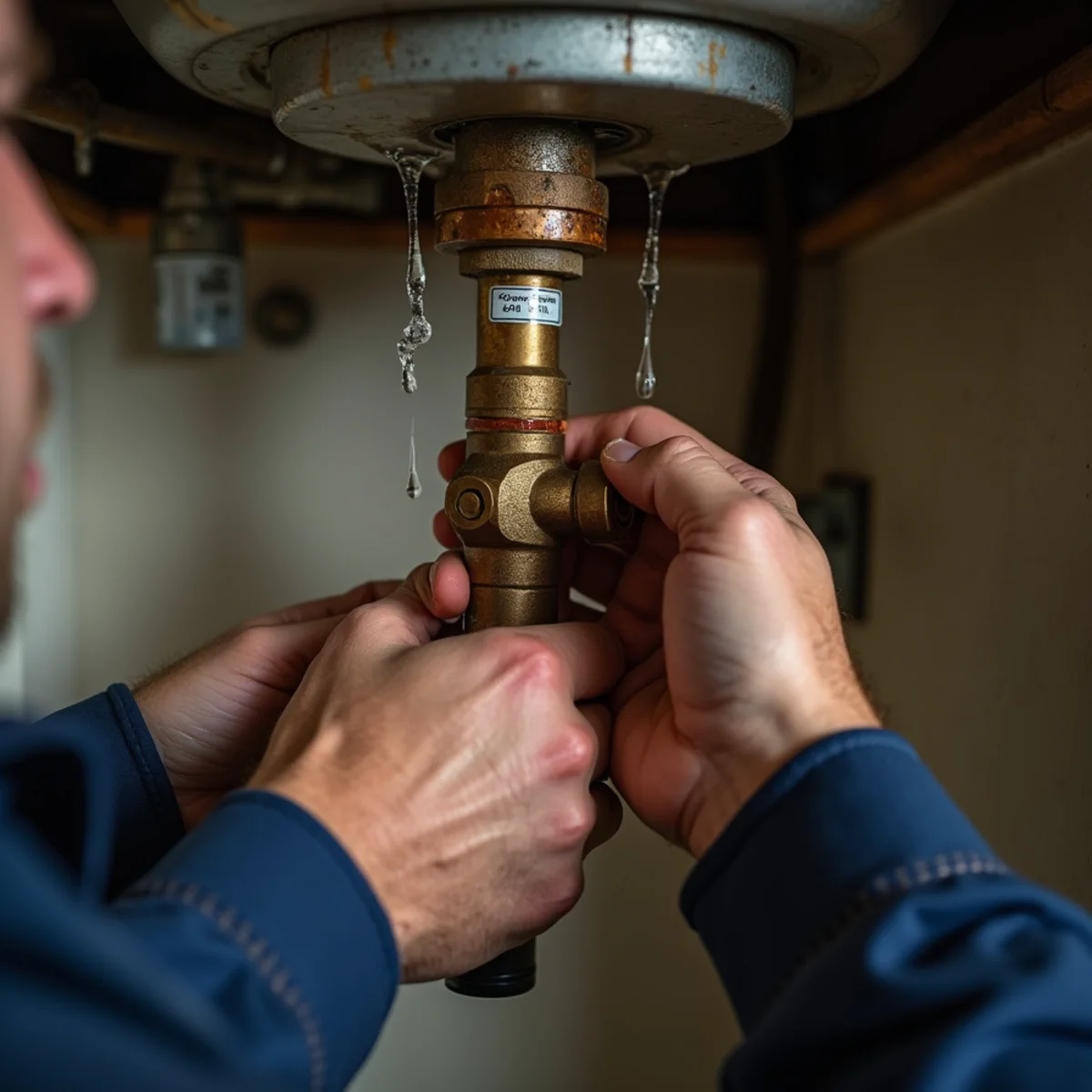

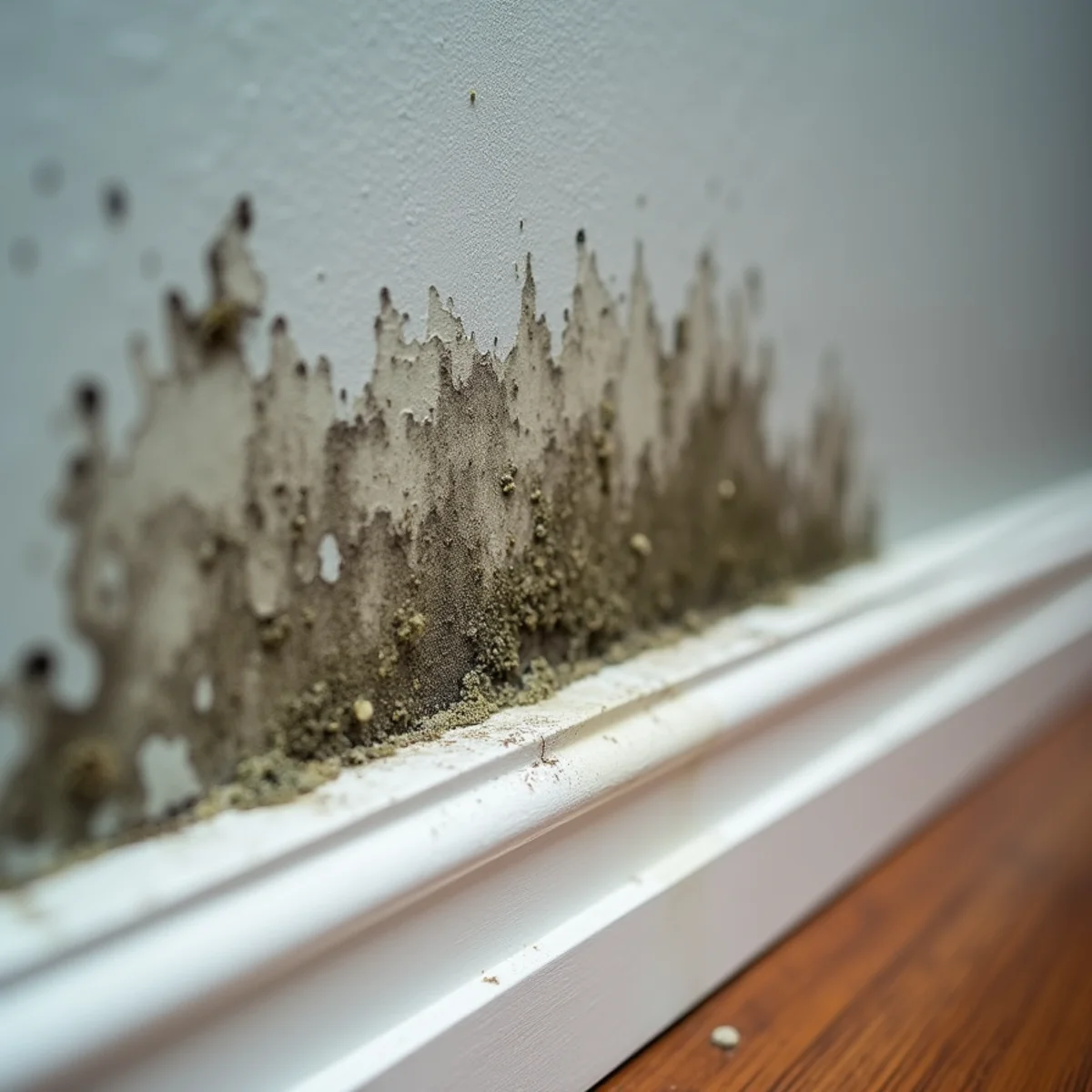
The 24 to 48 hour window is not a slogan. It is how fast mold can begin after a leak. Here is what happens hour by hour and why fast drying is the real prevention.
Mold Can Start Within 24 to 48 Hours
You have probably heard the 24 to 48 hour rule. It is not marketing. Both the EPA and the IICRC point to that window as when mold can begin to grow on damp material after water intrusion. That is one to two days from leak to the first colonies.
This is why speed matters more than almost anything else after a leak. The clock starts the moment materials get wet, and it does not care whether you have noticed the problem yet. A leak that runs overnight has already used up much of the window before you wake to it.
The takeaway is simple. Fast, thorough drying is the best mold prevention there is. Everything else is cleanup after the fact.
What Mold Needs to Grow
Mold is not exotic. Its spores are already in the air, in every home, all the time. They are harmless until they land somewhere they can grow. What turns dormant spores into active growth is a specific set of conditions, and one of them is the one you control.
Mold needs moisture, a food source, and a workable temperature. The food source is everywhere in a house, drywall paper, wood, dust, and cotton all qualify. Indoor temperatures are almost always in the comfortable range for mold.
That leaves moisture as the trigger you can actually remove. Take away the moisture and the spores stay dormant. Leave it, and within a day or two, growth begins. This is the entire logic behind drying fast. You cannot remove the spores from the air or take the food source out of your walls, so moisture is the one lever that decides whether mold grows at all.
A Timeline of the First Week
Mold growth after a leak follows a rough progression. The exact timing depends on temperature, humidity, and the material, but the sequence is consistent, and it moves in one direction.
Seeing it laid out makes clear why waiting even a couple of days changes the job from drying to remediation.
- Hours 0 to 24: materials absorb water and stay saturated; no visible mold yet
- Hours 24 to 48: spores activate on damp surfaces and colonization begins
- Days 3 to 5: visible spotting can appear and a musty smell develops
- Days 5 to 7: growth spreads across surfaces and into wall cavities
- Beyond a week: mold establishes in the structure and requires full remediation
Why Rocklin's Climate Plays a Role
Local conditions shape how the window plays out. Rocklin winters are wet, and that is when most indoor leaks and roof intrusions happen. A cool, damp home holds moisture longer, which keeps material in the danger zone.
Summer brings the opposite risk. Homes are closed up and air-conditioned, and a hidden leak in a warm wall cavity can grow mold fast because heat accelerates it. Either season, an unaddressed water loss trends toward mold. Warmth and moisture together are what mold likes most, so a summer leak inside an insulated wall can move through the 48 hour window even faster than a winter one. The season changes the details, but not the rule: wherever water sits unaddressed, mold follows.
We see this across Rocklin, including the older homes in East Rocklin where a slow leak behind a wall can sit undetected long enough to move well past the 48 hour window. The pattern is always the same: hidden moisture, then mold.
How to Beat the Window
Beating mold is about beating the clock. The moment you find a leak, stop the source and start removing water, then get the structure dried to standard, including the moisture you cannot see in walls and subfloor. That is what keeps you inside the 48 hour window instead of past it. Surface drying is not enough, because the water trapped in a wall cavity is exactly where mold starts and exactly where household fans cannot reach.
When a leak has already run too long, the answer shifts from prevention to proper mold remediation, which means containing the area so spores do not spread, removing affected material, filtering the air, and fixing the moisture source. Doing it in that order is what keeps it from coming back. Skip the moisture source and you are just resetting the same clock, because the conditions that grew the mold are still there.
Which Materials Give Mold the Fastest Start
Not everything in a room is equally at risk. Mold grows fastest on porous, cellulose-rich materials, because those double as its food source. Paper-faced drywall is the classic one, since the paper backing can host visible growth within a couple of days of staying damp. Carpet and its pad, ceiling tiles, the cardboard stored in a garage or closet, and unfinished wood framing all colonize quickly once they get wet.
Non-porous surfaces buy you more time. Tile, glass, sealed concrete, and metal do not feed mold, so growth on them is usually surface residue that wipes off once the area is dry. This is why a leak onto a tile bathroom floor runs a different clock than the same leak into a carpeted bedroom or a drywall closet. When we assess a loss, the porous materials are where we look first, because that is where the 48-hour window bites hardest.
Do Not Wait for the Spots to Appear
The mistake is treating a leak as handled once the floor looks dry, then waiting to see whether mold shows up. By the time you see it, the window has closed and the job is bigger.
If you have had a leak, act on the water, not on what you can see yet. Call (201) 277-9344 and we will dry it fast, or remediate it properly if the 48 hour window has already passed.
Need help right now in Rocklin? Our line is open 24/7.
(201) 277-9344Frequently asked
Mold can begin to grow within 24 to 48 hours of materials getting wet, according to the EPA and IICRC. Visible spotting and a musty smell often appear within three to five days. That is why fast, thorough drying after any leak is the most effective mold prevention.
You can help by stopping the source and removing surface water quickly, but household fans do not reach moisture trapped in walls and subfloor, which is where mold starts. Professional drying to standard within the 24 to 48 hour window is what reliably prevents it. Call (201) 277-9344.
Then the focus shifts from prevention to remediation. Mold may already be growing, possibly hidden in wall cavities. We inspect, contain the area, remove affected material, filter the air, and fix the moisture source so it does not return. The sooner we start, the less spreads.
Rooms with porous materials and poor airflow lead the list: carpeted bedrooms, closets, cabinets, and any wall cavity where insulation traps moisture. Bathrooms and laundry areas add humidity on top of that. Tile and hard-surface rooms are lower risk because those materials do not feed mold. We prioritize the porous, enclosed spaces first when we dry a home.
Yes, and it often does. Mold usually starts on the back of the drywall paper and on framing inside the wall cavity, where water wicks after a leak, long before anything shows on the painted surface. A musty smell is frequently the first sign. If you suspect hidden growth, call (201) 277-9344 and we will check with moisture meters and thermal imaging.
Related help from our team
Restoration Rocklin CA
IICRC-Certified Water Damage Restoration Team
We're a locally based, IICRC-certified water damage restoration team serving Rocklin and Placer County 24/7. Questions about your situation? Call (201) 277-9344.