
In a California condo, a single leak can cross the line between unit-owner and common-area responsibility. How the CC&Rs and Davis-Stirling Act divide who pays for water damage.
In a condo, a wall can be the border between two responsibilities
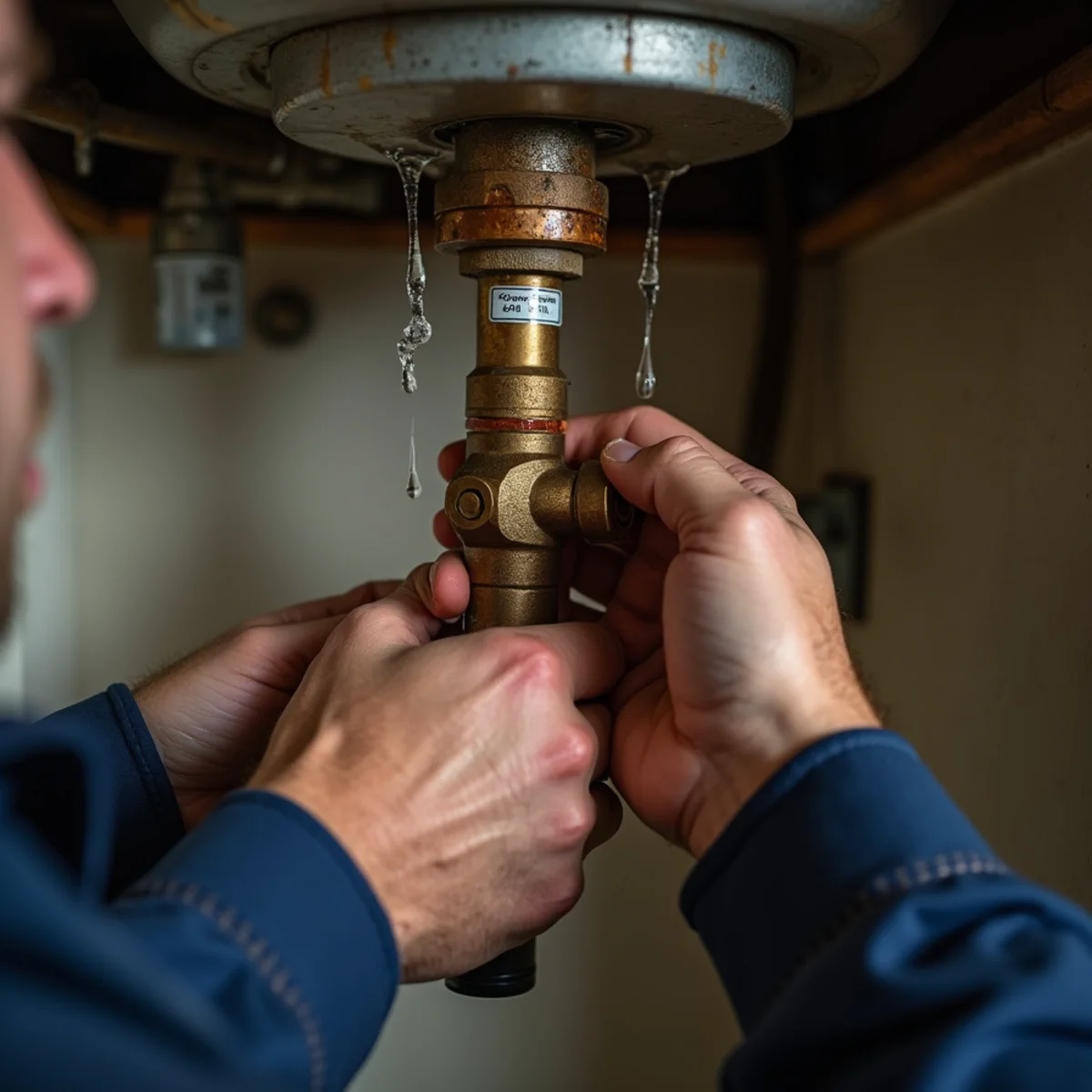
Water damage in a condo or HOA community is more complicated than in a single-family home, because a single leak can cross a boundary between what the owner is responsible for and what the association is. A pipe in a shared wall, a roof over multiple units, a leak that travels from an upstairs unit into the one below. Each raises the same question: whose responsibility is this? In master-planned Rocklin communities like Whitney Ranch, where attached homes and shared systems are common, boards and owners run into this regularly.
There is a general framework in California, but the details live in your association's governing documents. This is educational information, not legal advice. For any specific claim, read the CC&Rs and confirm with the association's carrier and your own.
Your CC&Rs are the rulebook — start there
The single most important document is your association's Covenants, Conditions, and Restrictions, or CC&Rs, along with its bylaws and insurance policy. These define where the common area ends and the individual unit begins, and who is responsible for maintaining and repairing each part. Two condos down the street can divide responsibility differently because their CC&Rs differ.
California's Davis-Stirling Act governs common interest developments and sets default rules, but the CC&Rs and the association's master insurance policy fill in the specifics, including how deductibles are handled and what counts as common area versus a separate interest. Read them before you have a claim, not during one.
The general split: common area versus the unit
As a rough guide, the association typically maintains and insures the common areas and the building's shared structure, while the individual owner is responsible for the interior of their separate unit and their personal belongings. But definitions of common area vary. Some CC&Rs draw the line at the interior wall surface, others at the studs.
That is why a printed copy of your own documents beats any general rule of thumb. The categories below are common, but your CC&Rs are what actually decide the question.
- Common area, association: roofs, exterior walls, and shared structure
- Common area, association: pipes and systems serving multiple units
- Unit owner: interior finishes, fixtures, and personal belongings
- Unit owner: often the plumbing that serves only their unit
- Owner's HO-6 policy: interior improvements and personal property
- Master policy: the building structure, per the CC&Rs and Davis-Stirling
When water travels: the upstairs-downstairs problem
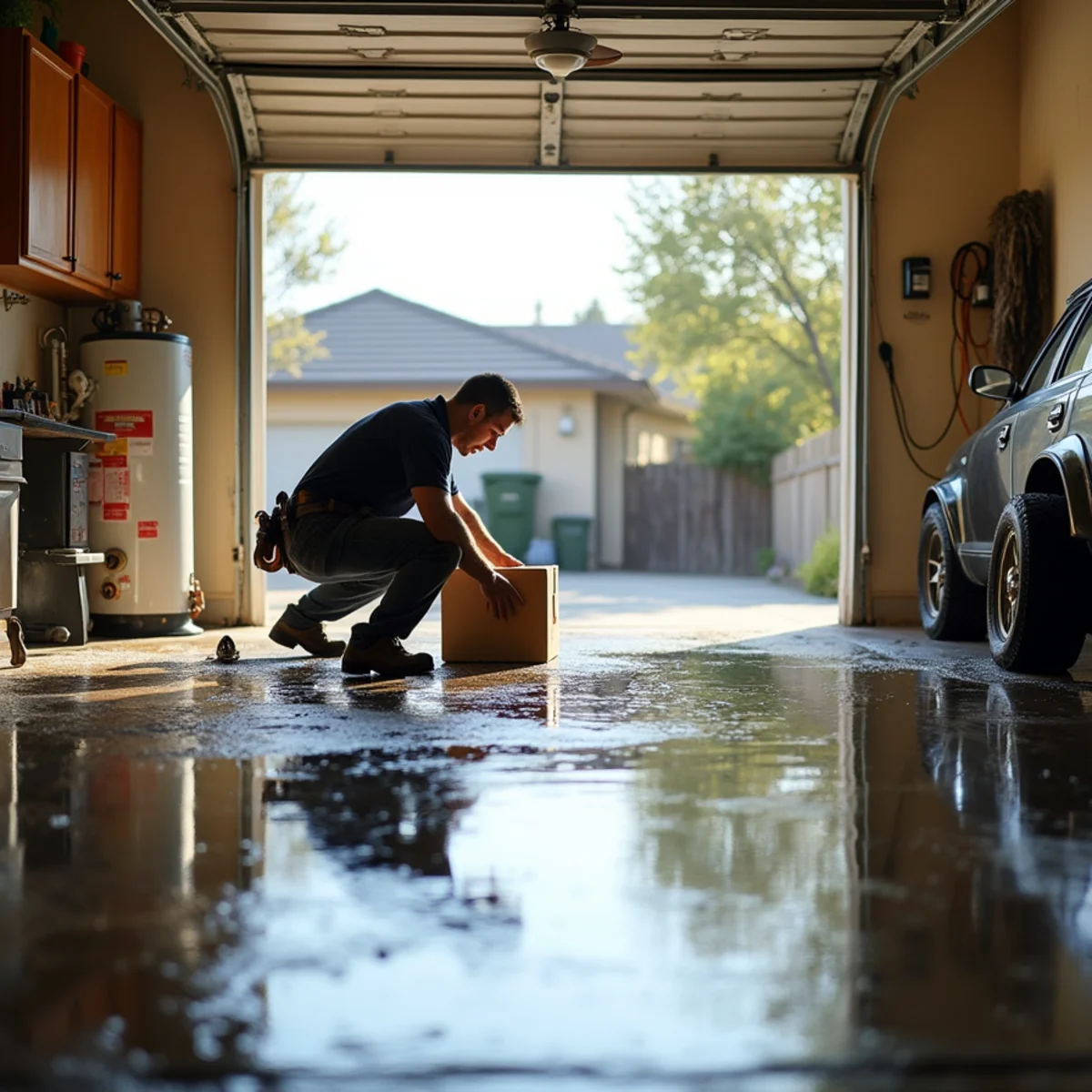
The hardest situation in any condo is the leak that starts in one unit and damages another. An upstairs owner's failed supply line floods the downstairs unit's ceiling. Who pays? It usually turns on where the leak originated, whether it came from a common-area pipe or an in-unit fixture, and whether anyone was negligent. The answer can involve the upstairs owner's policy, the downstairs owner's policy, and the master policy all at once.
This is exactly why documentation and prompt action matter. The source has to be identified, the damage recorded, and the drying started before mold sets in, regardless of who ultimately pays. Fighting over responsibility while the ceiling stays wet only grows the loss for everyone involved.
What owners and boards should do when water hits
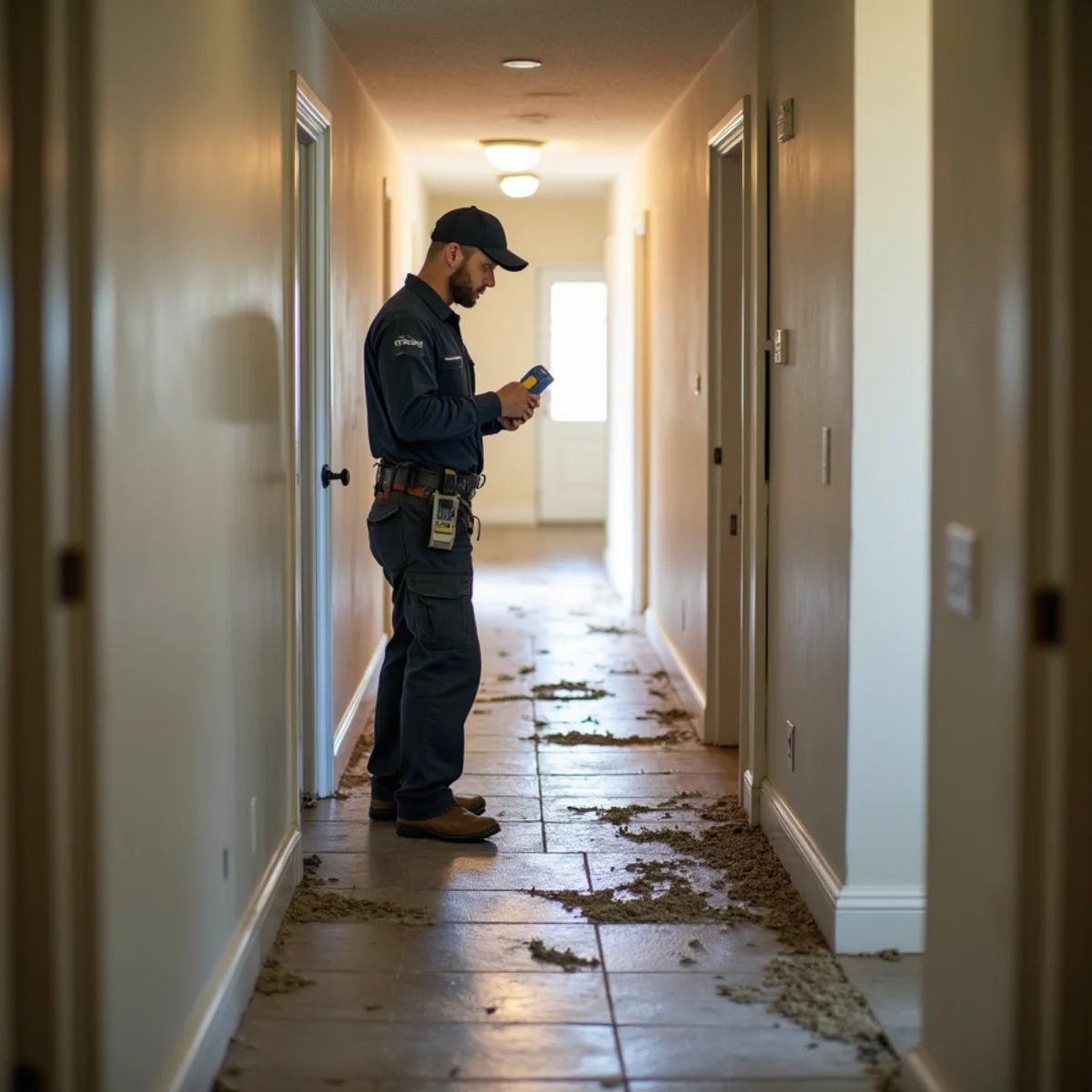
Whether you are a unit owner or a board member, the first steps do not change: stop the source, keep people safe, and get the water out and the structure dried quickly. Assigning responsibility is a paperwork exercise that follows containment, not one that should delay it.
Coordinate early with the property manager or board and both carriers, and keep everything in writing. We work with HOA boards, property managers, and unit owners across Rocklin and Whitney Ranch to respond fast, contain the damage, and document the loss so the claim between the policies can be sorted out cleanly.
- Stop the water source and make the area safe
- Notify the HOA or property manager immediately
- Photograph and document the damage and its origin
- Report to the relevant carriers, the owner's HO-6 and the master policy
- Bring in professional water damage restoration to dry it properly
- Confirm responsibility against the CC&Rs and Davis-Stirling, not assumptions
How boards can cut water losses across the community
A single condo claim is a headache. A pattern of them raises everyone's assessments and can push the master policy's premium and deductible higher. Boards that get ahead of water damage protect the whole community's budget, not just one unit. This is general guidance, not legal advice, so confirm any change against the CC&Rs and with counsel.
Most of it is unglamorous maintenance and a little planning. Shared systems age on the same clock across a building, so the leaks tend to arrive in clusters. A schedule and a plan turn those from emergencies into line items.
- Keep roofs, gutters, and shared drainage on a maintenance schedule
- Track the age of water heaters and shared supply lines across units
- Encourage or require owners to carry an adequate HO-6 policy
- Consider a leak-sensor program for upstairs units and shared walls
- Clarify the master policy deductible and who bears it before a claim
- Keep a preferred restoration vendor on file for fast, coordinated response
Condo or HOA leak? We coordinate the whole response
A condo water loss involves more parties than a house does, but the priority is the same: contain and dry it fast. The paperwork between the policies is easier to settle once the damage has stopped spreading.
Restoration Rocklin CA provides water damage restoration for condos, townhomes, and HOA communities across Rocklin and Placer County, including Whitney Ranch. We coordinate with owners, boards, and carriers, and we are IICRC-certified, licensed and insured. Call (201) 277-9344.
Need help right now in Rocklin? Our line is open 24/7.
(201) 277-9344Frequently asked
Generally, the HOA handles common areas and shared structure while the owner handles their unit interior and belongings, but the exact line is set by your CC&Rs and the Davis-Stirling Act. Read the governing documents and confirm with both carriers. This is general information, not legal advice.
An HO-6 is a condo owner's insurance policy. It typically covers the unit's interior improvements, fixtures, and personal property, the parts the association's master policy does not. Check your CC&Rs to see where the master policy stops and yours begins.
It depends on where the leak originated and whether anyone was negligent, and it may involve several policies at once. Document everything and get it dried immediately, then settle responsibility with the carriers and CC&Rs. Call (201) 277-9344.
It depends on the CC&Rs and the association's governing documents, which increasingly assign the master-policy deductible to the responsible owner rather than spreading it across the community. Read your documents to see how yours handles it, and confirm with the association's carrier. This is general information, not legal advice.
Yes, it saves critical time. When a leak crosses between units, a vendor who already knows the community and can coordinate with owners, the board, and multiple carriers gets the drying started faster and the claim documented cleanly. Call (201) 277-9344 to set up your Rocklin or Whitney Ranch community before you need us.
Related help from our team
Restoration Rocklin CA
IICRC-Certified Water Damage Restoration Team
We're a locally based, IICRC-certified water damage restoration team serving Rocklin and Placer County 24/7. Questions about your situation? Call (201) 277-9344.