
Homeowners insurance covers a burst pipe but usually not storm flooding. Here is the difference between the two, and why it surprises people every winter.
The Gap That Surprises People Every Winter
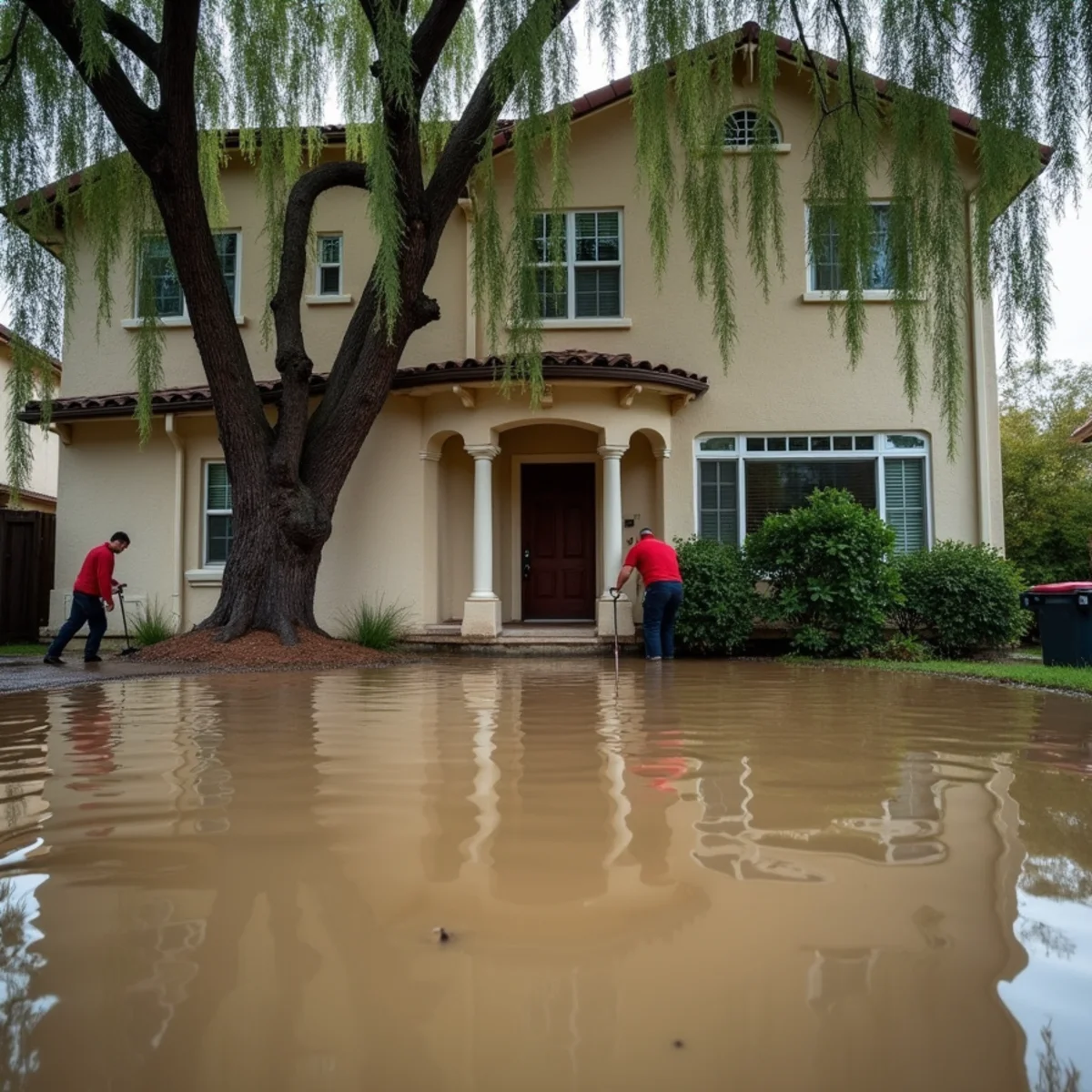
Every winter, homeowners who thought they were covered learn a hard lesson: standard homeowners insurance does not cover flooding from outside. When an atmospheric river drives water in under the door or up from a swollen creek, that damage falls into a gap most people did not know they had.
The distinction is not arbitrary. It comes down to where the water came from — inside your plumbing versus outside your walls. Understanding it now, before the storm season, is the whole point of this guide. It is one of the most common and most expensive misunderstandings in homeowning. People assume that because they pay premiums every month, any water in the house must be covered — and then learn, in the worst week of the winter, that storm flooding was never part of the deal. Knowing exactly where the line sits ahead of time is what lets you close the gap before it costs you, rather than discovering it in the middle of a claim.
Rocklin and the surrounding Placer County area average around 20 inches of rain a year, almost all of it between November and March, often in intense bursts. If you have already taken on water, call (201) 277-9344 for 24/7 flood cleanup while you sort out coverage.
What Homeowners Insurance Actually Covers
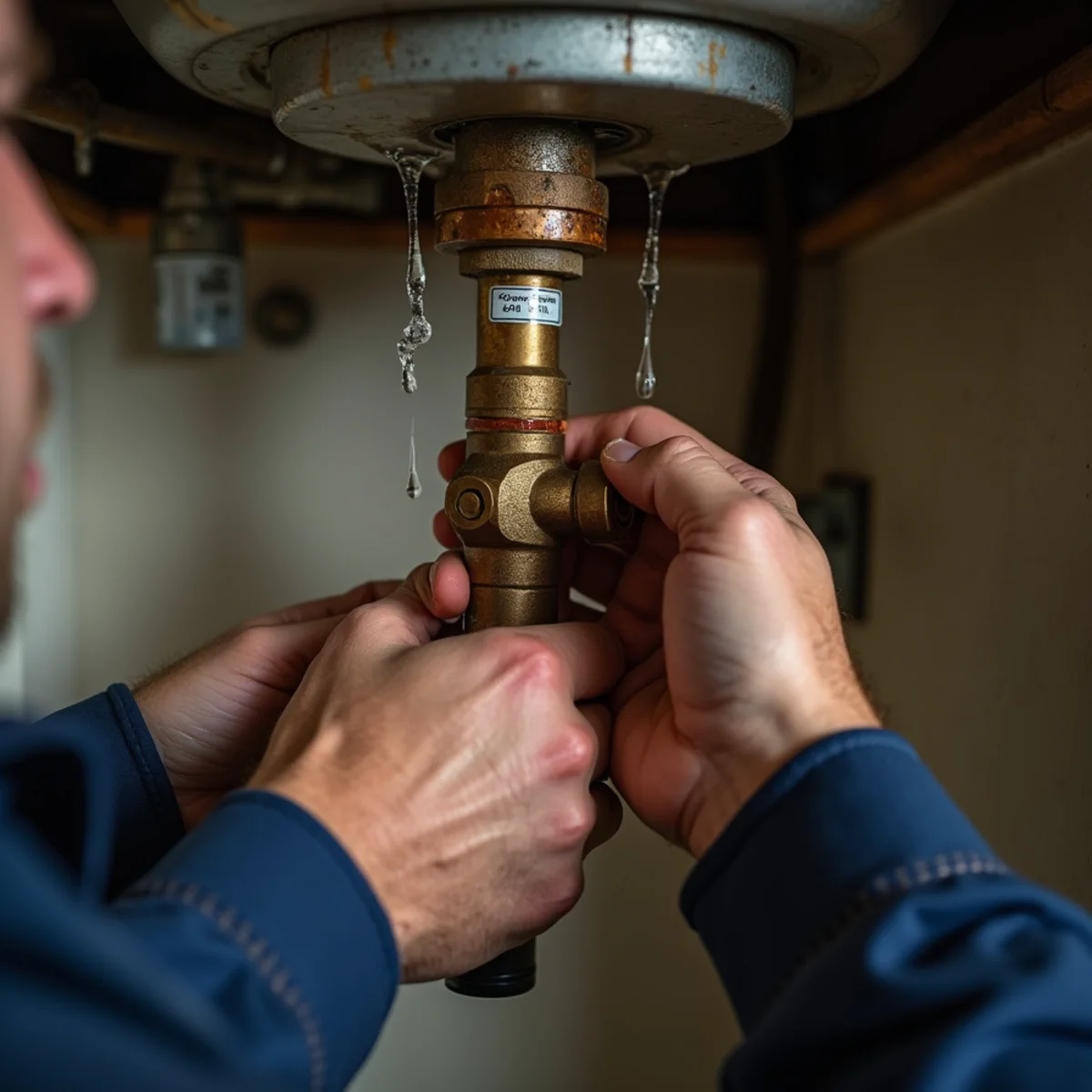
Standard homeowners policies cover sudden, accidental water damage that originates inside the home — a burst pipe, a failed water heater, an overflowing appliance. If the water came from your own plumbing and the failure was sudden, you are generally covered.
It also covers some weather-driven water that enters through sudden damage, such as rain coming through a roof a storm just tore open. The key is that the water entered because of sudden accidental damage, not because ground water rose and flowed in.
So the line is not simply indoor versus outdoor. It is sudden internal failure and sudden storm damage to the structure — covered — versus rising surface water from outside — not covered.
Why Outside Flooding Is Excluded
Flooding is defined, in insurance terms, as rising or overflowing surface water that inundates normally dry land. That includes storm runoff, overflowing creeks and rivers, and flash floods. Standard homeowners policies exclude it explicitly, which is why a separate flood insurance policy exists at all.
The reason is risk pooling. Flood losses are geographically concentrated and can be catastrophic for whole neighborhoods at once, so that risk is handled through dedicated flood insurance rather than folded into every homeowners policy. It is a structural feature of how the coverage works, not a loophole your carrier invented.
The practical result is the gap: the same storm that would be covered if it tore your roll and let rain in is not covered if the water simply rose from the ground and flowed inside.
- Covered: burst pipes and sudden internal failures
- Covered: rain entering through sudden storm damage to the structure
- Not covered: rising surface water and runoff from outside
- Not covered: overflowing creeks, rivers, and flash floods
Do You Need Flood Insurance in Placer County?
Not every home needs a flood policy, but more do than realize it. Flood risk is not limited to mapped high-risk zones — a large share of flood claims come from areas considered moderate or low risk, where owners assumed they were safe and carried no coverage.
In Placer County, homes near Secret Ravine, Antelope Creek, Dry Creek, and other tributaries, plus low-lying and hillside properties, can see water during a strong atmospheric river. If any of that describes your home, a flood policy is worth pricing before the season, not after.
Flood insurance also typically carries a waiting period before it takes effect, so you cannot buy it as the storm rolls in. That is another reason to sort it out ahead of the rain.
What Flood Insurance Covers That Homeowners Does Not
A separate flood policy fills the exact gap a homeowners policy leaves. It covers damage from rising surface water, storm runoff, and overflowing creeks — the water that gets in from outside. That includes structural damage to the building and, depending on the policy, your contents inside it.
There are limits worth knowing. Flood policies commonly cap coverage and treat basements and below-grade areas differently, often covering the structure and mechanicals there but not finished contents. Reading those terms before a storm tells you what you are actually protected against.
The practical takeaway for Placer County: if your home is near a creek, in a low spot, or on a slope where runoff collects, price a flood policy now. The cost of the premium is small next to a flooded first floor you have to pay for entirely yourself.
How to Prepare Your Home Before an Atmospheric River
Because homeowners insurance will not cover outside flooding, the water you keep out of the house is the water you never have to pay to remove. Rocklin gets most of its roughly 20 inches of rain between November and March, often in intense atmospheric-river bursts, so the work to prepare is seasonal and worth doing before the first big system arrives.
Most of it is straightforward. Clear gutters and downspouts and extend the downspouts so water drains away from the foundation. Check that the ground slopes away from the house rather than toward it. Keep the curb and any yard drains clear of leaves. If your home sits near Secret Ravine, Antelope Creek, or a low spot where runoff collects, keep sandbags on hand and know where water has entered before. These steps will not stop a true flood, but they turn many near-misses into non-events.
- Clear gutters and extend downspouts away from the foundation
- Make sure the ground slopes away from the house
- Keep curb and yard drains clear of leaves and debris
- Keep sandbags ready if you are near a creek or low spot
If the Water Is Already In — Call Us
Coverage questions can wait until the water is out. Storm flooding brings contaminated water into the home, and every hour it sits raises the damage and the mold risk. The first priority is safe extraction, sanitizing, and drying.
We provide 24/7 flood cleanup across Rocklin and Placer County, treat floodwater as contaminated until proven otherwise, and document the loss so you can pursue whatever coverage applies. Call (201) 277-9344 and we will handle the cleanup while you and your carrier sort out the policy side.
Need help right now in Rocklin? Our line is open 24/7.
(201) 277-9344Frequently asked
Generally no, for flooding from outside — rising surface water, runoff, and overflowing creeks are excluded and require separate flood insurance. Homeowners policies cover sudden internal failures like burst pipes and rain entering through sudden storm damage to the structure.
A burst pipe is a sudden internal failure your policy covers. Rising surface water from outside is defined as flooding, which standard policies exclude because flood losses are concentrated and catastrophic. That risk is handled through dedicated flood insurance instead.
Possibly. A large share of flood claims come from moderate and low-risk areas. Homes near Placer County creeks and low-lying or hillside properties can flood in a strong storm. Flood policies also have a waiting period, so buy before the season, not during it.
Premiums vary widely with your flood zone, elevation, and coverage amount, so the only real number comes from a quote for your specific address. Flood policies also typically carry about a 30-day waiting period before they take effect, so buy before the storm season, not as the rain arrives. If storm water is already inside, call (201) 277-9344 for cleanup.
FEMA publishes flood maps you can check by address, and your insurance agent can look up your zone. Keep in mind that a large share of flood claims come from moderate and low-risk zones, so being outside a mapped high-risk area does not mean you are safe near a creek or in a low spot.
Related help from our team
Restoration Rocklin CA
IICRC-Certified Water Damage Restoration Team
We're a locally based, IICRC-certified water damage restoration team serving Rocklin and Placer County 24/7. Questions about your situation? Call (201) 277-9344.