

California homeowners insurance covers some water damage and flatly excludes other kinds. Here is what is in, what is out, and how to protect your claim.
The Rule That Decides Most Claims
One principle explains most water damage coverage decisions in California: was the damage sudden and accidental, or gradual and preventable? Insurers cover the first and deny the second. A pipe that bursts without warning is covered. A pipe that dripped for months while you ignored the stain usually is not.
That single distinction settles more claims than any other clause. Once you understand it, most of what is in and what is out makes sense. It is not about how much water there was or how expensive the repair is. A modest sudden leak is covered; a slow, costly one that built up over months usually is not. When you read the rest of your policy, keep that sudden-versus-gradual lens in mind and most of the language stops being mysterious.
This guide walks through both sides so you know where you stand before you file. If you are dealing with a loss right now in Granite Bay or anywhere in the area, call (201) 277-9344 — we document claims for a living.
What's Typically Covered
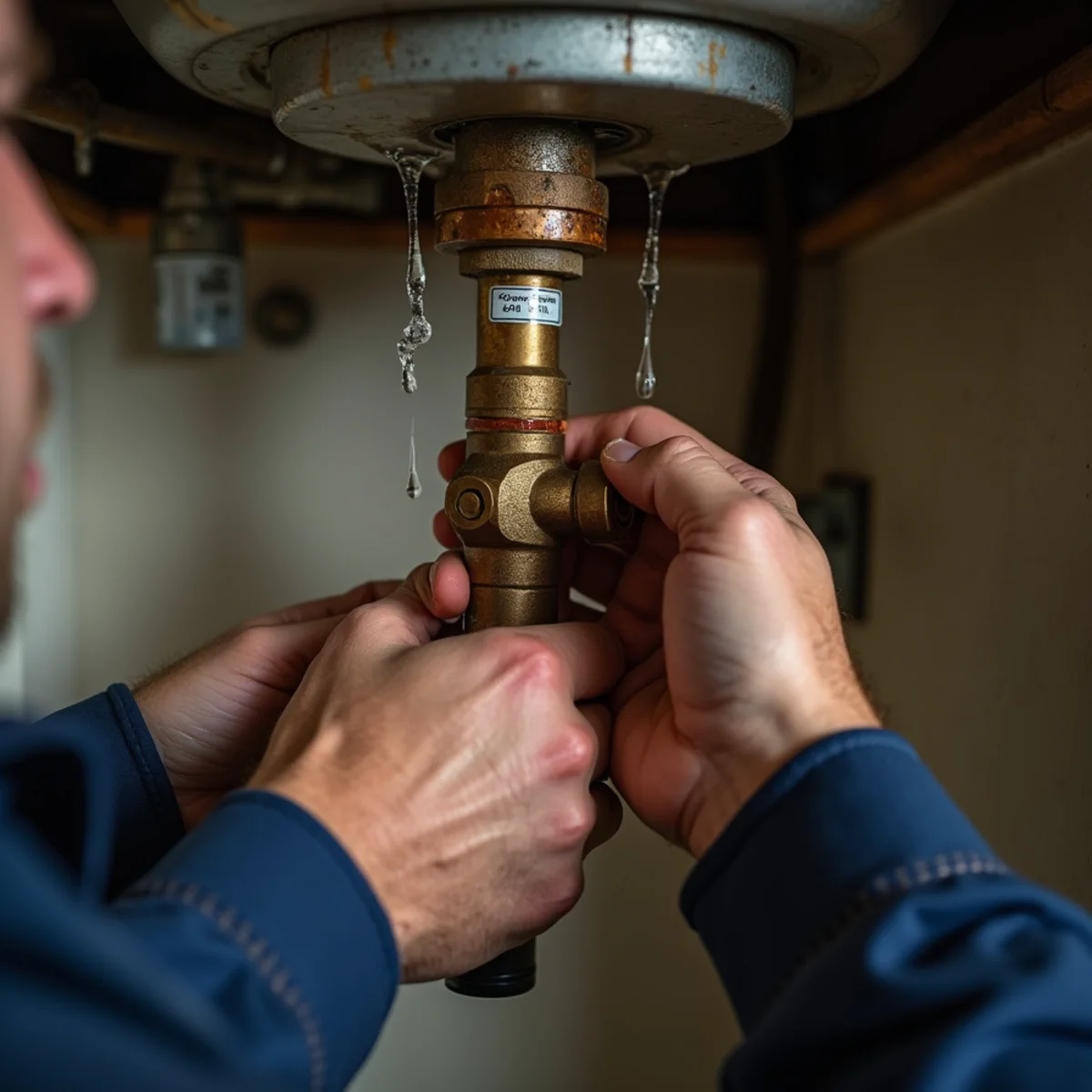
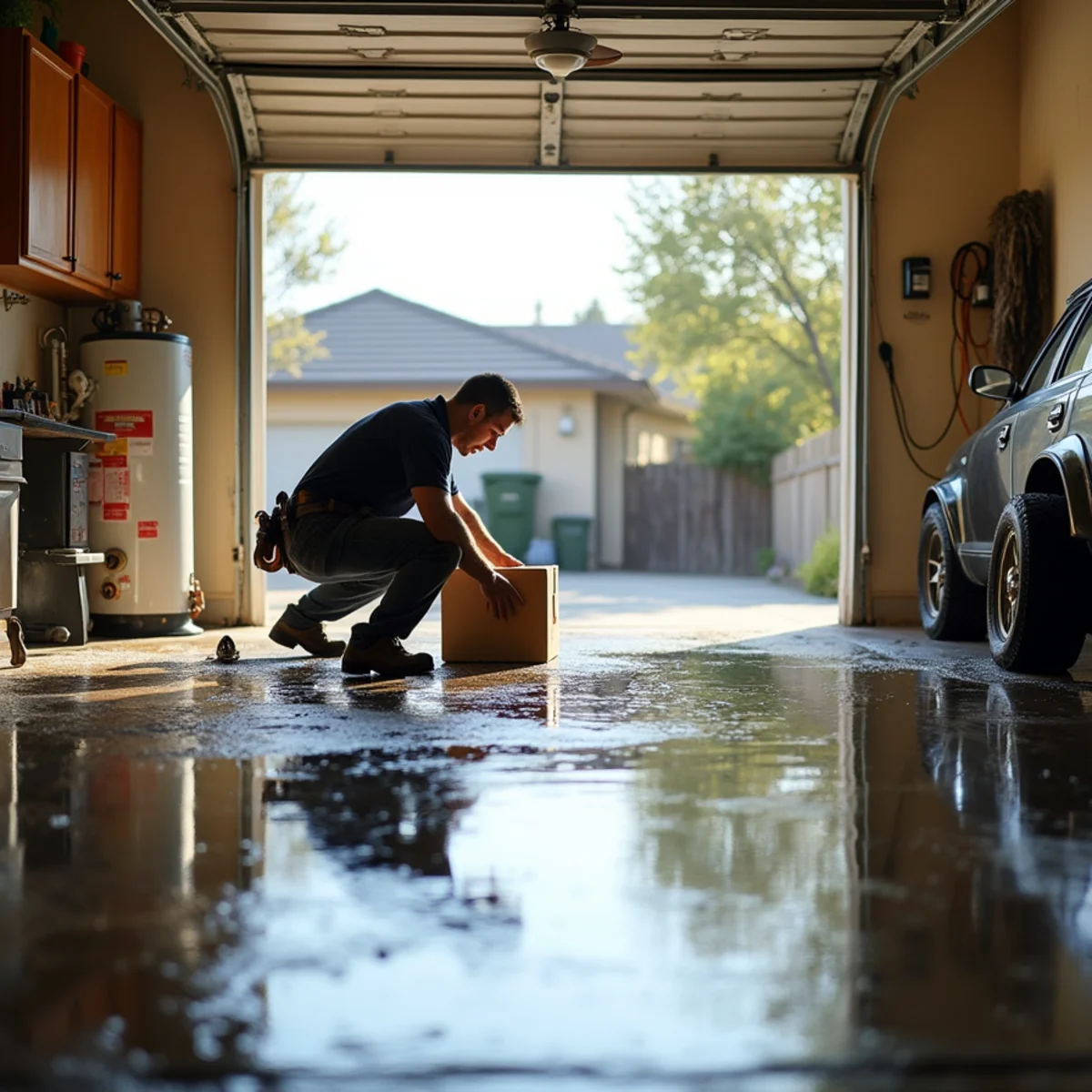
Standard California homeowners policies generally cover sudden, accidental internal water damage. That includes a burst pipe, a failed water heater, an overflowing washing machine or dishwasher, and a supply line that lets go without warning. It also usually includes water damage from putting out a fire.
Storm-driven water that enters through sudden damage — a tree that punches a hole in the roof and lets the rain in — is often covered too, because the entry was sudden. The key word throughout is sudden: the failure happened quickly and you could not reasonably have prevented it.
Water damage is common enough that roughly 1 in 60 insured homes files a water or freezing claim each year, with an average payout around $13,954. It is one of the most frequent claims homeowners make.
- Burst or sudden failed pipes and supply lines
- Failed water heaters and overflowing appliances
- Sudden storm damage that lets water into the home
- Water damage from extinguishing a fire
What's Usually Excluded
The exclusions are just as important to know. Gradual leaks and long-term seepage are the biggest one — if damage built up slowly over weeks or months, insurers view it as a maintenance issue and deny it. Neglect and failure to maintain the home fall in the same bucket.
Flooding from outside — rising water, storm surge, overflowing creeks — is excluded from standard homeowners policies entirely. That requires separate flood insurance, which is a common surprise after a winter storm. Sewer and drain backups are also excluded unless you carry a specific endorsement for them.
Some policies also exclude or limit slab leaks, mold that resulted from an unaddressed leak, and damage to the source itself, such as the worn-out pipe or the failed appliance.
- Gradual leaks, seepage, and long-term damage
- Neglect and deferred maintenance
- Outside flooding (needs separate flood insurance)
- Sewer and drain backups without an endorsement
Why the Gray Areas Get Denied
The trickiest claims sit in the middle: a leak that was sudden but had been quietly getting worse, or damage where the cause is unclear. Adjusters look for evidence of how long the water was present. Rusty pipes, spreading stains, and established mold all suggest a gradual problem — and can sink an otherwise valid claim.
This is exactly why documentation and timing matter. A loss that is reported promptly and documented clearly as sudden stands a far better chance than one discovered late with signs of long-term moisture. How you handle the first day influences the outcome.
It also helps to know your specific policy. Endorsements for sewer backup, slab leaks, and higher water limits are worth adding before you need them, especially for older Granite Bay and Placer County homes.
Coverage Add-Ons Worth Considering
The gaps in a standard policy can often be closed cheaply if you address them before a loss. A sewer and drain backup endorsement covers the backups a base policy excludes. A slab leak or hidden water endorsement can help with the tear-out and damage a base policy limits. Higher water-damage limits raise the ceiling on what a serious loss pays out.
If your home sits where outside water is a real risk, a separate flood insurance policy is the only thing that covers rising water — homeowners insurance never will. Flood policies also carry a waiting period, so they have to be in place before the storm, not bought as it arrives.
Review your declarations page once a year, and ask your agent specifically what is excluded rather than what is covered. The exclusions are where the surprises live, and closing them ahead of time costs far less than discovering them in the middle of a claim.
What to Do If Your Claim Is Denied or Underpaid
A denial is not always the end of the road. Start by getting the reason in writing and reading it against your policy — many denials rest on the insurer's view that the damage was gradual rather than sudden. If you can show the loss was sudden with dated photos, the failed part, and a professional assessment, you can ask the carrier to reopen and reconsider.
Underpayment is more common than a flat denial. An adjuster working quickly can miss the wet drywall inside a wall or the soaked subfloor under the tile, and the estimate comes in low as a result. An independent, itemized restoration scope with moisture readings gives you the documentation to request a supplement for what was missed. For a complex or high-value dispute, a licensed public adjuster works on your behalf, though they take a percentage of the recovery.
- Get the denial reason in writing and check it against your policy
- Counter a gradual-damage finding with sudden-loss evidence
- Use an itemized scope with moisture readings to request a supplement
- Consider a public adjuster for a large or complex dispute
How We Help Your Claim — Call Us
We are not your insurance company, but we work with adjusters every day and know what a strong claim looks like. We document the loss with photos, moisture readings, and itemized lists of damaged materials — the evidence that supports a sudden, covered loss.
We can bill your carrier directly for covered water damage restoration, meet the adjuster on site, and advocate for a scope that covers the full, correct repair. If you are unsure whether your loss is covered, call (201) 277-9344 and we will help you understand your coverage before any work begins.
Need help right now in Rocklin? Our line is open 24/7.
(201) 277-9344Frequently asked
It covers sudden, accidental internal water damage — burst pipes, failed water heaters, overflowing appliances. It excludes gradual leaks, neglect, outside flooding, and sewer backups without a specific endorsement. The sudden-versus-gradual distinction decides most claims.
Most denials come from evidence the damage was gradual rather than sudden — rusty pipes, spreading stains, established mold. Outside flooding and unendorsed sewer backups are also excluded. Prompt reporting and clear documentation give a valid claim its best chance.
Yes. Standard policies exclude outside flooding, which requires separate flood insurance, and exclude sewer or drain backups unless you add a specific endorsement. Both are worth considering for older Placer County homes. Call (201) 277-9344 with questions about a loss.
Ask for the denial reason in writing and compare it to your policy. Most denials cite gradual damage, so counter with dated photos, the failed component, and a professional assessment showing the loss was sudden, then ask the carrier to reopen it. Call (201) 277-9344 and we will provide the documentation to support the appeal.
It can, and multiple claims in a few years raise it more, since insurers weigh claim frequency. That is one reason a very small loss below your deductible may not be worth filing. For a significant sudden loss, though, the coverage is exactly what you pay premiums for, and the protection usually outweighs the increase.
Related help from our team
Restoration Rocklin CA
IICRC-Certified Water Damage Restoration Team
We're a locally based, IICRC-certified water damage restoration team serving Rocklin and Placer County 24/7. Questions about your situation? Call (201) 277-9344.