
Rocklin's record lows reach the mid-20s, and East Rocklin and Clover Valley Woods run colder still. Yes, pipes freeze here — and a burst line floods on the thaw.
Yes — Rocklin Gets Cold Enough to Freeze a Pipe
Rocklin is known for hot summers, not hard winters, so a lot of homeowners assume frozen pipes are a problem for other places. They are not. Rocklin's record low temperatures sit in the mid-20s, cold enough to freeze water in an exposed pipe, and the foothill neighborhoods on the east side of town run colder than the flats.
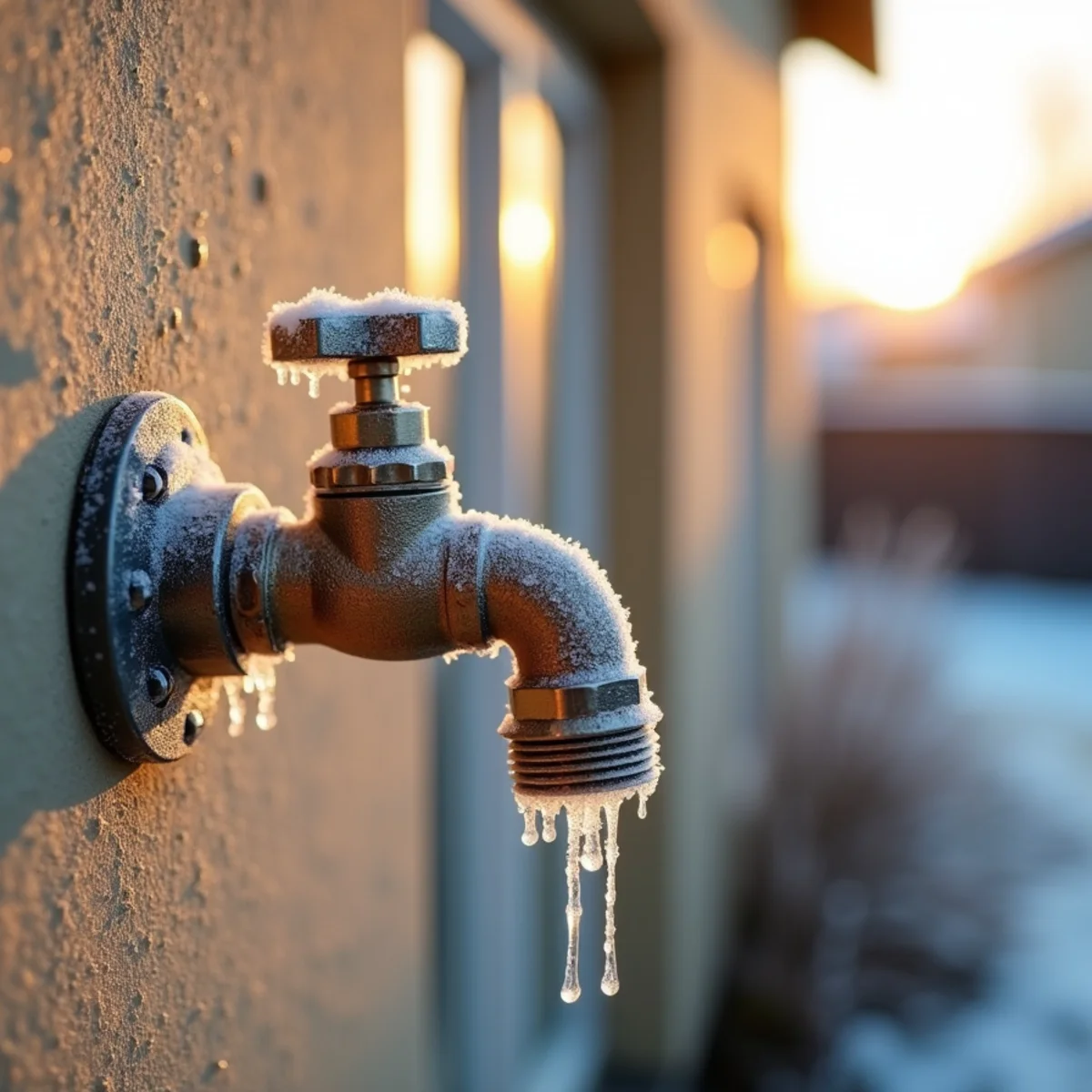
Freezing pipes are less common here than in Truckee or Tahoe, but that is exactly the problem: because it is infrequent, most Rocklin homes are not built or maintained with hard freezes in mind. Exposed pipes in garages, exterior walls, and attics, and hose bibs left connected, are the vulnerable points. When a cold snap arrives, they are the first to go.
Knowing when the risk is real, and where, lets you take the simple steps that prevent a burst.
How Cold Does Rocklin Actually Get?
Rocklin's climate is Mediterranean — hot, dry summers over 100 degrees and cool, wet winters. Winter nights commonly dip into the 30s and 40s. The record lows, though, reach down into the mid-20s, roughly 24 to 26 degrees. That is well below the 32-degree freezing point of water and cold enough to freeze an unprotected pipe if it holds long enough.
The danger is not an average cold night. It is the occasional clear, calm night after a storm passes, when temperatures drop sharply in the early morning hours. A pipe in an unheated space can reach freezing on those nights even when the daytime was mild.
These events are irregular but not rare. Every few winters, a cold snap tests the region's plumbing, and the homes that were not prepared pay for it.
Why East Rocklin and Clover Valley Woods Are Colder
Cold air behaves like water — it sinks and pools in low areas, and it lingers where the terrain and vegetation hold it. The foothill neighborhoods on Rocklin's east side, including Clover Valley Woods, sit at slightly higher elevation and in more sheltered, wooded, and low-lying pockets than the open western flats. Those conditions favor colder overnight lows.
Clover Valley Woods, with its tree cover and creek-influenced terrain, is exactly the kind of place where cold air settles on a clear winter night. East Rocklin generally trends a few degrees cooler than the rest of the city in these events. A cold snap that leaves the west side untouched can push these neighborhoods below freezing.
If you live in East Rocklin or Clover Valley Woods, treat the freeze risk as real. Your home is on the cold end of Rocklin's range.
How a Frozen Pipe Bursts and Floods
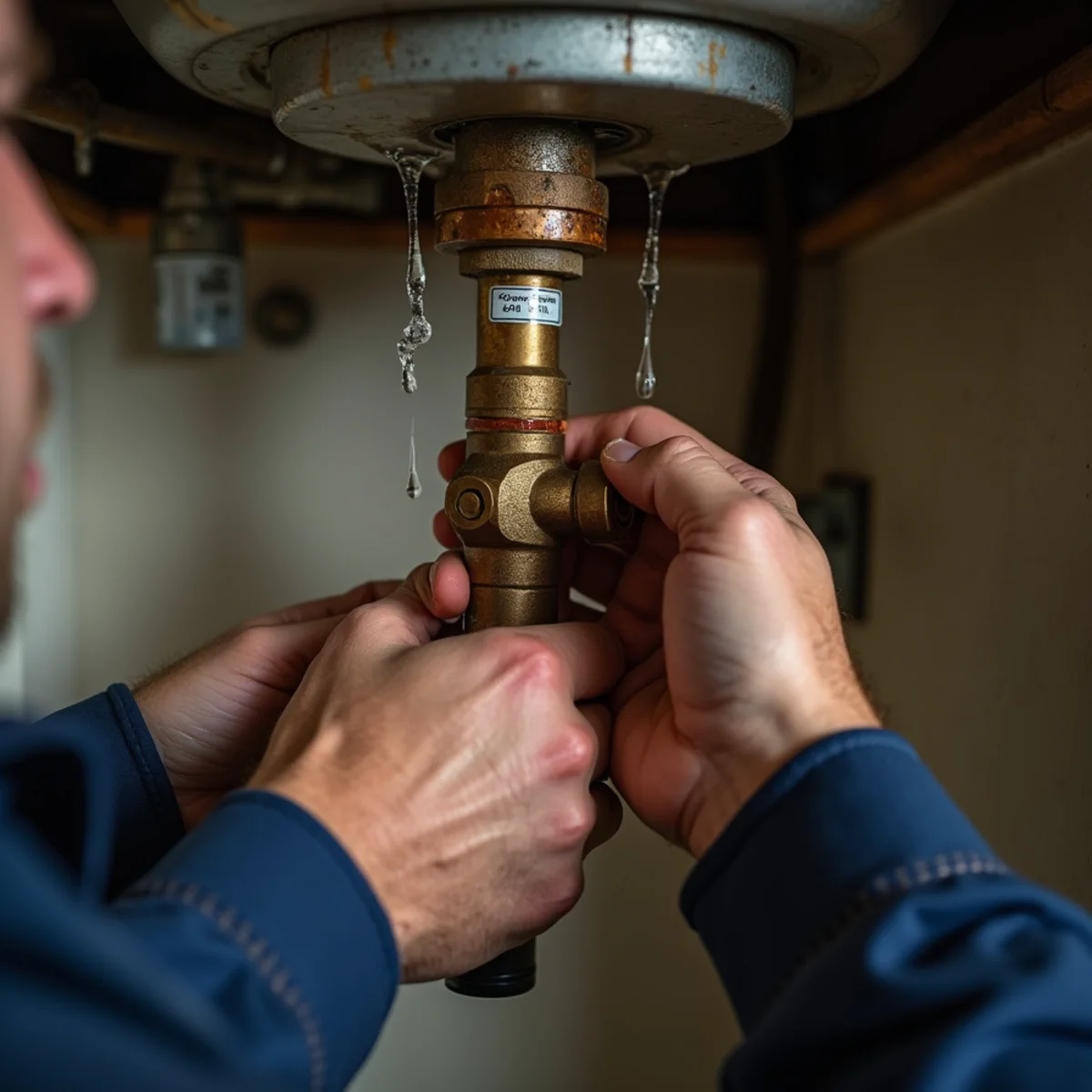
The damage from a frozen pipe is counterintuitive. The pipe does not usually split at the ice itself. As water freezes and expands, it builds enormous pressure in the line between the ice blockage and a closed faucet. That trapped pressure ruptures the pipe, often at a weak point away from the actual ice.
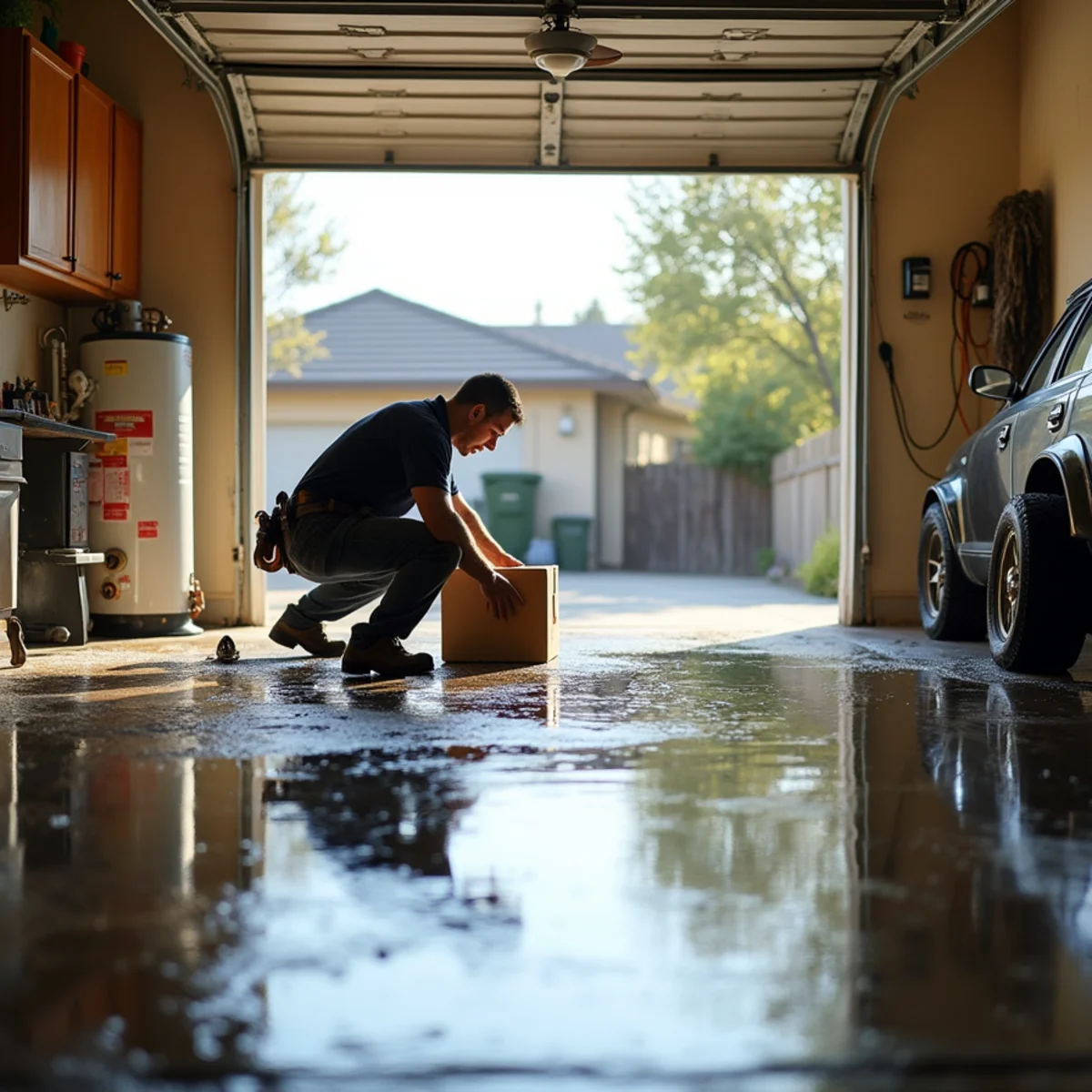
The rupture may not flood anything while the pipe is still frozen. The disaster comes on the thaw. When the ice melts and full pressure returns, water pours out of the break — and if it happened in a wall, attic, or unoccupied part of the house, it can run unnoticed. A single burst supply line can release hundreds of gallons.
This is why a burst from a freeze often becomes a major water loss. The break is hidden, the release is delayed, and by the time anyone notices, the water has been flowing for a while.
Preventing a Freeze — and What to Do If a Pipe Bursts
The reason freeze damage catches Rocklin homeowners off guard is that the defenses are seasonal and the events are rare. A pipe that has survived twenty mild winters is no safer on the one hard night that finally reaches it. Fortunately the preparation is quick and cheap, and it only needs to happen on the handful of nights each winter when the forecast dips toward freezing. A little attention on those specific evenings prevents the vast majority of frozen-pipe losses:
Preventing a freeze is mostly about a few habits when a cold snap is forecast:
- Disconnect and drain garden hoses, and cover exterior hose bibs
- Insulate exposed pipes in the garage, attic, crawl space, and exterior walls
- On the coldest nights, let a faucet drip to relieve pressure and keep water moving
- Open cabinet doors under sinks on exterior walls to let warm air reach the pipes
- Know where your main shutoff is, so you can stop the flow fast if a pipe bursts
The Riskiest Freeze: An Empty House Over the Holidays
The worst frozen-pipe losses share a detail: nobody was home. Rocklin's hard freezes cluster in December and January, the same weeks families travel for the holidays. A house left with the heat turned down or off, over a clear, calm foothill night in East Rocklin or Clover Valley Woods, is the perfect setup for a freeze. The pipe ruptures while the house sits empty, and the flood on the thaw runs for days across floors and behind walls before anyone walks back in the door.
The fix is simple and cheap. If you leave during freeze season, do not shut the heat off, set the thermostat no lower than about 55 degrees so interior pipes stay above freezing. Shut off the water main and drain the lines if you will be gone a while, or ask a neighbor to check the house on the coldest mornings. An empty home during a cold snap is the one scenario where a small precaution prevents the largest kind of loss.
Burst Pipe in East Rocklin? We Respond Fast
If a pipe does burst, shut off the water main immediately and call for help. A burst pipe releases water fast, and every minute counts. East Rocklin and Clover Valley Woods sit on the cold end of the city, and the rare hard freeze finds the unprotected pipes first — often flooding a home before anyone is even awake.
What makes a freeze burst so costly is the delay built into it. The pipe fails silently while it is still frozen, and the flood only arrives hours later when the ice thaws and pressure returns — often in the morning, sometimes while the house is empty. By then the water may have been running behind a wall or across a garage for a long time. That lag is exactly why knowing where your main shutoff is, before you need it, is one of the most valuable things a homeowner can carry into winter.
Take the simple steps before a cold snap, and know who to call if a pipe lets go. Our crews handle burst pipe cleanup across East Rocklin and all of Rocklin — fast extraction, thorough drying, and full restoration. Call (201) 277-9344 any hour.
Need help right now in Rocklin? Our line is open 24/7.
(201) 277-9344Frequently asked
They can. Rocklin's record lows reach the mid-20s, below freezing, and foothill areas like East Rocklin and Clover Valley Woods run colder. Exposed pipes are at risk during the occasional hard cold snap.
Cold air sinks and pools in the higher, more sheltered, wooded foothill terrain on the east side. Clover Valley Woods and East Rocklin regularly run a few degrees cooler on clear winter nights.
Usually on the thaw. Freezing bursts the pipe, but the water pours out when the ice melts and pressure returns. Shut off your main and call (201) 277-9344 for burst pipe cleanup right away.
Yes. If you leave during Rocklin's freeze season, keep the thermostat set no lower than about 55 degrees so interior pipes stay above freezing. For longer trips, shut off the water main and drain the lines. An empty, unheated house on a cold night is when freeze bursts do the most damage.
Let vulnerable faucets drip through the whole cold snap, overnight and until temperatures rise well above freezing the next day. The moving water relieves the pressure that actually bursts pipes. The small water cost is far cheaper than a burst line. Call (201) 277-9344 if one lets go.
Related help from our team
Restoration Rocklin CA
IICRC-Certified Water Damage Restoration Team
We're a locally based, IICRC-certified water damage restoration team serving Rocklin and Placer County 24/7. Questions about your situation? Call (201) 277-9344.