
The IICRC sorts water losses into three categories, and the category drives everything: what gets saved, what gets removed, and how the cleanup is done. Here is what each one means.
The Water Category Drives the Whole Job
Not all water is the same. A broken supply line and a sewage backup both leave your floor wet, but they are not the same cleanup and they are not the same risk. The IICRC classifies water losses into three categories, and that classification is the first thing a good crew determines on site.
The category is not a formality. It decides what can be saved and what must be removed, how much containment and protective equipment is needed, and how the affected area is sanitized. Get it wrong and you either overspend or leave a health hazard behind.
Understanding the three categories helps you understand why the recommendations you get are what they are. It also helps you see why a crew asks so many questions about the source before they touch anything.
Category 1: Clean Water
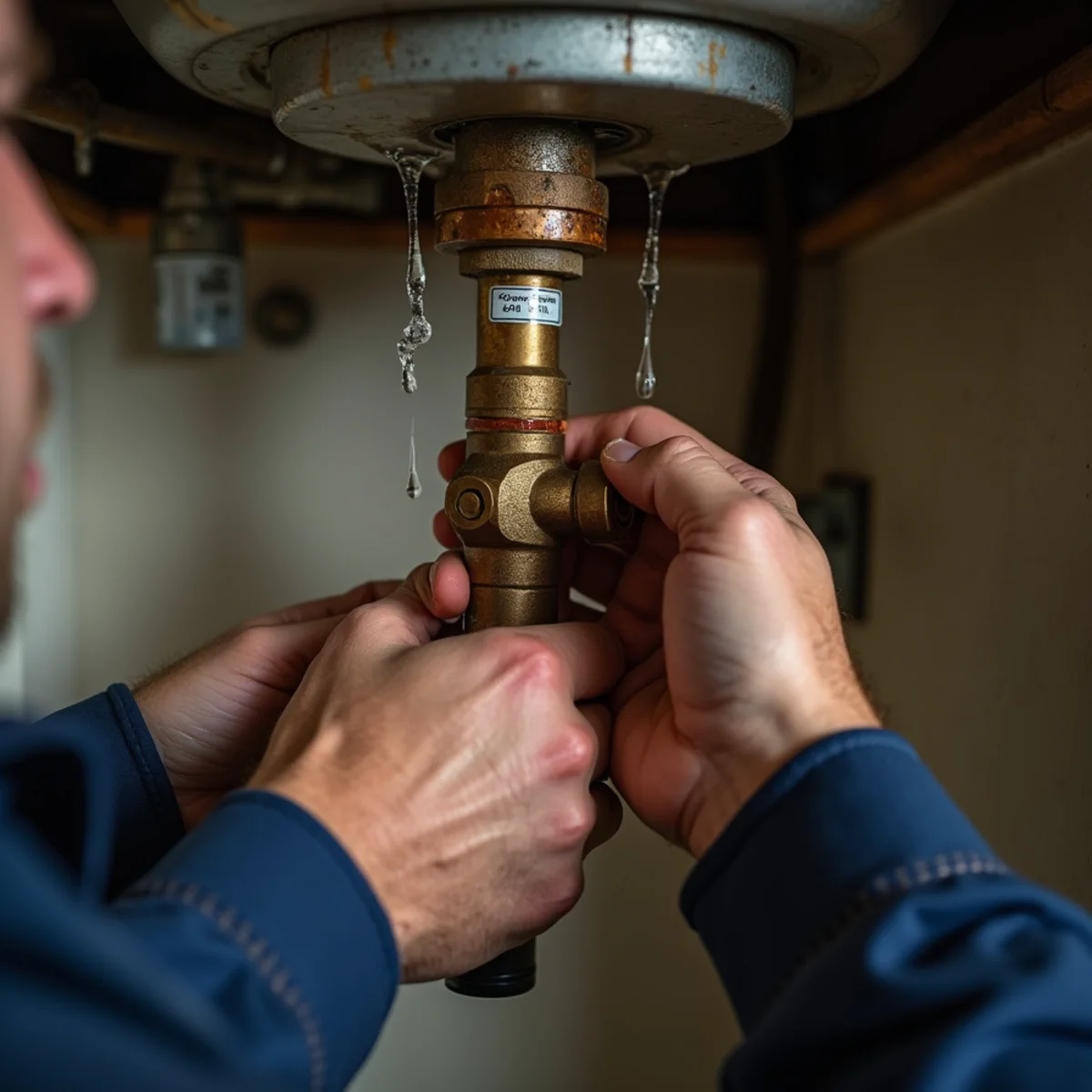
Category 1 is clean water from a sanitary source. Think a broken supply line, an overflowing bathtub with the tap running, or a failed water heater connection. When it first escapes, it poses little immediate health risk.
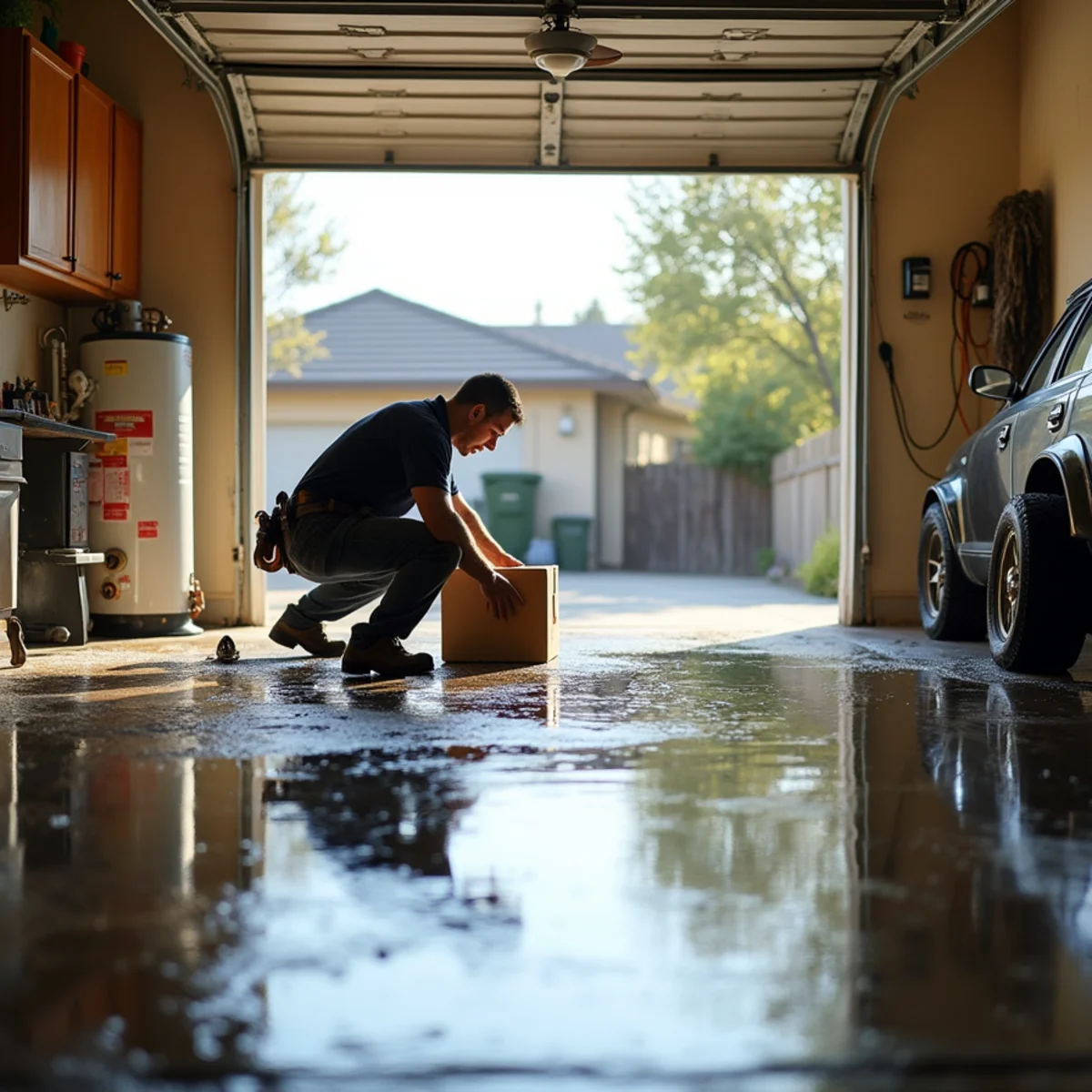
With Category 1, the priority is speed. If it is extracted and dried within 24 to 48 hours, most materials can be saved, including drywall and often carpet. The work is about drying, not disposal.
The catch is that clean water does not stay clean. Left sitting, it degrades. That is why even a clean-water loss is an urgent call, not a wait-and-see. Bacteria multiply, the water picks up contaminants from the materials it touches, and a Category 1 loss you could have simply dried becomes a Category 2 job that requires removing material. Time works against you the whole way.
Category 2: Gray Water
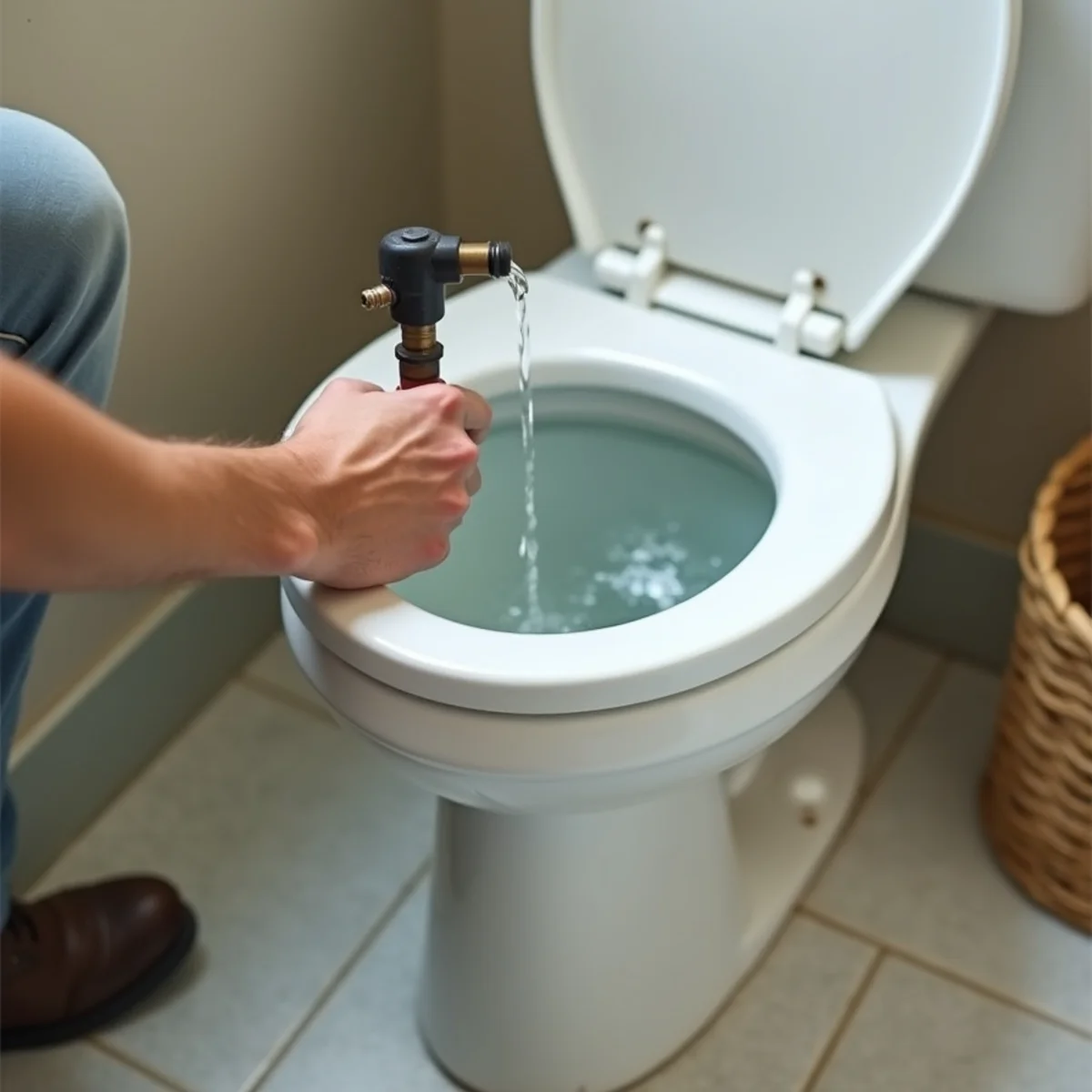
Category 2 is gray water, which carries meaningful contamination. It comes from sources like a washing machine or dishwasher discharge, a toilet overflow with no solids, or a sump pump failure. It contains bacteria and chemicals that can make you sick.
Gray water changes the salvage math. Porous materials that soaked it up, like carpet pad, usually have to be removed rather than dried, because you cannot reliably sanitize contamination out of them. Hard surfaces are cleaned and disinfected.
It also demands more care during cleanup, including proper protective equipment and antimicrobial treatment. This is where our flood cleanup process shifts from drying to removal and disinfection. The hard surfaces that stay, like tile, sealed concrete, and framing, are cleaned and disinfected rather than simply dried, because contamination sits on them even after the water is gone.
Category 3: Black Water
Category 3 is black water, the most dangerous class. It includes sewage backups, water from outside flooding, and any water that has sat long enough to grow serious bacteria. It carries pathogens that cause real illness.
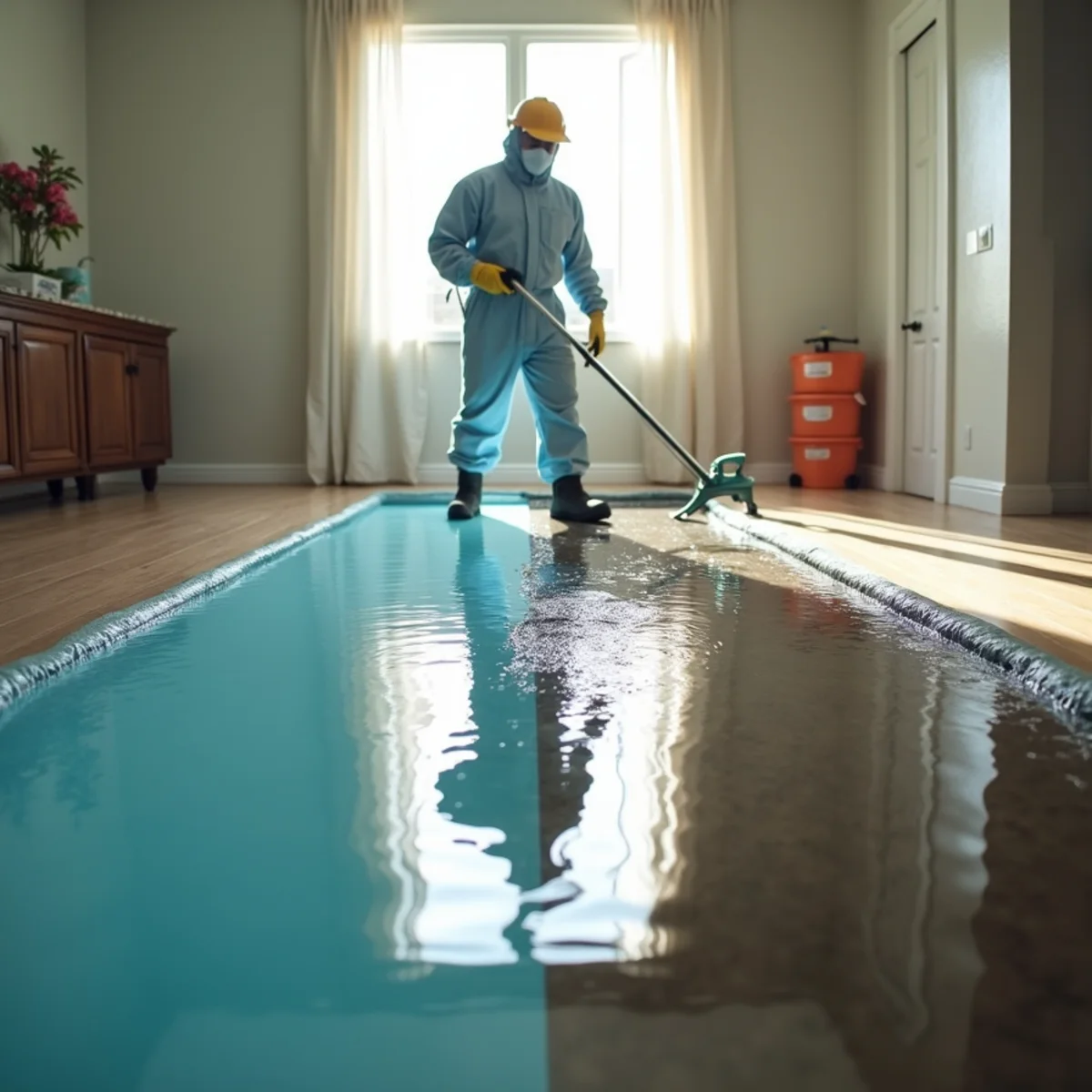
A Category 3 loss requires full containment, removal of all contaminated porous materials, HEPA air filtration, and thorough disinfection with EPA-registered products. There is no drying-in-place of contaminated porous material here. It comes out.
This is not a job to handle without training and equipment. The health risk is the reason we treat outside floodwater and sewage the way we do, and why we advise keeping people and pets away until a certified crew arrives. Containment is part of the answer here. Sealing the affected area and filtering the air keeps contamination from spreading to clean parts of the home while the work is done.
Categories Can Change Over Time
A category is not permanent. Water degrades, and a loss that started clean can become gray or black if it sits or mixes with contaminants. Time and conditions push it in the wrong direction. The reverse almost never happens on its own. Contaminated water does not become clean by sitting, so the safe assumption always runs toward the higher category, not the lower one. When we are unsure, we treat the water as the more dangerous class until testing or the source proves otherwise.
This is why the same leak gets a different response depending on when it is addressed. We see it across Rocklin and neighboring Roseville: a clean supply-line leak that would have been a simple dry-out becomes a removal job because it sat for two days first.
- Clean water left sitting for 48 hours or more can degrade to gray
- Water that reaches soil, sewage, or outside contaminants becomes black
- Warm temperatures speed bacterial growth and category escalation
- A leak through multiple building materials can pick up contaminants
- The faster the response, the more likely the category stays low
How the Category Shapes Your Bill and Your Claim
The category does more than guide the cleanup, it largely sets the cost. A Category 1 loss is mostly drying, which is the least expensive path. Category 2 adds removing and disposing of porous material plus disinfection. Category 3 layers on containment, protective equipment, HEPA filtration, and EPA-registered disinfectants, which is why a sewage or floodwater loss costs more than a clean supply-line leak of the same size.
It matters for insurance too. Adjusters scope and price a claim around the documented category, so recording it correctly with photos and the source of the water protects your reimbursement. Understating a Category 3 loss to save money now tends to leave contamination behind that resurfaces as a mold claim later. We classify it on site and document it the way your carrier needs, so the scope covers the real work.
Know Your Category Before Work Begins
Classifying the water correctly is the foundation of a safe, cost-appropriate cleanup. It tells you what is salvageable, what is a hazard, and how the job has to be done. Guessing at it, in either direction, costs you.
Call (201) 277-9344 and we will identify the category on site, explain what it means for your home, and handle the cleanup the way that category requires.
Need help right now in Rocklin? Our line is open 24/7.
(201) 277-9344Frequently asked
The IICRC defines Category 1 as clean water from a sanitary source, Category 2 as gray water with contamination like a washing-machine or dishwasher discharge, and Category 3 as black water such as sewage or outside floodwater. The category determines what can be saved and how the cleanup is done.
Yes. A Category 1 clean-water loss can degrade to Category 2 or 3 if it sits for a day or more, mixes with contaminants, or passes through contaminated materials. That is why even a clean-water leak is an urgent call. Reach us at (201) 277-9344.
It decides which materials are saved and which must be removed, how much containment and protective equipment is needed, and how the area is disinfected. A wrong classification means either wasted money or a hidden health hazard, so we identify it before any work begins.
Yes. Category 1 is the least expensive because it is mostly drying, while Category 2 adds material removal and disinfection, and Category 3 adds containment, protective gear, HEPA filtration, and hospital-grade disinfectants on top. A sewage or floodwater loss will cost more than a clean-water leak of the same size for that reason. Call (201) 277-9344 for an assessment of your specific loss.
We look at the source of the water, how long it has been sitting, and what materials it has passed through. A broken supply line starts as Category 1, a washing-machine overflow as Category 2, and sewage or outside floodwater as Category 3. When the source is unclear or the water has sat, we treat it as the higher, safer category until we can prove otherwise.
Related help from our team
Restoration Rocklin CA
IICRC-Certified Water Damage Restoration Team
We're a locally based, IICRC-certified water damage restoration team serving Rocklin and Placer County 24/7. Questions about your situation? Call (201) 277-9344.